
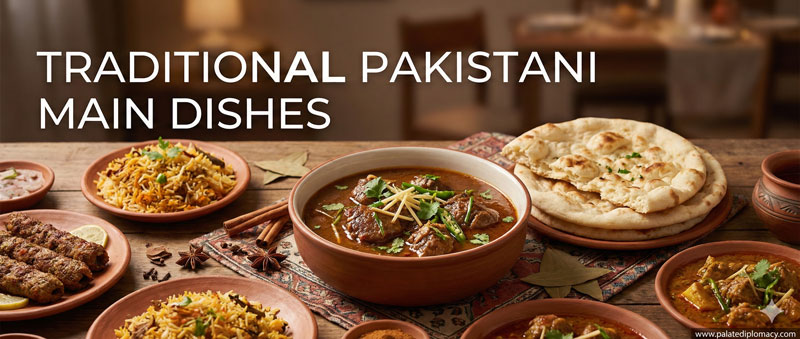
What is Paya?
Paya is a slow-simmered dish built from tender trotters and rich stock. It rests on the glow of long cooking, where bones and cartilage release gelatin that gives the Soup A silky, luxurious texture. Aromatic spices—ginger, garlic, pepper, cinnamon, cloves, and sometimes cardamom—enrich the broth. The result is a warming, pale-gold gravy that coats each bite with depth. Paya is celebrated for its ability to transform simple ingredients into a dish of character and comfort. It is often enjoyed as a morning treat or a late-evening meal, inviting the eater to slow down and savor.
A Cultural Table: Gathering, Hospitality, and Shared Moments
Paya shines in company. Families gather around the pot, sharing a moment as the aroma fills the kitchen. The dish invites conversation and eye contact, because each person waits for that first spoonful of broth and tender meat. Serving it hot, with fresh bread or steamed rice, becomes a small ceremony. The aroma travels from the kitchen to the dining room, signaling a meal that is about care, warmth, and hospitality. In many homes, a pot of paya is a signal of welcome to guests and a Favorite way to celebrate everyday life.
The Culinary Significance: Technique, Texture, and Flavor
The culinary magic of paya lies in technique. Slow simmering breaks down connective tissue and bones, yielding a broth that is both clear and deeply flavored. Gelatin from joints gives a gentle, melt-in-the-mouth feel around the meat. Spices are layered—first to perfume the broth, then to balance richness. The finish often includes a squeeze of lemon or a handful of chopped herbs to lift the aroma. This careful balance of technique and seasonings makes paya a dish that rewards patience with a memorable, comforting taste.
Regional Variations: A Mosaic of Flavors
Across regions, cooks offer variations that stay true to the core concept while reflecting local palates. Some kitchens favor a lighter gravy with a bright edge from zests or fresh herbs. Others embrace a thicker, more velvety sauce that clings to bread and rice. The choice of meat can vary, but the tenderness and the unhurried cooking process remain central. In every version, the dish centers on slow, attentive preparation and a clear respect for natural flavors.
The Ritual of Preparation: Patience, Care, and Daily Rhythm
Paya often begins early, with careful cleaning and preparation. The pot stays on low heat for hours, and the kitchen fills with a calm, inviting scent. As the stock thickens, cooks adjust heat, skim impurities, and test texture. The ritual teaches patience and attention to detail. This slow method makes paya more than a meal; it becomes a practiced pleasure of cooking that families carry from one generation to the next.
Serving Traditions: Presentation, Accompaniments, and Fresh Finish
Serve paya hot, with accompaniments that complement its richness. Fresh lemon wedges brighten the palate, while chopped onions and cilantro add crisp contrast. Bread, naan, or plain rice are common vessels for scooping up the flavorful gravy. A small dish of chili or pepper sauce may offer a gentle heat for those who seek it. The presentation emphasizes warmth and hospitality, inviting diners to enjoy the harmony of aroma, texture, and taste.
Why People Love Paya: Top Reasons
- Comfort and warmth: a soothing, nourishing bowl that feels Like a hug on a plate.
- Deep, layered flavor: a careful balance of meat, stock, and spices that reveals itself with each spoonful.
- Tender texture: gelatinous, melt-in-the-mouth meat paired with a silky broth.
- Shared experience: the dish invites conversation, laughter, and connection at the table.
- Aromatic allure: the kitchen fills with spices that evoke welcome and care.
- Culinary craftsmanship: the long, attentive process honors traditional cooking skills.
- Versatility of pairing: bread, rice, and fresh accompaniments adapt to many meals.
- Everyday celebration: paya elevates ordinary days into moments of savor.
A Living Tradition in Modern Kitchens
Today, many cooks honor paya by respecting its roots while exploring new flavors. Some experiment with spice blends, while others keep the recipe faithful to its classic balance. The core idea remains: a slow, honest simmer that yields warmth, texture, and aroma. This balanced approach makes paya accessible to home cooks and celebrated on restaurant menus alike. The dish continues to travel through kitchens, inviting everyone to discover its comforting beauty.
Conclusion: Embracing the Beauty of Paya
Paya stands as a testament to patience, craft, and cultural taste. It celebrates the kitchen as a place of care, where simple ingredients become memorable meals. By focusing on texture, aroma, and shared moments, paya earns its place as a beloved dish in many food cultures. In every pot, there is a story of family, time, and the joy of good food shared with others. If you seek a meal that offers warmth, depth, and a sense of belonging, paya welcomes you to its enduring flavor.