
A Complete Guide to Enjoying Fusion Injera Dishes Like a Local
Injera serves as more than food. It is a vibrant thread in the tapestry of shared meals. When chefs blend injera with flavors from other traditions, the result is a celebration of versatility, texture, and harmony. This guide celebrates the cultural value and culinary significance of fusion injera, and it shows you how to savor the dish with the curiosity and respect of a Local.
What injera is and why it shines
Injera is a large, spongy flatbread made from teff and other grains. It ferments softly, developing a tangy aroma and a tender, airy crumb. The bread acts as both plate and utensil at once. You tear a piece, scoop a bite, and let the sour-smooth contrast mingle with spices and herbs. This combination creates balance: brightness from fermentation, warmth from spices, and texture from the porous surface. When fusion elements join injera, the dish gains depth and a sense of place. The result is a meal that feels both familiar and exciting.
Fusion injera: a tapestry of flavors
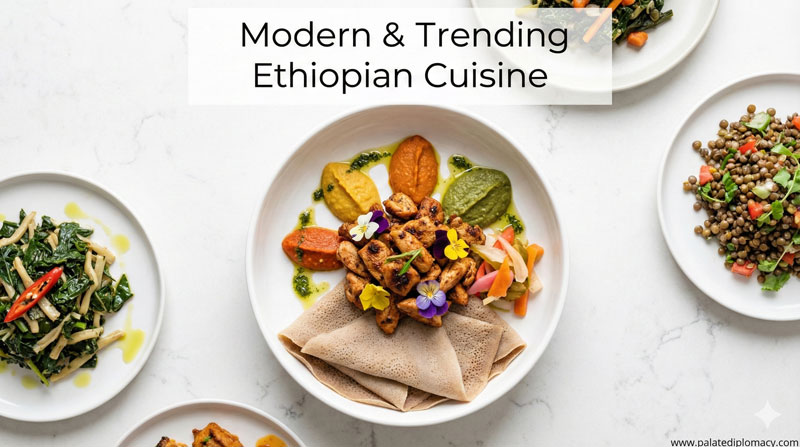
Fusion injera blends the familiar with the new. Think of the soft bite of injera meeting herbs, lentils, or vegetables seasoned with spices drawn from different cuisines. Chefs often layer sweet, savory, and citrus notes to complement the tangy bread. The approach emphasizes balance: heat from peppers, earthiness from legumes, and brightness from citrus or herbs. In these dishes, injera serves as the anchor, while the toppings weave a story of culinary curiosity. This creates a dining experience that honors tradition while inviting exploration.
How to enjoy a serving like a local
First, observe the dish and inhale its aroma. Next, notice how the textures interact—spongy bread with a crumbly bite from the toppings. Then, tear a portion of injera and scoop a balanced bite. Finally, savor slowly. Move from mild flavors to bolder ones, allowing the sour notes of the bread to cleanse the palate between bites. This rhythm mirrors a respectful tasting approach that many local diners appreciate, especially when flavors unfold across multiple components.
Etiquette, sharing, and the social rhythm
Sharing is central to the experience. Plates arrive on a central platter, and everyone participates in portions for the table. You may dip and scoop with your piece of injera, then pass the plate along with a smile. A quick nod or a note of thanks to the cook or host honors the care behind the dish. This communal rhythm makes the meal feel warm and inclusive. And as you finish, a moment of gratitude for the ingredients and preparation adds a thoughtful close.
Flavor notes to notice in fusion injera
Pay attention to how sourness from the fermentation interacts with the topping’s spices. You might detect citrus brightness that lifts heavier elements, or a herbal lift that adds freshness. Look for layers of sweetness, warmth, and savory depth. The texture of injera—airy and porous—acts as a quiet counterpoint to the bold flavors above. Together, these notes create a balanced, inviting profile that rewards careful tasting.
Pairings that enhance the experience
Pair fusion injera with beverages and sides that echo or elevate its flavors. A bright tea or a light, sparkling drink can refresh the palate between bites. A traditional or mild honeyed beverage can echo the dish’s warmth. If available, a small glass of a gentle, aromatic option can complement the herbs without overpowering the spices. Desserts or fresh fruit offered afterward can provide a clean, sweet counterpoint. The goal is harmony, not overwhelm.
Bringing the experience home: tips and tricks
If you cook at home or want to recreate the vibe, start with quality injera from a trusted source. Warm it gently before serving to revive its aroma and pliability. Use toppings with clear, bright flavors so they stand up against the bread’s tang. Plate components in a way that invites tear-and-scoop assembly. Finally, take a moment to breathe in the aroma and savor the first bite slowly. The home setting can mirror the care of a local dining room when you pace the meal and focus on balance.
Where to explore fusion injera
Look for restaurants or markets that highlight creative blends alongside traditional varieties. Seek menus that explain the components and invite tasting notes. Prefer places that emphasize fresh ingredients, thoughtful spice balance, and clear respect for the bread’s role. When you dine, notice how the chef integrates textures and highs and lows of flavor, then let the experience guide your next visit.
A closing note on appreciation
Fusion injera celebrates curiosity, craftsmanship, and community around a single, remarkable bread. By exploring its cultural value and culinary significance, you gain more than taste—you gain a way to connect with a thoughtful cooking tradition. Enjoy with an open palate, a patient mind, and gratitude for the hands that made it.