
Why Travelers Are Falling in Love with Curry Goat
Travelers discover curry goat through a warm, inviting aroma that floods a kitchen or a bustling market. The dish speaks with clear, confident flavors that tell a story in every bite. You feel the heart of a place in the way the sauce clings to rice or bread, and you sense hospitality in the generous bowls offered to share with friends and strangers alike. In short, curry goat welcomes you with nourishment, balance, and a touch of sunshine on the tongue.
A Cultural Feast: The Role of Curry Goat in Home Cooking
Curry goat is more than a meal; it is a gathering. In many homes, a pot of curry goat sits at the center of the table during meals that stretch into conversation and laughter. The act of cooking becomes a ritual of care, a way to welcome visitors and family. The simmering pot invites slow, relaxed moments where stories mingle with aromas. This dish often marks everyday life as something worth pausing for, a reminder that food can unite people around shared flavor and hospitality.
The Flavor Craft: Ingredients and Techniques
Goat meat provides a lean, robust bite that holds up to bold spices. A core step is browning the meat to develop a deep, savory foundation. Next, an aromatics parade begins: onions, garlic, and ginger join the oil as spices bloom. A curry blend—whether a powder or a carefully prepared mix—opens with warmth, followed by allspice, thyme, and a pepper kin that adds gentle heat. The sauce thickens as stock or water mingles with the richness from the meat. Coconut Milk often finds its way into the pot, adding a soft creaminess that balances heat and bright acidity from herbs and lime. The result is a sauce that coats grains and bread with depth, yet remains bright enough to feel fresh on the palate.
Regional Inspirations: Jamaica, Trinidad and Beyond
In Jamaica, curry goat is a signature Comfort Dish, famous for a robust sauce that carries the island’s pantry staples—thyme, scallions, and hot peppers—without losing the curry’s gentle sweetness. In Trinidad and Tobago, cooks weave a harmony of spices and a bolder pepper note, resulting in a lively, energetic sauce that pairs beautifully with roti, dumplings, or rice. Across other Caribbean kitchens, you’ll find similar techniques adapted to local ingredients, from sweet potatoes to plantains. Indian culinary influences also surface in technique and spice rhythms, showing how a single dish can braid multiple culinary lines into a cohesive whole. Each region adds its own personality, yet all keep the same core idea: goat meat transformed by spice, patience, and heat into a comforting, memorable dish.
A Traveler’s Experience: Savoring in Markets and Restaurants
For the traveler, the first encounter often comes through scent. A street stall or family kitchen releases a flavorful steam that carries warmth and curiosity. The color of the sauce—amber to deep gold—promises richness. Served with fluffy rice or a soft roti, curry goat becomes a meal that travels well from pot to plate to memory. Eating it in a market or a cozy restaurant invites a direct link to place and people: the way the cook tastes and seasons, the rhythm of the ladle, the smile shared over a satisfying bite. This is cuisine that travels through sensory memory—aroma, texture, heat, and the comfort of a well-made gravy.
Serving Traditions and Pairings
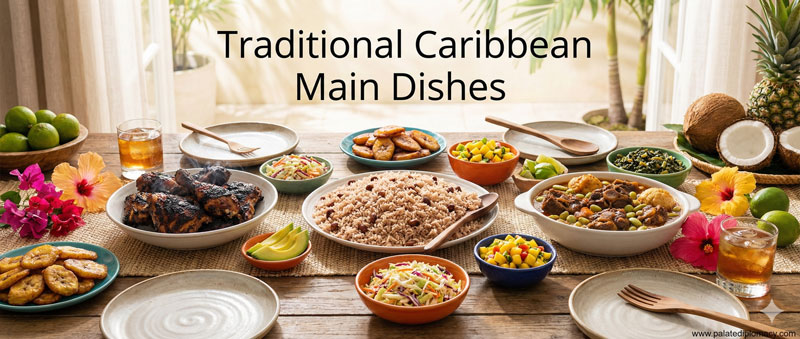
Rice is a faithful companion, soaking up the sauce and balancing the spice with a gentle starch. Roti or fried dumplings offer a sturdy, bread-like vehicle for scooping and savoring. Side dishes may include fried plantains, pickled vegetables, or a bright lime wedge to brighten the plate. A light salad or simple vegetables can provide a fresh contrast to the deep, rich curry. The serving style is practical and joyful: bowls ready for passing, spoons to share, and a sense of abundance that invites everyone to take a second helping.
The Slow Simmer: Texture, Tenderness, and Depth
The heart of curry goat lies in time. A steady simmer breaks down the meat’s connective tissue, yielding a tender, succulent bite. The sauce thickens slowly, building flavor as spices release their essential oils. Gentle stirring prevents sticking, while occasional taste adjustments—salt, heat, and acidity—keep the balance right. If a cook prefers, a short rest after simmering helps the flavors harmonize, so each mouthful carries even more depth. This patience is part of the dish’s allure: a promise of comfort earned through careful cooking.
Celebrations and Everyday Moments
Curry goat shines in both celebrations and everyday meals. On special days, it becomes the centerpiece of a feast that brings people together around a generous pot. On ordinary evenings, it offers a quick path to warmth after a busy day, transforming simple ingredients into something memorable. In markets and home kitchens alike, the dish carries a sense of welcome and shared joy, inviting guests to slow down, savor, and smile.
The Global Stage: Why It Resonates with Kitchens Worldwide
Today’s kitchens welcome curry goat with enthusiasm because it is versatile and dependable. The dish adapts to different pantry staples and heat preferences without losing its core character. It works with various starches, from rice to bread to dumplings, and it thrives with tweaks in spice and sweetness to suit local tastes. For travelers, curry goat becomes a comforting ambassador of flavor, a reminder that good cooking can be both deeply rooted and openly welcoming. In every bite, you taste warmth, skill, and the beauty of a dish that honors ingredients, technique, and generous hospitality.