
Introduction
Curry goat is more than a dish; it is a celebration of warmth, spice, and shared meals. In many kitchens, the scent of simmering curry fills the air and invites people to gather. This guide invites you to experience curry goat Like a local—slow, attentive, and full of heart. You’ll discover how the flavors, textures, and rhythms of cooking come together to create a dish that is both comforting and memorable.
The Cultural Heart of Curry Goat
Curry goat sits at the center of social meals and weekend gatherings. It carries a sense of welcome and belonging. The meat’s richness pairs with bright spices to create a dish that feels celebratory yet familiar. Every bite tells a story of patience, care, and a love for good food shared around a table. The dish thrives where rice, bread, and fresh greens meet bold seasoning and steady heat. In this way, curry goat becomes a gateway to a lively Food Culture that honors tradition while inviting personal interpretation.
Essential Ingredients and Their Story
The key components come together with purpose:
- Goat meat: chosen for its depth and resilience in long, gentle cooking.
- Curry blend: a vibrant mix that brings warmth and brightness. The blend often includes turmeric for color, coriander and cumin for complexity, and a touch of heat.
- Aromatics: onions, garlic, and fresh herbs like thyme deepen the sauce.
- Heat and brightness: scotch bonnet or a milder pepper can be used to taste, along with a splash of lime or vinegar for balance.
- Liquid: stock, coconut milk, or water creates a silky, enveloping sauce.
Together, these elements form a balance of savoriness, brightness, and aroma. The result is a curry that feels both rustic and refined—perfect for long simmering and careful tasting.
Crafting the Texture: Techniques
To bring out the best in curry goat, several techniques matter:
- Marinade and sear: a brief marination helps the meat absorb flavors, while a quick sear adds color and depth.
- Slow simmer: gentle, sustained heat breaks down connective tissue and yields tender meat that flakes easily.
- Sauce development: allowing the spices to bloom in fat before mixing with liquid intensifies aroma. A few minutes of stirring ensures the sauce is cohesive.
- Balancing moisture: adjust liquid so the sauce clings to the meat without becoming thin or heavy.
- Finishing touches: a squeeze of lime and fresh herbs lift the dish just before serving.
These moves create a texture that feels comforting and indulgent at the same time. The dish rewards patience and careful tasting.
The Senses: Aroma, Color, and Comfort
As the pot bubbles, aromas rise in waves. You’ll notice warm, toasty scents from roasted spices, a citrus brightness from lime, and the herbal zing of thyme. The color—deep amber to golden—signals a sauce that has depth and sweetness. In the mouth, the meat should be tender yet sturdy, with the sauce coating each bite. The overall experience is one of warmth and satisfaction, perfect for making guests feel at Home.
How to Serve: Accompaniments and Etiquette
Curry goat shines when paired with the right sides. Common companions include:
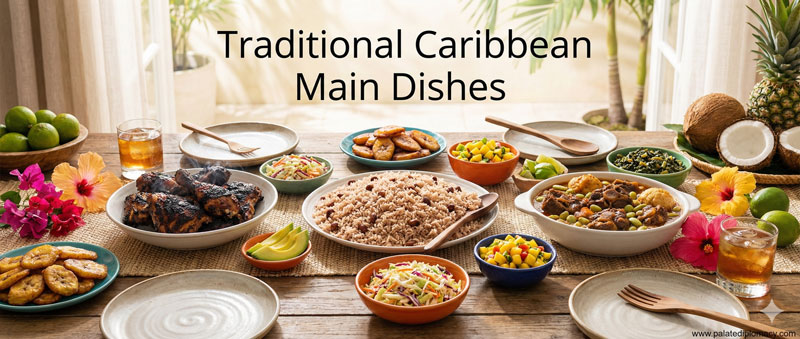
- Rice and peas or plain steamed rice
- Roti or soft flatbread to scoop up sauce
- Fried dumplings or plantains for texture contrast
- Fresh greens or a bright chutney to balance richness
A generous ladle of curry over a bed of rice creates a satisfying plate. When sharing at a table, let everyone take what they need, and keep the conversation light and inviting. A clean, simple presentation often celebrates the dish best.
Regional Variations Across the Caribbean
Different places put their own stamp on curry goat:
- Jamaica: a vibrant, medium-to-strong heat with a slightly sweeter, tomato-forward sauce.
- Trinidad and Tobago: a bold spice profile with crisp aromatics and a robust finish.
- Guyana and Barbados: balanced seasonings, sometimes with coconut notes or a lighter touch of heat.
- Common threads: a slow-cooked goat, a fragrant curry base, and a side of comforting starch. Each region honors technique and the joy of sharing a hearty meal.
Exploring these variations is a delicious way to see how culture and cooking converge in a single dish.
Pairings and Enjoyable Sips
To complement curry goat, consider:
- Non-alcoholic: ginger beer, tamarind drink, or a lime-friendly agua fresca.
- Light wines or ales: look for medium-bodied options that won’t overwhelm the spice.
- Fresh fruit and lime: a bright finish that cleanses the palate.
Choosing a drink that brightens the heat helps balance the richness of the sauce and the savor of the meat.
Tips for Home Cooking
If you’re cooking curry goat at home, keep these practical tips in mind:
- Use fresh aromatics and well-chosen spices for a vibrant sauce.
- Let the meat rest briefly after cooking to redistribute juices.
- Taste as you go and adjust salt, heat, and brightness gradually.
- Use a wide pot to encourage even browning and sauce reduction.
- Don’t rush the simmer; patience makes the meat tender and the sauce lush.
These small steps transform a simple pot into a comforting, restaurant-worthy meal.
A Respectful Celebration of Craft
Curry goat invites cooks and diners to slow down and savor. It celebrates the skill of balancing heat, aroma, and texture. By focusing on technique, freshness, and shared meals, you honor the craft behind the dish. The result is a dish that feels both special and everyday, ready to bring people together with warmth and delight.
Conclusion
Curry goat stands as a testament to culinary craft and the joy of communal eating. With careful technique, thoughtful ingredients, and a welcoming table, you capture the essence of a local favorite. Let the scent and flavor guide you to a moment of connection, good conversation, and memorable taste. This is more than a meal; it is a celebration of culture, flavor, and the simple pleasure of enjoying great food with others.