
What is Oxtail Stew?
Oxtail Stew is a slow braise built from pieces of the cow’s tail. Each cut holds meat, fat, and bone, all cooking together to unlock deep flavor. As the stew simmers, the marrow and connective tissue melt into a velvety sauce. The result is a comforting, richly textured dish that nourishes both body and spirit.
The Art of Braising: Why It Shines
Braising combines gentle heat with plenty of liquid. Searing the oxtail adds color and a roasted note. Then a long, steady simmer breaks down tough fibers and releases gelatin. The sauce thickens naturally, coating every bite with a glossy, mouthfilling glaze. This technique turns a sturdy cut into a dish that tastes both luxurious and homey.
Global Inspirations: Caribbean, African, and More
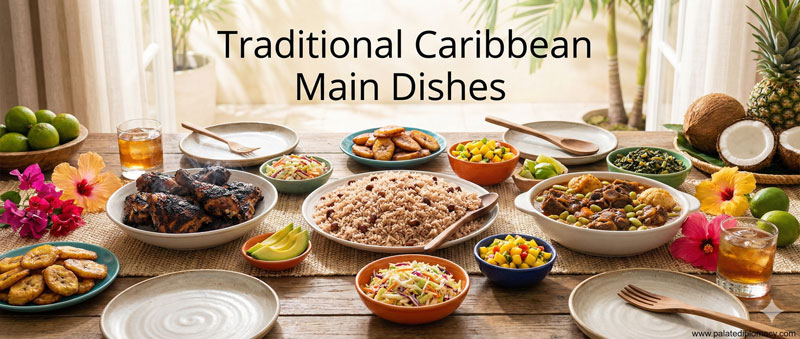
Caribbean oxtail stew often features warm spices like allspice and thyme, with a touch of heat from peppers. The result is a bright, aromatic base served over rice or with dumplings. In West Africa, oxtail is paired with peppers, tomatoes, and onions, yielding a robust, peppery depth that invites hands-on sharing. Filipino oxtail traditions showcase a peanut or peanut-tomato sauce in dishes like kare-kare, adding nuttiness and balance to the meaty richness. Across these traditions, the common thread is time: slow cooking brings complexity, while communal sharing keeps the dish alive in every kitchen.
Flavor Builders and Techniques
Key flavors emerge from browning the meat, then building a cabinet of aromatics. Onions, garlic, and celery form a fragrant base, often joined by carrots and tomato—each addition deepening the sauce. Spices and herbs like thyme, bay leaves, and peppercorns layer in warmth. A splash of stock or wine enriches the liquid, while a touch of acid near the end brightens the palate. The result is a sauce with depth, a gentle sweetness, and a hint of savory umami from the oxtail marrow.
Serving Traditions and Pairings
Oxtail stew shines when paired with starchy accents. White rice, seasoned beans, or dumplings balance the richness. In some regions, mashed potatoes or creamy polenta offer a comforting counterpoint. A crisp pickle or lime wedge adds a bright finish. The beauty is in personalization: a family table can tailor spices and accompaniments to suit tastes and seasonal ingredients.
The Cultural Value: Comfort, Craft, and Connection
This dish embodies patience and craft. It invites cooks to plan ahead, layering flavors step by step. The aroma fills the kitchen, signaling a gathering or a quiet moment of appreciation. Oxtail stew often anchors family meals and seasonal gatherings, turning simple ingredients into a shared experience. Its versatility and tenderness celebrate the artistry of slow cooking and the delight of a well-balanced, generous dish.
Practical Tips for Home Cooks
- Choose oxtail pieces with good meat and some marrow for richness.
- Brown the pieces in batches to develop color and flavor.
- Use a heavy pot, Like a dutch oven, for even heat and depth.
- Deglaze the pan to lift fond from the bottom; this adds complexity.
- Keep a gentle simmer; long, low heat breaks down collagen beautifully.
- Defat after chilling if a clearer sauce is preferred.
- Add acidic brightness near the end to lift the flavors.
- Taste and adjust salt gradually; the marrow can contribute saltiness.
A Timeless Dish for Any Table
Oxtail stew blends technique, texture, and tradition into one generous bowl. It honors cooks who take the time to build flavor and households that treasure meals shared together. Whether you follow a Caribbean spice note, a West African pepper profile, or a simple, classic braise, the dish offers a warm welcome and a memorable, nourishing experience.
Closing Thought: Embracing Flavor and Craft
In every simmer, oxtail stew reveals how patience meets palate. It is more than a meal; it is a celebration of texture, aroma, and the simple joy of good food prepared with care. As you savor the final spoonful, you taste a story of skill, warmth, and the enduring beauty of slow cooking.