
Introduction: Why Curry Goat Captures the Caribbean Spirit
Curry goat is a warm, inviting dish that many Caribbean kitchens return to with joy. It blends bright spices, tender meat, and a comforting sauce that clings to each grain of rice. The dish invites conversation, shared bowls, and a rhythm of cooking that feels deeply rooted in daily life. When a pot of curry goat simmers, the scent travels through homes, markets, and gatherings. It tells a story of flavor, hospitality, and everyday celebration. This is a dish that clashes with nothing but complements every table it touches.
The Heart of the Dish: Ingredients and Method
At the core, curry goat blends hearty meat with a vibrant spice blend. Goat meat is marinated or seasoned to absorb flavor, then browned to add depth. A curry powder or paste carries turmeric, coriander, cumin, and fenugreek, creating a bright, aromatic base. Add onion, garlic, fresh ginger, thyme, and pimento (allspice) for warmth. A touch of Scotch bonnet pepper brings a clean, fiery brightness, balanced by salt and sometimes Coconut Milk for creaminess. The dish slow-simmers until the meat becomes tender and the sauce thickens into a glossy glaze. Each step builds toward a comforting, well-rounded result.
A Symphony of Flavors: Cooking Techniques
Curry goat shines when heat and patience work together. Searing the meat first locks in juices and develops a rich crust. The aromatics bloom as they cook, releasing sweetness and peppery heat. The curry is added gradually, allowing its oils to wake the spices. A gentle simmer, not a hard boil, makes the meat melt-in-your-mouth tender while the sauce thickens. Acidity from lime or a splash of vinegar can brighten the finish. The cooking ritual—taste, adjust, taste again—creates a balance that highlights spice without overwhelming the meat. The result is a sauce that clings to every bite.
Cultural Significance: Family and Community at the Table
Curry goat often arrives at the table as a centerpiece for family meals and friendly gatherings. It serves as a bridge between cooks of different ages, inviting stories and shared tips. When the pot is passed from stove to table, it signals hospitality and care. The dish becomes a common language for celebration, from weeknight dinners to special occasions. In many homes, cooking curry goat is a way to express gratitude and to welcome others to join in the feast. The aroma itself invites conversation and strengthens bonds around the meal.
Regional Variations Across the Caribbean
Caribbean kitchens tailor curry goat to reflect local tastes. In Jamaica, the blend tends to lean into bold, bright spice and a slightly thicker sauce. In Trinidad, a lighter, pepper-forward profile can appear, with brisk flavors that echo fresh peppers. Barbados might bring a hint of sweetness and a touch of coconut milk for creaminess. Antigua and Grenada offer their own spice notes, often echoing garden herbs and unique pepper varieties. Despite differences, the unifying thread is a shared love of tender meat, vibrant sauce, and the joy of serving a dish that brings people together.
Special Occasions and Everyday Joy
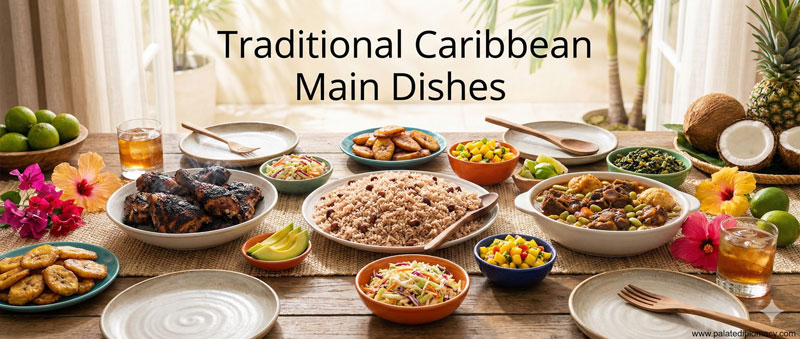
Curry goat moves easily from everyday meals to festive tables. It appears at family cookouts, Sunday dinners, and celebratory feasts. The dish’s versatility allows cooks to adjust heat, richness, and sides to suit the moment. It pairs with simple staples like rice and peas, fried plantains, or roti, creating a balanced plate that feels both hearty and joyful. The preparation itself becomes a small ceremony—checking spices, stirring the pot, tasting, and sharing. This practice reinforces a sense of place and welcome in every kitchen that cooks it.
Pairings and Serving Traditions
The best accompaniments elevate curry goat without overpowering it. Rice and peas, with coconut milk and herbs, lets the sauce shine. Roti or뚜 flatbreads carry the sauce in every bite, turning a meal into a handheld pleasure. Dumplings, fried plantains, or roasted breadfruit add texture and sweetness. A squeeze of lime brightens the finish, while a fresh herb chutney or pineapple relish can provide a contrasting spark. Serving the dish with a cool drink or a light, fruity soda makes the overall experience refreshing and complete.
Modern Twists, Respectful Traditions
Chefs and home cooks alike explore modern twists while honoring the dish’s core. Some use a pressure cooker to shorten the simmer time, preserving tenderness without sacrificing flavor. Others experiment with coconut milk or nut-based creams for added richness. Yet the heart remains: a slow, thoughtful approach that lets spices bloom and meat soften. These adaptations keep curry goat relevant for new generations while preserving the essence that has long Made It beloved.
The Last Word: Why It Endures
Curry goat endures because it nurtures the senses and the community. Its aroma welcomes you, its texture satisfies you, and its flavors tell a story of regional pride and shared meals. It is a dish that travels well from kitchen to table, adapting to tastes while maintaining its core warmth and character. When people gather around a pot of curry goat, they share not just food but a sense of belonging. That is the enduring magic of this cherished Caribbean classic.