
Introduction
Oxtail Stew is a cherished dish in Caribbean kitchens, a warm bowl that invites conversation and comfort. The meat’s succulent texture meets a rich, fragrant gravy, born from slow, careful cooking. This post highlights the cultural value and culinary significance of Oxtail Stew, a Caribbean food favorite. It celebrates the craft of braising, the artistry of spice blending, and the joy of meals shared with family and friends. The focus is on flavor, technique, and the stories that surround every pot. Expect a respectful, inviting tone that honors culinary roots and kitchen creativity.
A Culinary Beacon in Caribbean Kitchens
In many homes, the oxtail pot sits at the center of a weekend table or a festive gathering. The dish travels from pot to plate with a scent that signals welcome and care. Families pass down tips on browning meat, balancing heat, and layering flavors. The stew often marks a moment of togetherness: a grandmother’s method, a parent’s adjustment, a younger cook’s improvisation. The result is more than sustenance; it is a ritual that emphasizes patience, generosity, and the pleasure of sharing a generous portion. In markets and street stalls, the aroma reminds passersby of hospitality and the joy of a comforting meal after a busy day. The oxtail pot is a symbol of hospitality, skill, and the beauty of slow cooking.
The Core: Oxtail, Spice, and Slow Cooked Tenderness
The backbone of this dish is simple, yet deeply flavorful. Oxtail pieces, marbled with bone, provide rich, gelatinous texture when braised. Aromatics—onion, garlic, and carrot—form a savory base. Fresh herbs, such as thyme and scallions, lift the gravy with bright, herbal notes. Pimento berries (allspice) and a modest heat from a pepper like Scotch bonnet or jalapeño introduce warmth without overpowering the meat. Tomatoes or tomato paste add a touch of acidity and depth, while stock or water provides the braising liquid. Some cooks finish with a splash of Coconut Milk for creaminess; others prefer a leaner finish. The key technique is slow simmering: browning the meat first to develop color, then layering aromatics and spices before letting the pot grow tender over time. This method extracts flavor from bone and connective tissue, creating a gravy that coats each strand of meat smoothly. A touch of salt and pepper, added at the right moments, ties the whole dish together.
Flavor Philosophy: A Balanced Harmony
Oxtail Stew offers a balanced symphony of flavors. The meat contributes a deep, earthy richness that forms the foundation. Spice and herbs add brightness and warmth, preventing the dish from feeling heavy. The browning step introduces nutty, caramelized notes, enriching the gravy’s color and depth. A gentle acidity from tomatoes or citrus zest brightens the profile, while the slow braise softens fibers for a tender bite. The texture plays a crucial role: meat that falls from the bone alongside a thick, glossy sauce invites slow, mindful eating. The result is a dish that feels both hearty and refined, capable of comforting a weary palate or elevating a celebratory meal. In short, the beauty lies in balance—meat, spice, and patience working in harmony.
Regional Twists Across the Caribbean
Across the Caribbean, cooks adapt Oxtail Stew to local tastes and ingredients, creating a tapestry of regional accents. In Jamaica, thyme and allspice are common companions, with a careful heat level that lingers on the tongue. The gravy tends to be robust and aromatic, often served with a side of rice and peas. In Barbados and Antigua, cooks may introduce a touch of coconut milk or a fruitier sweetness, yielding a creamier, mellower finish that still carries spice. In Trinidad and Tobago, a bolder pepper presence can shine through, sometimes with extra herbs for depth and a brighter aftertaste. In Guyana and other nearby islands, root vegetables and a deeper color from darker stocks can appear, enriching the dish’s body. These twists reflect regional pantry choices and the joy of personalizing a timeless recipe, while keeping the core method and Heart of the dish intact.
Serving Traditions and Pairings
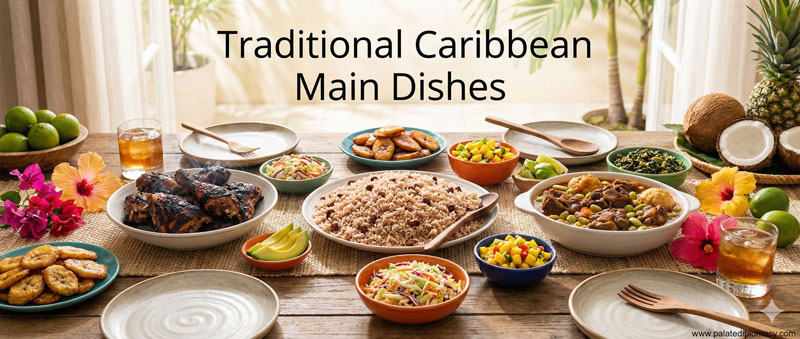
Oxtail Stew is most often enjoyed as a centerpiece, paired with comforting starches and greens. White rice or rice and peas provide a gentle counterpoint to the rich gravy. Dumplings and fried plantains offer additional textures that suit the stew’s depth. Some cooks add ground provision like yam or cassava for extra heartiness. A bright squeeze of lime or a dab of hot pepper sauce on the side lets diners tailor the heat and acidity to taste. Fresh herbs or sliced scallions make a vivid garnish, while a simple side of callaloo or leafy greens can balance the meal. The plating is inviting: a generous spoonful of oxtail with gleaming gravy, a cloud of rice, and a colorful backdrop of vegetables. The result is a meal that feels generous, celebratory, and true to its Caribbean roots.
Quick Tips for Home Cooks
- Start with a good browning of the oxtail to develop color and flavor. Pat the pieces dry, season lightly, and sear in a hot pan.
- Build flavor with onions, garlic, and herbs before adding liquid. Sauté until fragrant, not pale.
- Use pimento berries and thyme for classic Caribbean notes; adjust heat with a pepper of choice.
- Braise slowly in stock or water. Plan for several hours; check the liquid level and stir gently to avoid sticking.
- Add tomatoes or tomato paste for acidity and depth; finish with a touch of salt and pepper to taste.
- If the gravy thickens too quickly, add a splash of broth or coconut milk and simmer more gently.
- Let the finished dish rest for a short while before serving to let flavors meld.
A Dish That Feels Like Home
Oxtail Stew stands as a testament to patience, craft, and communal joy. It invites cooks to take their time, to layer flavors, and to honor a method passed down through kitchens and neighborhoods. The dish’s cultural value comes from its role in gatherings, its ability to nourish with warmth, and its capacity to bring people together around a shared table. Its culinary significance rests in technique—browning, braising, seasoning, and balancing a sauce that carries the aroma of home. When served, the dish offers comfort, pride, and a sense of place that is distinctly Caribbean. In every bite, there is a story of craft, care, and the enduring appeal of a dish that celebrates flavor and friendship alike.