
Why Curry Goat Is One of the Caribbean’s Most Loved Dishes
Curry goat stands at the Heart of Caribbean cooking. It is a dish that welcomes friends and family to the table. The aroma alone invites conversation and smiles. In homes and in markets, this dish marks moments of togetherness. It is a reliable source of warmth and pride. Every simmering pot tells a story of care, technique, and shared flavor.
The Flavor Journey: Ingredients That Define It
The core is tender goat meat, cut into generous chunks. The meat soaks up spices with grace, becoming rich and Flavorful. A bright curry blend leads the way. This blend often blends turmeric, coriander, cumin, and fenugreek, with pimento (allspice) adding a fragrant kick. Garlic and onion give a savory foundation, while thyme lifts the palate with fresh, earthy notes.
Heat comes from peppers, usually a touch of scotch bonnet or another Caribbean pepper variety. The goal is balance: a lively warmth that never masks the meat’s sweetness. Coconut Milk or cream is common, adding a smooth, creamy body to the sauce. Tomato or tomato paste brightens the sauce with a gentle acidity. A squeeze of lime or a splash of vinegar can brighten the finish.
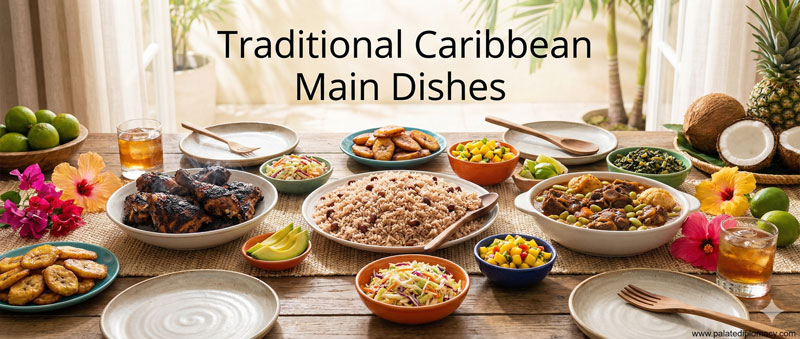
Rice, beans, roti, and fried plantains often accompany the dish. These sides soak up the curry and offer a comforting counterpoint. The result is a dish that feels both bold and welcome. Each bite carries layers of spice, aroma, and texture that linger pleasantly.
Techniques That Elevate the Dish
This curry shines when technique meets patience. Begin with a careful sear to color the meat. A good browning adds depth and caramel notes that deepen the sauce. Next, build the sauce with onions, garlic, and spices. Layering flavors early helps the curry sing later.
Simmer slowly. Low heat and long cooking times break down the meat while thickening the sauce. The curry should be glossy, with the meat tender enough to yield on the fork. If coconut milk is used, add it toward the end to preserve its creaminess. A touch of fresh herbs near the finish lifts the entire plate.
If time is tight, a pressure cooker or slow cooker can deliver tender meat in less time. The key is to maintain balance: enough liquid to prevent sticking, but not so much that the sauce becomes watery. Stir gently, and let the flavors marry as the dish rests briefly before serving.
Regional Variations and Personal Touches
Across the Caribbean, cooks adapt curry goat to their pantry and tastes. In Jamaica, the curry powder or paste often carries a bright, peppery punch with a notable allspice presence. In Barbados, creole touches sometimes emphasize coconut milk and softer heat, creating a milder, creamier curry. In Trinidad and Tobago, the mix can lean slightly hotter, with a bolder pepper note and a richer sauce. Grenada or Saint Lucia may feature a touch of nutmeg or fresh herbs that echo local markets. Yet the heart remains the same: goat meat crowned with a fragrant curry, simmered to tenderness, and served with comforting sides.
These variations celebrate local ingredients and personal preference. They show how a single dish can carry different personalities while keeping its essence intact. The result is a family favorite that travels well from kitchen to kitchen, always ready to be shared.
Cultural Value: A Dish For Gatherings and Celebration
Curry goat is a dish that helps mark gatherings. It appears on family tables after long weeks, during weekend feasts, and at festive events. Its preparation becomes a friendly ritual, often passing through generations. Children learn to smell the curry and identify the spices. Parents explain the steps, turning cooking into a moment of storytelling.
In many communities, curry goat is a showpiece at gatherings that celebrate achievement and unity. It is a dish that invites neighbors to share in a meal, strengthening bonds through flavor. The scent announces welcome, and the first spoonful confirms hospitality. This is a dish that travels from kitchen to table with dignity, carrying a sense of place and pride.
The dish also thrives in markets and street stalls. Vendors showcase the aroma and offer a quick, satisfying version for passersby. People stop, chat, and decide to try a plate. These moments create a shared rhythm of daily life, where food becomes a common language.
Pairings, Presentation, and Everyday Joy
Serve curry goat over rice and peas for a classic match. The beans and grains soak up the sauce, creating a satisfying balance. Roti or fried plantains provide a friendly crunch and a soft contrast to the creamy curry. A side of pickled vegetables or a bright lime wedge adds a refreshing note to finish.
The dish invites careful plating. A generous ladle of sauce over the meat, a neat bed of rice, and a few greens or herbs on top look inviting and celebratory. A dash of hot pepper sauce on the side lets each diner tailor the heat to taste. The result is a plate that looks as warm as it tastes.
A Few Practical Tips for Home Cooks
- Choose good goat meat with good marbling for flavor and tenderness.
- Marinate the meat briefly in spices and acid to begin flavor development.
- Brown the meat well to build depth in the sauce.
- Use coconut milk cautiously to keep the curry creamy without overpowering spice.
- Simmer patiently until the meat is tender and the sauce thickens.
- Taste and adjust salt, heat, and acidity before serving.
Conclusion: A Dish Worth Celebrating
Curry goat is more than a meal. It is a ritual of care, skill, and shared joy. Its flavors celebrate the bounty of the islands, and its aroma invites everyone to gather. Through its warmth, it honors tradition while inviting new cooks to carry the flavor forward. As a centerpiece on tables across the Caribbean, curry goat remains a beloved emblem of hospitality, flavor, and community. Embrace it, cook it, and share it—and let the table speak of the beauty of Caribbean cooking.