
Introduction
Curry goat is a celebrated dish across the Caribbean, a warm and inviting staple that rests at the heart of many kitchens. Its fragrant aroma fills rooms and courtyolds alike, signaling a shared moment of comfort and connection. People treasure the way the spices unfold, the tenderness of the meat, and the way a single pot can nourish a family and a community. This dish offers more than sustenance; it offers a sense of place, memory, and daily joy.
The Flavor Journey: From Spices to Sauce
Curry goat begins with a careful balance of bold spices. A bright curry powder or a home blend brings turmeric, coriander, cumin, and fenugreek to life, while aromatics like onion, garlic, and ginger build a warm foundation. Then comes the goat, chosen for its sturdy flavor and generous texture. When you brown the meat, you deepen the color and add a layer of richness. Afterward, onions sizzle in the pot, followed by peppers, thyme, and sometimes scallions. A splash of liquid—water, stock, or Coconut Milk—together with a touch of salt and heat from a pepper like scotch bonnet or its milder cousins, coaxes the meat into tenderness. Finally, simmering slowly allows the sauce to thicken, coat the meat, and perfume the kitchen with inviting steam. The result is a sauce that is savory, lightly spicy, and deeply comforting.
Regional Voices: How Each Island Shapes the Dish
Across the Caribbean, curry goat evolves with local tastes while preserving a shared soul. In some kitchens, coconut milk adds a velvety sweetness that brightens the spice, while in others, the base remains leaner to highlight the goat’s own character. Side by side, these variations form a tapestry of flavor.
- Jamaica often features a richly spiced sauce with pimento and allspice notes. The dish pairs beautifully with rice and peas, fried plantains, and a bright lime wedge to finish.
- Trinidad and Tobago favor a bold, colorful curry that can stand up to roti or rice. The cooking pace is steady, and cooks may use a browning technique to deepen color and deepen flavor before the simmer begins.
- Barbados brings a balanced heat with a touch of sweetness from peppers and a roundness from coconut elements or dumplings on the side.
- Guyana emphasizes a roti pairing, creating a comforting combination of curry-goat filling wrapped in a soft bread. The spice blend aligns with that region’s love for thick, rich gravies.
- Grenada and neighboring islands often weave coconut milk and seasonal produce into the curry, producing a creamy finish that still carries a spice-driven kick.
These regional voices share a common enthusiasm for layering flavors and creating a sauce that clings lovingly to goat meat. They reflect everyday cooking that honors tradition while inviting new twists and personal touch.
Techniques That Elevate: Craft in the Kitchen
The best curry goat comes from attention to technique as much as choice of spice. Start with a good marination: a light soak of citrus or vinegar can help tenderize a bit, followed by seasoning that penetrates the meat. Browning the goat first creates a deeper color and a richer base for the sauce. Then, soften aromatics slowly, allowing their sweetness to bloom before the curry blend joins the pan. Add liquid gradually, letting the mixture simmer at a steady pace rather than boiling hard, which keeps the meat tender and the sauce glossy. Finally, taste and adjust. A squeeze of lime or a touch of salt can bring balance, while a final stir of fresh herbs or a drizzle of coconut milk can lift the sauce to a lingering, silky finish. The technique is forgiving enough for home cooks and precise enough to reward careful cooks, making the dish accessible in both family kitchens and food stalls.
Cultural Value: Sharing, Craft, and Continuity
Curry goat thrives where people gather, share stories, and pass recipes from one generation to the next. The dish marks Sundays, family reunions, market days, and celebratory meals. It becomes a bridge between cooks who improvise with what’s on hand and those who measure spices by tradition. In homes and small eateries alike, a pot of curry goat becomes a stage for care: chopping, tasting, adjusting, and then serving with warmth. The aroma alone invites conversation and anticipation, while the final plate offers comfort and pride. This dish celebrates skill and patience, inviting cooks to refine their own version while honoring the shared essence that makes curry goat a Caribbean favorite.
Pairings and Moments: Sides That Finish the Experience
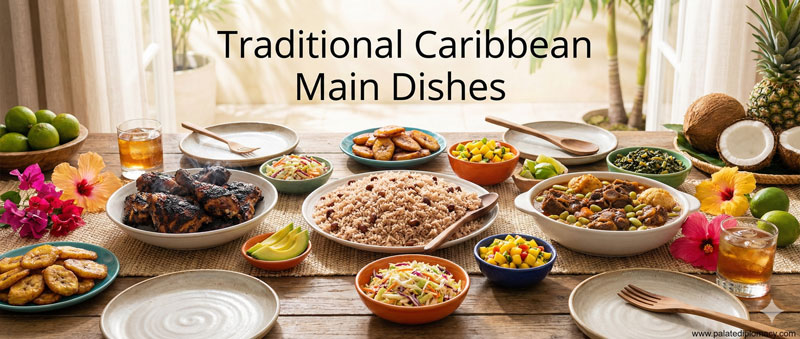
What accompanies curry goat matters almost as much as the main dish itself. Rice and peas or steamed white rice lets the sauce shine and soaks up every spoonful. Roti or fried bread adds a delightful chew that carries bits of meat and sauce to the mouth. Dumplings, boiled dumplings, or fried plantains provide textural contrast and sweetness. Beverages Like a cool herbal drink, ginger beer, or a refreshing sorrel can balance the spice and cleanse the palate between bites. These pairings reinforce the dish’s social nature, encouraging lingering meals and generous servings for everyone at the table.
A Living Recipe: The Ongoing Beauty of Caribbean Curry Goat
Curry goat continues to evolve with the cooks who prepare it. New spice blends, fresh herbs, and seasonal vegetables keep the dish vibrant while preserving its core identity. The method remains simple enough for a weeknight dinner and refined enough for a festival table. In this way, curry goat stays timeless: a dish that speaks to taste, scent, texture, and shared memory. Each bite carries a story of kitchens across the region and the care of cooks who keep the tradition alive. The result is not merely a meal but a celebration of flavor, family, and craft.
Conclusion
Across the Caribbean, curry goat has earned its place as a beloved culinary treasure. It speaks in aroma and taste, inviting everyone to pause, savor, and connect. With its generous sauce, tender meat, and adaptable sides, the dish remains a welcoming thread in the region’s rich food culture. Whether enjoyed at a busy market stall, a family kitchen, or a festive gathering, curry goat stands as a true testament to the beauty of shared cooking and the joy of good flavors brought to life through care and community.