
Top Reasons Caribbean Locals Love Ackee and Saltfish
Ackee and saltfish is more than a meal. It is a bright expression of Caribbean dining, warmth, and everyday celebration. In kitchens across the region, this dish brings people together with its sunlit color, confident flavors, and comforting rhythm. It invites exploration, memory, and conversation at the table. This post highlights the cultural value and culinary significance that make Ackee and Saltfish a beloved staple.
Flavor and Texture That Speak for Caribbean Food
Ackee brings a creamy, buttery richness that melts into the bite. When cooked correctly, the fruit offers soft, pale-yellow kernels with a gentle sweetness. Saltfish supplies a briny backbone, giving depth and a savory note that steadies the dish. The combination creates a balance that is both bright and satisfying. Onions, peppers, and sometimes tomatoes add color and aroma, while herbs and spices cue the palate. The result is a dish that feels hearty yet lively, a perfect reflection of Caribbean cooking: direct, flavorful, and welcoming to all who join the meal.
A Ritual of Preparation That Builds Connection
The making of Ackee and Saltfish often follows a familiar rhythm. Saltfish is desalinated through soaking and rinsing, then flaked into pieces. It is sautéed with onions, peppers, and herbs until the kitchen fills with aroma. Ackee is added gently near the end so its delicate texture remains intact. The careful handling—never overcooking the ackee, maintaining its soft creaminess—mirrors a broader care found in Caribbean home cooking. This sequence becomes more than technique; it is a small ceremony that signals readiness for sharing. The dish invites conversation about the day, the weather, and plans for the meal to come.
A Dish for Family, Friends, and Daily Life
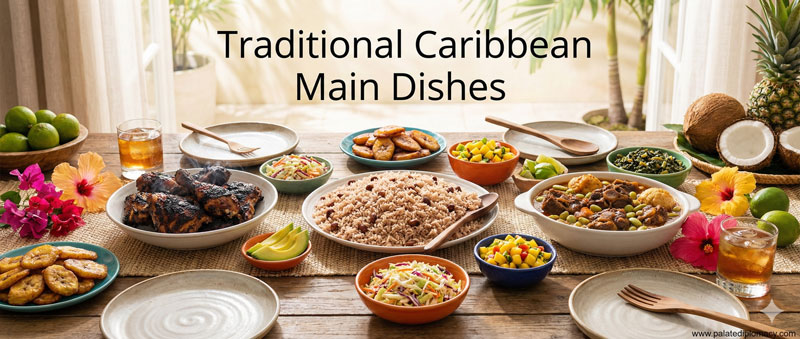
Ackee and saltfish sits at the crossroads of daily meals and special occasions. Many households include it in weekend breakfasts, Sunday lunches, or festive gatherings. The dish is flexible enough to anchor a simple plate or to pair with a larger spread. People often serve it with fried dumplings, ripe plantains, boiled green plantains, yams, or festival. The result is a table that feels inviting and complete, ready for a longer conversation, a bright laugh, and the comfort of familiar flavors. Its presence makes ordinary meals feel a little brighter and a touch more ceremonial.
Regional Flavors and Serving Traditions
Across the Caribbean, cooks put local touches on This Classic. In each place, the dish absorbs regional produce and preferences, yet retains its core identity: a savory, creamy combination crowned with color and aroma. Sides may vary—fried dumplings, breadfruit, or boiled provisions—all chosen to complement the salty, creamy center. The dish often appears on plates during gatherings that celebrate community and shared meals. The variations reflect regional harvests and family traditions, underscoring how Ackee and Saltfish adapts while remaining true to its roots.
Why It Endures in the Culinary Landscape
Timeless appeal is built on three threads: flavor, memory, and adaptability. The flavor profile is distinct enough to stand out on a plate, yet familiar enough to welcome new tasters. The dish often triggers memories of home, home cooking, and warm conversations around the table. Finally, its adaptability—paired with different starches and optional heat levels—lets cooks tailor it to the moment. This flexibility makes Ackee and Saltfish relevant for weekday meals and for weekend feasts alike, ensuring it remains an enduring favorite.
Practical Tips for Enjoying Ackee and Saltfish at Home
- Start with quality ingredients. Fresh ackee or well-preserved canned ackee works best when it’s carefully prepared to preserve its texture. Saltfish should be rinsed well to balance salt levels.
- Keep the ackee gentle. Add it toward the end to maintain its creamy feel rather than crumble.
- Pair thoughtfully. Choose sides that complement the dish’s saltiness and creaminess—plantains for sweetness, dumplings for bite, or yams for heft.
- Adjust heat and brightness. A splash of hot pepper or a mild chili can lift the dish, while a squeeze of lime brightens the flavors just before serving.
- Present with care. A colorful plate with chopped herbs and a few slices of pepper makes the meal feel festive and welcoming.
A Welcoming Plate for Any Table
Ackee and saltfish invites guests to slow down and savor. Its bright color and comforting texture set a warm tone for conversation and shared enjoyment. The dish holds a generous spirit: it is easy to love, generous to share, and delightful in its simplicity. It shines in the morning, adds character to lunch, and can center a festive gathering with friends and family.
Conclusion: A Beautiful Corner of Caribbean Cuisine
In every bite, Ackee and Saltfish tells a story of flavor, care, and communal eating. It is a dish that respects tradition while inviting personal expression. Its cultural value rests in the way it brings people together, the way it adapts to local markets, and the way it remains a favorite across generations. For anyone exploring Caribbean cuisine, this dish is a bright doorway—an invitation to enjoy the beauty of simple ingredients, thoughtful preparation, and the joy of sharing a memorable meal with others. Try it, and you’ll likely find why Caribbean Locals Love this dish so deeply.