
Introduction
Fried plantains shine in Caribbean cuisine for their bright aroma, warm texture, and welcoming sweetness. They are simple to Make and deeply comforting to eat. This dish feels Like a hug on a plate. It brings color, shape, and sound to the table as it sizzles in hot oil. In this post, we explore why fried plantains matter beyond flavor alone.
Cultural Value: Food as Shared Experience
In Caribbean homes, meals are gatherings. Fried plantains appear at many tables, from everyday lunches to weekend feasts. They invite conversation and laughter as families pass plates and share stories. The dish travels with friends to picnics, beach outings, and community events. Its presence signals hospitality and welcome. A plate of fried plantains says: you belong here.
Culinary Significance: Technique and Flavor Craft
The magic lies in balance. Plantains range from green to fully ripe, and each stage offers a different personality. Green plantains give a savory bite with a sturdy texture. Ripe plantains glow with natural sweetness and a softer bite. The classic method involves frying slices or rounds in oil until the edges turn golden. For extra crispness, some cooks double-fry green plantains. A touch of salt heightens the sweetness, while a squeeze of lime can lift the flavors. The result is a dish that pairs well with many other textures and tastes on the plate.
Ripeness and Roles: Green Versus Ripe
Green plantains are friends to hearty dishes. They absorb savory flavors and hold their shape well. They are ideal when you need a sturdy side that stays crisp a little longer. Ripe plantains are a treat for the palate. Their natural sugars caramelize, producing a mellow sweetness. They bring a soft contrast to stews and beans. Many households prepare both styles, celebrating the plantain’s versatility in one meal.
Regional Variations: Caribbean Perspectives
Across the Caribbean, cooks tailor fried plantains to local palates. In some places, ripe plantains are fried with a light dusting of salt for a simple, sweet-salty bite. In others, green plantains are pressed and fried twice to create crisp rounds that resemble chips. You may hear about maduros, the sweet, caramelized ripe version, or about tostones when green plantains are fried, pressed flat, and fried again. In every variation, the plantain remains a canvas for regional flavor ideas—gently seasoned, softly sweet, or boldly savory.
Serving Traditions: How It Complements the Plate
Fried plantains complement a wide range of dishes. They pair beautifully with beans and rice, a hearty stew, or fried fish. A squeeze of lime adds brightness, while a dash of hot sauce introduces a gentle kick. They also stand well as a snack or starter, stacked on a shared platter. The serving style invites guests to take a piece, trade tastes, and continue the meal with warmth and ease. This adaptability makes fried plantains a reliable feature in many menus.
The Sensory Experience: Aroma, Texture, Color
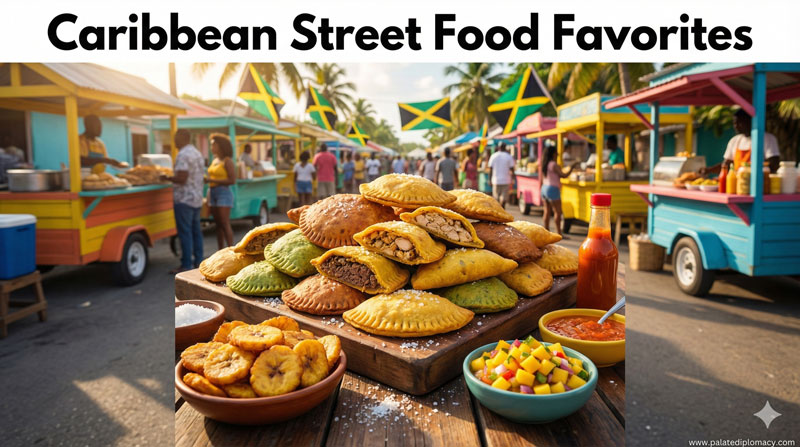
The moment the oil heats, the kitchen fills with a sweet, nutty fragrance. Sizzling sounds invite anticipation. The outside turns crisp and bronzed, while the inside remains tender. The color ranges from pale gold to deep amber, depending on ripeness and technique. Texture plays a starring role: a slight bite at the edge, a soft center, and a lingering sweetness. This combination makes fried plantains memorable beyond the initial bite.
Conclusion: A Dish That Feels Like Home
Fried plantains embody the spirit of Caribbean cooking: approachable, soulful, and capable of brightening any meal. They celebrate the plantain’s versatility and the community’s love for shared food. Whether served as a savory companion or a sweet treat, fried plantains offer comfort, color, and connection. They remind us that good flavor often grows from everyday, intentional cooking and the warmth of the table.