
Introduction
Why Travelers Are Falling in Love with Rice and Peas invites readers to taste more than a dish. It invites them to a quiet moment of shared warmth, fragrant aroma, and simple, satisfying flavor. This dish travels through towns and markets with equal ease, carrying memories of sun, sea, and friendly greetings. Its cultural value comes from how it brings people to the table and how it adapts to different kitchens. In every bite, you feel care, craft, and a celebration of local ingredients done well.
What is Rice and Peas?
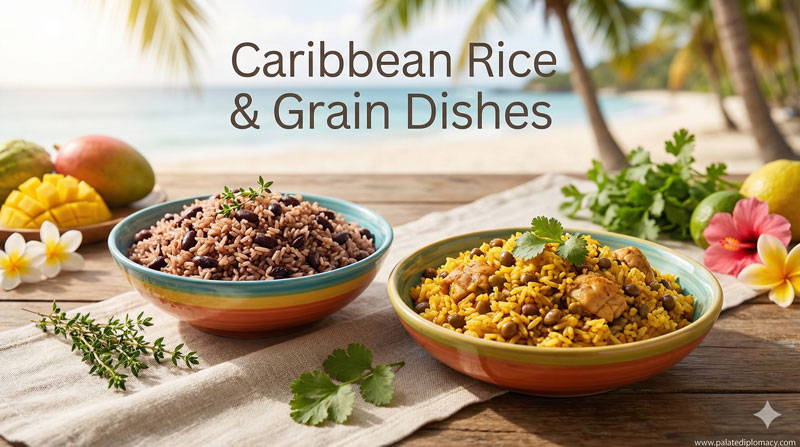
Rice and peas is a comforting plate built on rice, legumes, and coconut milk. In many Caribbean kitchens, “peas” refers to beans, not green legumes. The dish often includes a bright mix of onion, garlic, scallions, thyme, and a hint of spice. The result is a creamy, fluffy mound of rice that glows with the coconut’s sweetness and the beans’ gentle bite. The core idea remains simple: transform everyday pantry staples into something vibrant and inviting.
The Core Ingredients
- Long-grain rice for light texture
- Beans or peas (kidney beans or pigeon peas are common choices)
- Coconut milk or a splash of coconut cream
- Onion, garlic, scallions
- Fresh thyme and a touch of pepper
- Salt to taste, sometimes a pinch of allspice
The beauty lies in balance. The beans provide protein and texture, the coconut adds silk, and the aromatics lift every grain. Variations may swap beans, adjust spices, or lean into more coconut for a richer finish. Yet the essence remains an easy, homey harmony.
Cooking Techniques That Sing
Rice and peas shines when prepared with patience and gentle heat. Sauté aromatics first to release their fragrance. Add the beans, coconut milk, and a measured amount of water or stock. Bring to a simmer, then cover and cook slowly until the rice absorbs every drop of flavor. Finish with a light fluff that keeps each grain distinct. One-pot cooking makes cleanup Easy and preserves the dish’s creamy cohesion. The technique rewards attention to heat and timing.
Sensory Journey: Flavor and Texture
The aroma alone invites curiosity: coconut warmth mingled with onion and herbs. The rice takes on a pale ivory glow, each grain separate yet tender. Beans contribute a subtle bite that contrasts with the silkiness of the coconut sauce. A whisper of thyme and pepper leaves a clean, lingering finish. This texture and aroma make the dish welcoming to new tastes and comforting to familiar palates.
Cultural Value in the Market and Home
Rice and peas sits at the heart of everyday meals and community gatherings. It appears in family kitchens, bustling markets, and friendly street stalls. It is a dish that travels with cooks across kitchens, adapting to local produce and preferences while keeping a recognizable core. The approachability of the recipe invites sharing, conversation, and a sense of place. In this way, the dish contributes to a living culinary culture that values hospitality, craft, and seasonal harvests.
Travel Appeal: Why Travelers Seek It
Travelers are drawn to rice and peas for its immediacy and soul-satisfying taste. It is approachable, affordable, and widely available in seaside towns and inland markets alike. The dish speaks of sunshine and coastal living, yet its flavors feel universal enough to comfort a traveler far from home. It photographs beautifully, with the creamy coconut resting on pale rice and specks of green from herbs. Most importantly, it offers a memorable sense of place—simple ingredients, thoughtful technique, and a dish that feels Like a welcome.
Pairings and Serving Suggestions
Pair rice and peas with bright accompaniments to reveal new layers. Try fried plantains for sweetness and crunch, a tangy lime wedge to brighten the palate, or a fresh green salad to cleanse the palate between bites. A grilled fish or lightly spiced vegetables can turn the plate into a balanced meal. For a heartier option, serving it with a lime- and herb-brushed protein keeps the flavors light and harmonious.
Regional Twists: Variations Across the Region
Regional twists exist, reflecting local ingredients and tastes. Some kitchens favor kidney beans, others pigeon peas. The level of coconut milk can range from a delicate hint to a rich, creamy sauce. Aromatics may vary with thyme, scotch bonnet pepper for a gentle heat, or culinary herbs chosen for the season. These variations honor local agriculture while preserving the dish’s core identity: a comforting, fragrant rice-and-bean creation.
Tips for Travelers
- Ask about the bean choice and coconut level to match your mood.
- Request a smaller portion if you’re sampling multiple dishes.
- Look for stalls where the dish is made fresh to enjoy the aroma as you wait.
- Pair with local sides to discover complementary flavors in the same meal.
Conclusion
Rice and peas stands as a bright thread in the tapestry of food culture. Its simplicity invites participation, its aroma invites curiosity, and its texture invites lingering. For travelers, the dish offers a memory you can taste—creamy coconut, tender beans, and fluffy rice, all woven together with care. In every bowl, you meet a culture that champions hospitality, craft, and a shared love of good food.