
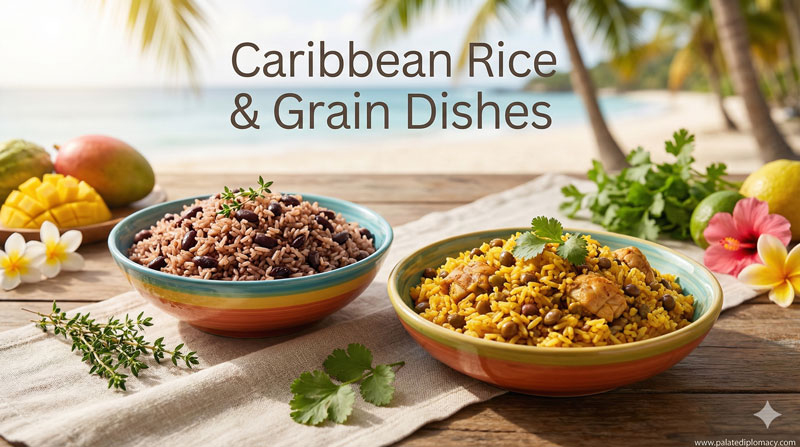
A Welcome into Rice and Peas
Rice and peas has become a beloved staple across Caribbean kitchens. It is more than a dish; it is a everyday hello on the table, a sign of care at mealtime, and a source of comfort when shared with family and friends. The dish invites warmth with its aroma, its creamy texture, and its gentle, comforting balance of flavors. It celebrates simplicity done well and shows how a few good ingredients can create a sense of place in every bowl.
What Makes It Stand Out: Core Elements
The Heart of rice and peas lies in two main stars: the grain of rice and the peas, which in many homes means red kidney beans or pigeon peas. Coconut milk often carries the dish to its creamy, velvety finish, while a splash of water or stock helps it simmer to perfection. Fragrant herbs and spices give it character: thyme, scallions, garlic, and a touch of onion. Salt and pepper wake the flavors, and many cooks add a small pimento berry or a hint of Scotch bonnet for gentle heat. This blend creates a dish that is mellow and lush, with a clean, bright finish.
The technique matters as much as the ingredients. Start with the beans and coconut milk to build a fragrant base. Then add the rice and let everything steam together. The goal is tender grains, soft peas, and a creamy-but-not-sticky texture. When the steam rises and the kitchen fills with a coconut-sweet aroma, you know the moment has arrived. A short rest off the heat helps the rice settle, so every bite feels balanced and generous.
Regional Flavors: How Regions Shape the Dish
Across the Caribbean, cooks adapt rice and peas to reflect local tastes and the rhythms of daily life. Some kitchens favor kidney beans, others pigeon peas; some lean toward a richer coconut presence, while others balance with more herbs or a touch of lime juice. Thyme is a faithful companion in most versions, lending an earthy, lemony note that lifts the dish. Scallions, garlic, and sometimes scallion tops bring a bright edge, while a careful pinch of salt or pepper keeps the flavors clean.
In many households, the dish shines as a companion to other favorites. A plate of fried plantains, some callaloo, or a sunny salad can accompany rice and peas perfectly. The versatility makes It a reliable choice for everyday meals and for gatherings where everyone sits together to share food and conversation. This adaptability—working with what’s in the pantry and making it feel special—is a key reason the dish travels so naturally across homes and kitchens.
The Cooking Rhythm: Steps for Success
- Plan a two-step simmer: cook the beans with coconut milk and herbs first, then add the rice and more liquid. This helps the peas stay tender without losing their shape.
- Use fresh thyme sprigs or dried thyme for a subtle, comforting note that lingers pleasantly.
- Keep the pot steady with a gentle simmer; avoid vigorous boiling, which can roughen the grains.
- Let the dish rest a moment after cooking. A brief pause lets the flavors settle and the grains finish their gentle absorption.
Tips for home cooks:
– If you prefer a firmer grain, add a small amount of extra water near the end and reduce the simmer.
– For a richer finish, stir in a teaspoon of butter just before serving.
– Adjust heat with pride: a small amount of Scotch bonnet or a dash of hot sauce can tailor the warmth to your table.
The Sensory Quilt: Aroma, Texture, and Color
The beauty of rice and peas lies in its sensory balance. The aroma combines coconut sweetness with herbaceous freshness, inviting you to taste before you even take a bite. The texture is creamy and soft, yet the rice remains distinct enough to provide structure in each mouthful. The peas offer color and bite, giving a pleasing contrast to the pale grains. The overall effect is soothing, comforting, and inviting—a bowl that signals hospitality and care.
A Dish for Everyday and Celebration
Rice and peas lives in homes as a dependable everyday dish, yet it also finds its way onto festive tables and weekend gatherings. It lends itself to generosity—shared from pots at community events or plated for family meals after a long week. The dish’s familiarity creates a quiet moment of joy, a shared thread that makes meals feel communal. People recall childhood kitchens, friendly conversations, and the comfort of a well-made plate of rice and peas. In this way, the dish becomes a canvas for memory and for the simple pleasure of good food.
Serving Ideas: Elevating the Experience
- Pair with a bright, peppery sauce or hot pepper relish to contrast the creaminess.
- Serve alongside fried or baked fish, jerk-seasoned chicken, or roasted vegetables for variety.
- Add a touch of lime juice or lemon zest to brighten the dish just before serving.
- Top with fresh herbs like chopped parsley or scallions to lift the aroma.
A Gentle Conclusion: The Heart of Caribbean Tables
Rice and peas stands as a testament to how a few well-chosen ingredients can carry culture, comfort, and culinary delight. Its gentle richness, flexible technique, and welcoming spirit make it a dish that invites conversation, sharing, and appreciation. Each bowl tells a story of home, of gatherings, and of the skill of cooks who transform simple pantry staples into something truly special. In every kitchen across the Caribbean, the dish continues to travel from pot to plate with warmth, grace, and the unmistakable scent of coconut and thyme.