
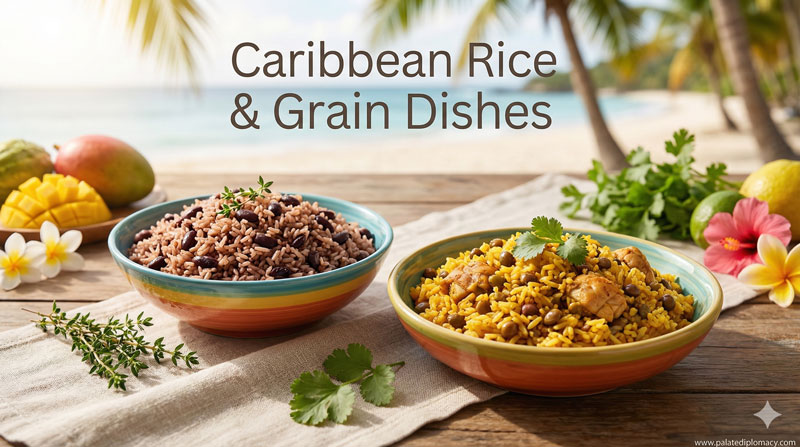
What Pelau Is and Its Place in Caribbean Kitchens
Pelau is a vibrant Caribbean dish built around a pot of fragrant rice, tender meat, and small legumes. In many kitchens, it blends chicken, pigeon peas, and coconut milk into a single, satisfying meal. The dish glows with warm aromas of toasted spices and caramelized sweetness, inviting you to taste right away. Pelau plays a special role in everyday cooking and in festive gatherings alike. It is a crowd-pleaser that travels well from stove to table, delivering comfort with every bite. The beauty of pelau lies in its balance: savory meat, softly threaded rice, and the gentle kiss of sweetness from browning sugar. This harmony makes pelau a beloved symbol of Caribbean home cooking.
A One-Pot Celebration of Flavor and Resourcefulness
Pelau celebrates efficiency as much as flavor. The method stacks layers of taste in one pot, saving time while preserving depth. You brown the meat to develop rich fond, toast aromatics to wake the kitchen, then add rice, peas, and coconut milk to simmer together. The result is a cohesive dish where every element supports the others. This one-pot approach echoes Caribbean ingenuity—turning simple, readily available ingredients into something generous and memorable. The pot becomes a communal instrument, with friends and family gathering around its inviting scent as the flavors mingle.
The Craft: Techniques That Elevate Pelau
Mastering pelau means embracing a few key techniques. First, a touch of caramelized sugar helps build color and a subtle sweetness that clarifies the dish’s soul. This browning step deepens the flavors of the meat and the rice. Next, you brown the chicken thoroughly, letting the edges crisp and the juices stay juicy. Sautéing onions, garlic, and peppers enhances the aroma and sets a bright base. Finally, you simmer with coconut milk and stock, letting the grains absorb moisture while releasing a gentle nutty richness. If you Like a crisp bottom layer, you’ll notice a delicate crust forming at the pot’s base—a welcome contrast to the tender grains above. The careful balance of heat, timing, and texture makes pelau feel crafted rather than hurried.
Ingredients That Tell a Story
Pelau tells a story through its ingredients. Long-grain rice absorbs flavor without losing its character, while pigeon peas add earthiness and protein. Chicken provides a sturdy, comforting center, and coconut milk lends a silky, tropical note. Aromatics such as onions, garlic, scallions, thyme, and bay leaves infuse the dish with fragrance. Carrots or bell peppers bring color and a hint of sweetness. A pinch of hot pepper or a splash of hot sauce often appears to brighten the bite. Green seasoning—a fragrant blend of herbs like cilantro, parsley, thyme, and garlic—can be stirred in for a refreshed, herbal lift. Each ingredient speaks to local markets, farms, and seasonal abundance, weaving a culinary map of flavors across Caribbean kitchens.
The Social Side: Pelau at Gatherings
Pelau shines most brightly when shared. It is a dish that invites conversation and clinking pots, as neighbors and family members lend a hand in the kitchen. The act of cooking together—stirring the pot, checking the flame, tasting, and adjusting seasoning—builds a sense of belonging. When pelau arrives at a table, it arrives with stories of family recipes, tested techniques, and regional tweaks. People often remember the moment a pot is carried from stove to table, its steam carrying the scent of home. This communal spirit is a defining aspect of pelau’s cultural value: a practical, flavorful meal that brings people together, plate by plate, memory by memory.
Regional Variations and Personal Touches
Across the Caribbean, pelau takes on local character. In some places, gungo peas (pigeon peas) are preferred for their earthiness; in others, kidney beans or black-eyed peas appear as substitutes. The spice mix shifts with taste, adding more thyme, scissor-cut pepper, or a splash of lime to brighten the palate. Some cooks accent the dish with dried coconut flakes or a touch of burnt sugar at the end for an extra kiss of caramel. Each variation preserves the core idea—a savory, comforting one-pot meal—while reflecting regional pantry choices and family preferences. The beauty of pelau lies in its adaptability, welcoming small changes that keep the dish fresh and personal while honoring tradition.
Why Pelau Endures in Caribbean Cuisine
Pelau endures because it speaks to values shared across Caribbean cooking: warmth, practicality, and generosity. It offers a complete meal in a single pot, ideal for busy days and crowded tables. The dish rewards attention to detail—the caramelization, the browning, the gentle simmer—without requiring fancy equipment. Its flavors are expressive but approachable, inviting children and adults alike to explore and enjoy. Pelau also carries a sense of place, connecting cooks with their neighbors through familiar aromas and shared meals. In this way, pelau becomes more than food; it becomes a daily expression of the Caribbean’s love of flavor, family, and community.
Serving Ideas: Completing the Pelau Experience
To savor pelau fully, pair it with simple, bright accompaniments. A fresh salad or sliced cucumber adds a crisp contrast. Fried plantains bring a sweet, starchy balance that echoes the dish’s own sweetness. A tangy lime wedge brightens the palate, while a splash of hot pepper sauce offers a lively finish for those who crave heat. Serve pelau hot, with extra coconut milk on the side for those who like a creamier texture. The final plate should feel inviting and complete, a reflection of the dish’s ability to satisfy heart and appetite alike.
A Welcome Invitation to Caribbean Flavor
Pelau invites you to slow down and savor flavor, color, and aroma in equal measure. It celebrates resourcefulness, family, and shared meals. When you taste pelau, you taste a culture that values hospitality and home-cooked goodness. The dish is a testament to the Caribbean’s culinary charm: simple ingredients, careful technique, and a generous spirit. Whether you are new to the flavors or rediscovering an old favorite, pelau welcomes you with warmth, balance, and a promise of delicious memory to come.