
Introduction
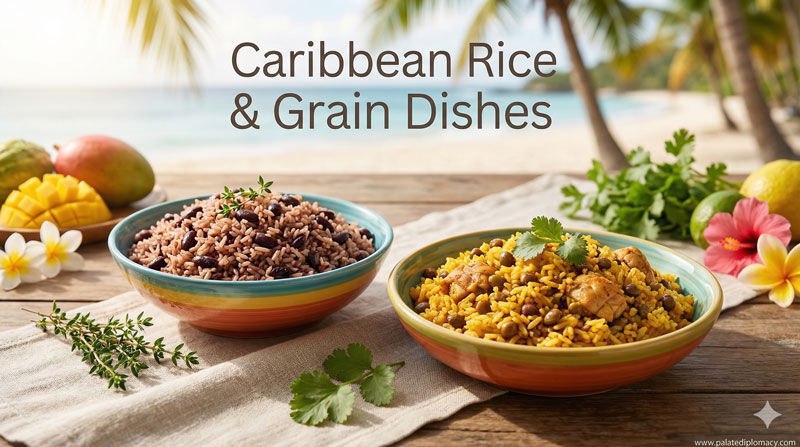
Rice and Peas is a warm invitation into Caribbean kitchens. It shines with bright coconut aroma, gentle spice, and a comforting bite. Across islands, families serve it on busy weeknights and festive Sundays alike. The dish blends simple staples into a dish that feels sunlit and inviting. In this post, we celebrate its cultural value and its culinary significance. We explore how it asks to be tasted, shared, and remembered.
Core Elements that Define the Dish
At its heart, Rice and Peas is a harmony of grains, beans, and creaminess. The key ingredients are rice, a selection of peas or beans, and coconut milk or a coconut-tinged broth. Dried pigeon peas or red kidney beans are common choices. Some kitchens use pigeon peas for a sweeter, nuttier note; others favor red beans for a plumper texture. Coconut milk lends a mellow sweetness and a lush mouthfeel. Fresh thyme, scallions, and a touch of garlic awaken the dish with forest-green fragrance. A leaf of bay or a pinch of allspice can add warmth without overpowering the balance. The technique is gentle: simmer slowly, keep the liquid just so, and let the grains soak up flavor. The result is fluffy rice with tender peas and a creamy, cohesive sauce that clings kindly to each grain.
Regional Expressions Across the Caribbean
Rice and Peas travels well, taking on small regional accents while staying true to its core identity. In Jamaica, cooks often use pigeon peas with coconut milk, letting thyme and scallion lead the aroma. In Barbados and Trinidad and Tobago, red beans may stand in for pigeon peas, bringing a slightly earthier profile and a richer color. In parts of Grenada, Antigua, and the Bahamas, cooks savor the soft, creamy texture and pair the dish with spicy stews, jerk-seasoned meats, or fried fish. Across islands, cooks share a love for a fragrant base of coconut, herbs, and a gentle simmer. The result is a family-friendly dish that nourishes and delights, no matter where you sit at the table. Each island adds its own pinch of spice, its preferred bean variety, and its favorite method of timing to bring out a unique note while honoring a familiar comfort.
The Mouthfeel, Aroma, and Pairings
Texture matters as much as aroma. When done well, the rice grains separate but stay tender, with a creamy, almost silky finish thanks to the coconut milk. The peas or beans hold their shape, offering gentle bite and sweetness. The scent is inviting: warm coconut, green herbs, and a mild peppery note from scallions and thyme. This dish is a natural partner to grilled or stewed meats, fried plantains, and fresh lime juice. It also stands proudly on its own as a comforting staple. For many families, a bowl of Rice and Peas signals nourishment, care, and togetherness. Pair it with crispy fish, spicy curry, or a slow-braised meat to balance richness with brightness.
Cultural Moments and Everyday Meals
Rice and Peas anchors daily life and special occasions alike. It is a dependable choice for a busy weeknight, offering a soothing flavor that kids and adults alike savor. It also shines on holiday tables and Sunday feasts, where a pot of rice and peas invites everyone to gather, share stories, and enjoy the moment. The dish carries associative memories—home smells that drift through the house, the soft clink of cutlery, and the joy of a table set for family. Because the recipe travels easily from kitchen to market stall to seaside cookout, it has become a unifying thread in the Caribbean culinary fabric. Its simplicity and adaptability allow it to pair with bold flavors or to shine beside a lighter, fresh dish.
Practical Tips for Perfection
- Choose your bean variety by preference. Pigeon peas bring sweetness; red beans offer a heartier bite.
- Rinse the rice to remove excess starch, but cook with the rice-coating starch to help the texture stay cohesive.
- Use fresh thyme and chopped scallions for a bright, green aroma. If you Like a bit of heat, add a small amount of minced hot pepper.
- Add coconut milk in two stages: a portion with the beans to start the flavor, and a final splash near the end to enrich the finish.
- Let the dish rest a few minutes after cooking. This helps the grains settle and makes serving easier.
- Adjust salt gradually. A light hand keeps the coconut sweetness and herb brightness in balance.
A Call to Explore and Enjoy
If you taste Rice and Peas with curiosity, you’ll notice how the dish invites you to slow down and listen to the kitchen. The fragrance tells a story of home and shared meals. The texture invites you to savor every bite, and the pairing suggestions encourage experimentation while preserving the dish’s core identity. It is a versatile canvas—one that accommodates different bean choices, spice levels, and regional preferences without losing its comforting heart.
Conclusion: A Timeless Comfort on the Table
Rice and Peas remains a beloved beacon in Caribbean cooking. It celebrates simple ingredients, thoughtful seasoning, and careful technique. Its cultural value lies in its steady presence and its role in bringing people together around the table. Its culinary significance stems from the way it pairs with a wide range of flavors while maintaining a gentle, creamy texture and a bright, welcoming aroma. As you cook or savor this dish, you’re tasting a shared love for nourishment, warmth, and community—a timeless comfort that travels beautifully across the Caribbean.