
Introduction
In “A Complete Guide to Enjoying Rice and Peas Like a Local,” we explore a dish that feels like home in many kitchens. This guide centers on cultural value, culinary significance, and the simple joy of a well-made pot of rice and beans. Expect clear steps, warm descriptions, and ideas to savor the dish with gratitude and curiosity.
What is Rice and Peas?
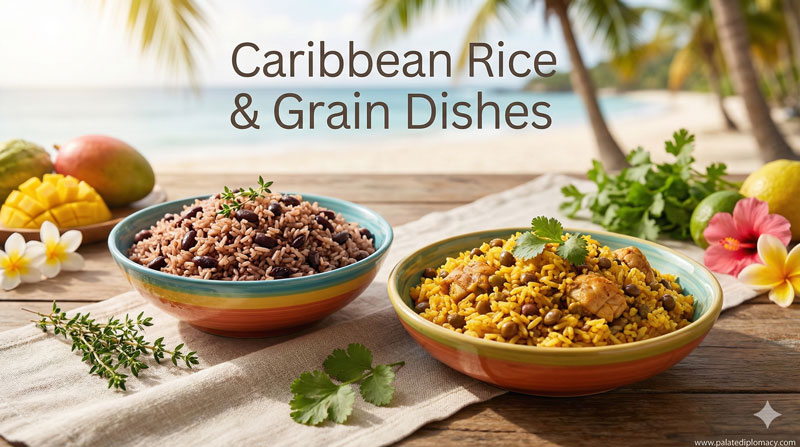
Rice and peas is a one-pot dish that blends tender grains with flavorful beans. The basics are rice, beans (often kidney beans or pigeon peas), coconut milk, and seasonings. The result is a creamy, aromatic pot that feels comforting and bright at the same time. Each kitchen adds a personal touch, making the dish a staple for everyday meals and special gatherings alike.
Essential Ingredients
- Long-grain rice
- Beans (kidney beans or pigeon peas)
- Coconut milk
- Water or broth
- Fresh thyme
- Scallions (green onions)
- Garlic
- Onion
- Salt and pepper
- Optional: scotch bonnet pepper for heat, allspice for warmth
These ingredients come together to form a harmonious balance of sweetness, richness, and gentle spice. The coconut milk invites a silky texture, while herbs add freshness and depth. This combination is what many cooks reach for when they want a reliable, satisfying meal.
How to Cook: The Classic Method
First, rinse the rice until the water runs clear. Soak dried beans if you use them, or rinse canned beans well. Simmer beans with thyme, onion, garlic, and a splash of coconut milk until tender. Then add rice, remaining coconut milk, and water. Bring to a gentle boil, cover, and reduce heat. Let it simmer until the rice is fluffy and the liquid is absorbed. Finally, rest the pot off the heat for a few minutes, then fluff and serve.
Balancing Flavors: Coconut Milk, Herbs, and Heat
Coconut milk provides a creamy base that carries the flavors of thyme and scallions. Fresh garlic and onion add warmth and aroma. A touch of allspice can deepen the sweetness, while a small piece of scotch bonnet pepper offers a bright, gentle heat for those who enjoy it. The balance is gentle, not loud, inviting you to taste each component.
Serving Ideas and Etiquette
Serve rice and peas hot, straight from the pot or on a shared platter. Pair it with fried plantains, grilled fish, or jerk-seasoned chicken for a complete meal. A squeeze of lime or a fresh herb garnish can brighten the dish just before serving. The joy comes from sharing, eye contact, and the aroma that signals a meal is ready.
Regional Tweaks and Variations
Across kitchens, cooks adapt the dish to their pantry. Some prefer red kidney beans; others use pigeon peas for a lighter bite. The choice of beans can alter the texture slightly—firm vs. creamy—while the level of coconut milk changes the richness. Different islands or households may adjust thyme, onion, and pepper to suit local flavors, preserving the essence while creating personal touches.
Quick Tips for Home Cooks
- Rinse rice to prevent cloudiness and keep grains separate.
- Soak beans if using dried beans to shorten cooking time.
- Taste and adjust salt after the beans and rice have cooked together.
- Keep liquid gentle to avoid scorching; a low simmer preserves aroma.
- Store leftovers covered in the fridge; reheat gently to avoid mushy rice.
Final Thoughts
Rice and peas stands out for its comforting texture and bright, inviting aroma. It is a dish that welcomes conversation, shared bowls, and a sense of place at the table. By embracing its simple ingredients and mindful preparation, you can Enjoy This dish “like a local” wherever you are. Try a version today, and savor the balance of creaminess, herb brightness, and wholesome heartiness that makes rice and peas truly special.