
Introduction
Pelau is a beloved one-pot dish that captures the tempo and warmth of Caribbean life. It is more than a meal; it is a shared ritual that marks everyday moments and festive occasions alike. The dish blends generous flavors with accessible ingredients and a cooking method that invites participation. When you taste pelau, you sense a story of family, place, and a resilient culinary spirit.
What makes Pelau unique
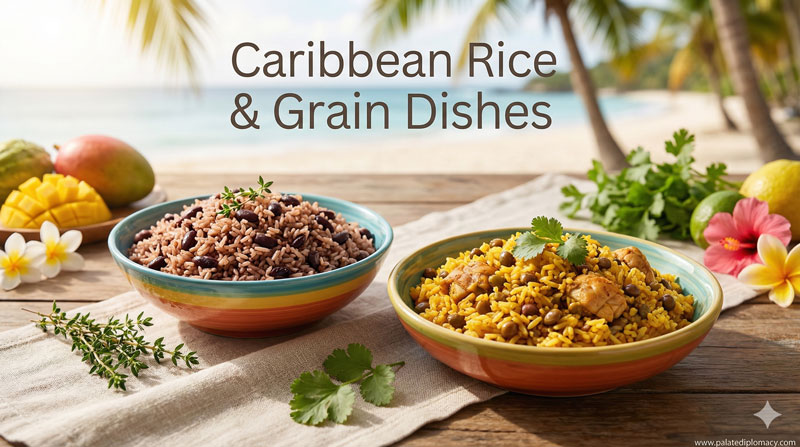
Pelau brings together rice, pigeon peas (sometimes called gungo peas), meat (usually chicken), and coconut milk. A splash of caramelized sugar creates a golden base, adding a gentle sweetness that balances the savory notes. Aromatics such as onions, garlic, thyme, and pepper drive the perfume upward. Some cooks add a hint of cinnamon or cloves for warmth. The result is a fragrant, hearty dish that speaks to everyday nourishment and festive abundance alike. The combination of starch, protein, and a coconut-rich broth showcases how Caribbean cooks layer flavors in a single pot, achieving depth with patience and skill.
The one-pot harmony
In pelau, technique matters as much as ingredients. First, the sugar caramelizes to build color and a subtle caramel note. Next, meat is seared to seal juices and create a smoky edge. Then rice and peas join the pot with coconut milk and broth, so everything cooks together. Finally, seasoning settles in, and the dish rests briefly before serving. This approach reflects a practical artistry: complex flavor emerges from a simple, efficient method. The one-pot style makes pelau a flexible foundation for countless family adaptations, showing how Caribbean cooking balances richness with practicality.
Culture at the table
Pelau is deeply connected to community and shared meals. It is frequently prepared for gatherings, outdoor picnics, family Sundays, and weekend rituals. The act of cooking pelau often becomes a social event, with relatives taking turns at the stove, passing down tips, and swapping notes on local twists. In many homes, the dish travels from kitchen to table Like a friendly ambassador, inviting everyone to contribute a scoop and a story. Through these rituals, pelau reinforces a sense of belonging and togetherness that sits at the Heart of Caribbean food culture.
Regional flavors and variations
Across the Caribbean, pelau wears local colors. In Trinidad and Tobago, chicken pelau with coconut milk is a common version, sometimes enriched with occasional additions such as pumpkin or green seasoning. In other islands, cooks may adjust spices, herbs, or the type of meat to reflect regional tastes and seasonal produce. Despite these differences, the core idea remains: one pot, a balance of sweet and savory, and a kitchen filled with aroma. These variations highlight a shared culinary language that travels from home to street corner to festival stall, creating a tapestry of flavors anchored in place and practice.
Aroma, color, and memory
The sensory experience of pelau—its caramel-amber crust, the sizzle of onions, the coconut-soft steam—becomes a memory cue. The color tells a story of careful heat and patience; the aroma recalls kitchens brimming with family participation. In this way, pelau transcends a single recipe. It becomes a familiar ritual that signals welcome, nourishment, and warmth. The dish invites you to pause, savor, and reflect on how flavor connects people to place and tradition.
Craft and authenticity
Authenticity in pelau comes from balance and technique as much as from ingredients. Practice teaches how long to cook to achieve the right tenderness of the meat and the perfect texture of the rice. The best pelau respects the harmony of smokiness, sweetness, and richness, while allowing the coconut note to perfume the broth. Mastery is shown in the ability to adjust the heat, the liquid level, and the seasoning over time, preserving a timeless method while welcoming subtle personal touches.
Pelau as a bridge between generations
Pelau functions as a bridge that links generations through taste and technique. Grandparents often share the core method, while younger cooks experiment with local produce or new spice blends. This transfer keeps the dish dynamic and alive, ensuring that tradition remains flexible and relevant. In this way, pelau demonstrates how Caribbean food culture thrives on continuity and curiosity, honoring the past while inviting fresh interpretations.
Serving and sharing
When pelau fills a plate, it signals more than sustenance. It invites conversation, storytelling, and laughter. It pairs well with simple accompaniments like a fresh salad, lime, and tangy chutney, which echo the dish’s bright balance. Sharing pelau reinforces hospitality and generosity, values that hold steady across Caribbean meals. The act of serving and offering seconds makes the dish a social ritual as much as a staple.
The language of balance
Pelau embodies the Caribbean culinary ethic of balance. It blends sweet caramel with savory meat, creamy coconut with bright herbs, and hearty starch with tender legumes. This balance mirrors everyday life, where flavor and nourishment come from thoughtful pairing and careful timing. The dish teaches that richness comes not from complexity alone, but from harmony—an idea that resonates with cooks and diners alike.
Conclusion
How pelau reflects Caribbean food culture is a story told through aroma, color, texture, and shared meals. It is a dish that invites participation, honors family traditions, and demonstrates the beauty of one-pot cooking. Pelau stands as a delicious reminder that a single recipe can carry memory, community, and place across generations. In every bite, you taste the warmth of the Caribbean table and the joyful art of cooking together.