
A Complete Guide to Enjoying Rice and Peas Like a Local
Rice and peas holds a cherished spot in Caribbean-inspired kitchens. It is more than a side dish; it is a comforting ritual that welcomes family and friends to the table. This guide celebrates its cultural value and culinary significance with warmth and clarity.
What is Rice and Peas?
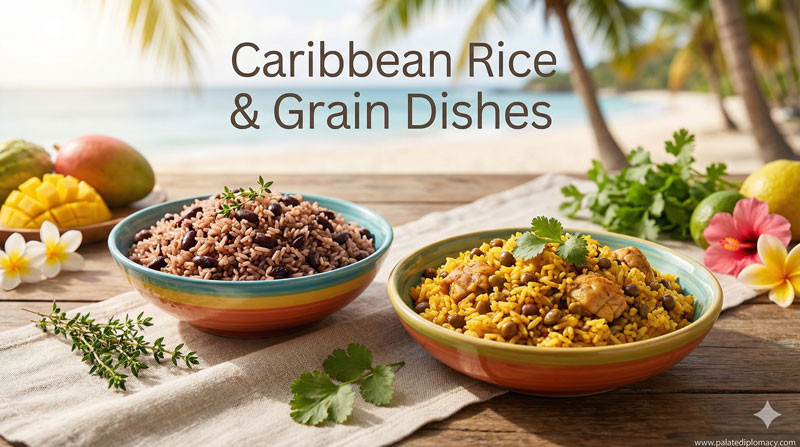
Rice and peas is a hearty dish built on fluffy, fragrant grains and tender beans. In Jamaica and many Caribbean kitchens, the “peas” are red kidney beans, simmered with coconut milk and herbs. In other regions, pigeon peas or other beans may be used. The result is a creamy, slightly nutty base that carries bright notes from thyme, scallions, garlic, and pepper. The dish blends texture and aroma, inviting you to savor every bite.
Flavor Profile and Texture
First, expect a gentle sweetness from coconut milk. Next, a toasty note from thyme and spices adds depth. Then, the beans provide creaminess that coats each grain. Finally, a subtle heat from peppers can lift the palate. The texture balances tender beans with separate but soft rice, all mingling in a silky, cohesive sauce.
Key Ingredients and Their Roles
- Rice: The main backbone; long-grain varieties hold up well.
- Beans (peas): Create body and creaminess; they also add protein.
- Coconut milk: Brings richness and a hint of sweetness.
- Thyme, scallion (green onion), garlic: Build a bright, savory foundation.
- Pepper and salt: Tie flavors together and adjust heat.
- Optional additions: a bay leaf, a small piece of hot pepper, or salted cod for a classic twist.
Techniques for Cooking Like a Local
- Start by rinsing the beans and soaking if you have time. This speeds up cooking and yields even texture.
- Simmer beans with coconut milk and water, along with thyme and scallion. Cook until the beans are tender but not mushy.
- Add rice, stir gently, then reduce heat to a simmer. Cover and cook until all liquid is absorbed and the grains are fluffy.
- Let the pot rest a moment before serving to let flavors mingle.
- Taste and adjust salt, then remove the hot pepper if used.
Serving Ideas and Pairings
Rice and peas shines beside seasoned proteins like jerk chicken, curry fish, or coconut-scented shrimp. It also pairs beautifully with fried plantains, callaloo, or a fresh salad. For a complete plate, aim for a balance of protein, vegetables, and the creamy rice. If you Like a bright finish, squeeze a drop of lime over the dish just before eating.
Cultural Value and Everyday Significance
This dish is a weekly staple in many homes, especially on special family meals and weekend gatherings. It brings people together with its comforting aroma and familiar taste. The recipe travels gently across kitchens, adapting to local ingredients while preserving a core sense of home. Its versatility shines in different kitchens, yet the essence remains the same: a warm, nourishing bowl that welcomes everyone to share.
Sourcing and Quality
Choose beans that are evenly colored and free from cracks. Fresh coconut milk or a well-made canned coconut milk adds vibrancy. Fresh thyme and scallions lift the dish, so select bunches with bright leaves. When possible, use a reputable rice variety labeled for good texture and aroma.
How to Taste Like a Local
- Serve the dish hot, with steam rising and a gentle fragrance filling the room.
- Pair it with a protein that matches the dish’s coconut notes to create harmony.
- Eat slowly to notice the Creamy Bean texture and the balance of spice and sweetness.
Final Thoughts
Rice and peas invites you into a kitchen where comfort and craft meet. Its simple ingredients, careful technique, and inviting aroma create a dish that feels like home. By focusing on flavor, texture, and shared meals, you learn to honor the beauty of this staple and enjoy it like a local.