
Top Reasons Caribbean Locals Love Pelau
Pelau is more than a dish. It is a familiar friend that arrives on a pot, bringing warmth, aroma, and a smile. In the Caribbean, pelau stands for comfort, craft, and shared joy. It is a welcome centerpiece at gatherings, a flavorful reminder of home, and a celebration of everyday cooking done with care. Locals Love pelau for its balance of heartiness and finesse, its one-pot ease, and the way it invites people to slow down and savor the moment.
Core Ingredients and Culinary Pulse
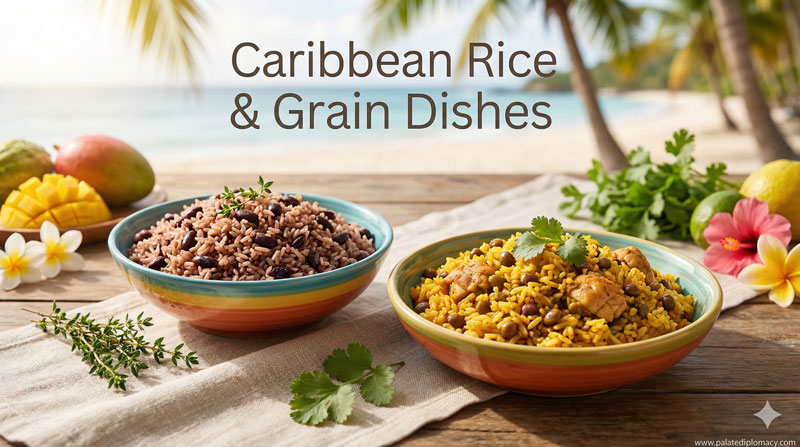
The soul of pelau comes from a few reliable stars. Long-grain rice, pigeon peas, and a choice of meat form the core. In many kitchens, chicken takes the lead, but beef or pork are cherished alternatives. Aromatics such as onions, garlic, thyme, and scallions fuse with peppers for bright, lively fragrance. Optional coconut milk adds a gentle creaminess, while a touch of browning sugar gives color and a subtle caramel note. Together, these ingredients create a dish that feels rustic yet refined, simple yet deeply flavorful. Each bite echoes a careful balance of texture and taste that Caribbean cooks aim for.
The One-Pot Technique and Flavor Building
Pelau shines in its cooking method. First, meat is seasoned, then browned in oil with a small amount of brown sugar to form a glossy, caramelized surface. This step unlocks a deep, sweet-savory foundation. Next, aromatics enter the pot, releasing perfume as they soften. Rice and pigeon peas join the mix, followed by liquid—water or coconut milk—that brings gentle steam and depth. As everything simmers together, the grains plump, the peas stay tender, and the meat becomes tender through the heat and time. The one-pot approach makes pelau feel honest and approachable, a cooking craft that rewards patience and careful stirring. Clear transition words guide the process, and the result is cohesive, with each element supporting the others.
Cultural Moments and Everyday Life
Pelau is woven into daily life as well as special occasions. It appears on Sunday tables, weekend picnics, and festive gatherings, where families come together to cook, laugh, and share. The dish invites conversation as the pot bubbles away. People talk about the best browning technique, the right ratio of rice to peas, and the exact moment when the steam looks right. The anticipation is part of the ritual—knowing that a pot of pelau will bring everyone to the same table. In this way, pelau strengthens bonds—between cooks, relatives, and neighbors—through the simple act of sharing a meal.
Regional Variations and Personal Touches
Across the Caribbean, pelau adapts to local tastes and ingredients. Some kitchens favor chicken, while others switch to beef or pork. The choice of peas can vary between pigeon peas and kidney beans, depending on what’s available. Coconut milk adds a tropical silkiness for many families, while others rely on water and fresh herbs to highlight brightness. Spices, including thyme and hot peppers, lend distinctive regional character. Green seasoning or fresh cilantro may appear in some versions, giving a garden-fresh finish. These variations celebrate personal touch and local abundance, while the core idea—rice, beans, meat, and a robust flavor base—remains the same. The result is a family recipe that travels from home to home, changing a little with each cook, yet always recognizably pelau.
Aroma, Texture, and Flavor Profile
The aroma of pelau is inviting from the moment the pot heats. You’ll notice caramel, roasted meat, and a glowing blend of herbs. The texture offers a joyful contrast: tender meat, fluffy rice, and whole or split peas with a gentle bite. Each mouthful carries a touch of sweetness from browning sugar, a gentle creaminess from coconut milk (where used), and the bright lift of herbs and peppers. The flavor profile balances richness and freshness, making pelau satisfying yet not overwhelming. It is a dish that invites savoring, with layers that unfold as the pot cooks.
Serving Traditions and Pairings
Pelau shines best when served with thoughtful accompaniments. A simple hot pepper sauce or a fresh chutney adds brightness that brightens the palate. Fried plantains, at a fork’s length between sweet and savory, provide a delightful counterpoint. A crisp salad or light slaw offers contrast and a cool balance to the warm, comforting main. Lime wedges bring a zing that lifts the dish just enough. When plated, pelau presents as a hearty centerpiece with generous portions for sharing, underscoring its role as a dish of togetherness.
Home Cooking Tips to Honor Pelau
For home cooks who want to honor pelau, start with quality ingredients and a calm pace. Brown the meat evenly to develop depth, then let the aroma bloom with the onions, garlic, and thyme. Use just enough liquid to let the rice cook through without steaming it into sogginess. If coconut milk is in play, add it gradually to maintain a balanced texture. Taste and adjust salt and heat toward the end, so the final bite stays harmonious. A touch of patience, attention to color, and a gentle simmer make pelau come alive in your kitchen. Remember, the beauty of pelau lies in its balance: a sturdy base, bright aromatics, and a comforting finish.
A Dish for All Seasons
Pelau suits many seasons and moods. In warm weather, its bold flavors feel refreshing on a breezy afternoon. In cooler evenings, the same pot radiates warmth and cheer. It adapts to gatherings large or small, street-side stalls or home kitchens. The dish carries a sense of continuity—recipes passed down, hands guiding the pot, and the shared joy of eating something that feels both familiar and special. This timeless appeal is why pelau remains a beloved staple across Caribbean kitchens.
Conclusion: The Heart of Caribbean Food Culture
Pelau represents more than flavor. It embodies craft, care, and community. It shows how a single pot can bring people together, celebrate local ingredients, and honor traditional techniques. When Caribbean locals savor pelau, they taste history, resilience, and a bright sense of belonging. It is a dish that invites curiosity, invites conversation, and invites everyone to share in a meal that feels like home. In its warmth, aroma, and generous sustenance, pelau stands as a cherished piece of Caribbean Food Culture—unmistakably delicious, warmly welcoming, and forever memorable.