
Introduction
Pelau holds a beloved place in Caribbean cuisine. It is a warm, inviting dish that many households prepare for gatherings and everyday meals alike. This one-pot treasure blends savory meat, caramelized sugar, coconut milk, and rice into a harmonious whole. The result is comforting, bright, and deeply satisfying. In this post, we explore what makes pelau special, focusing on cultural value and culinary significance.
What is Pelau?
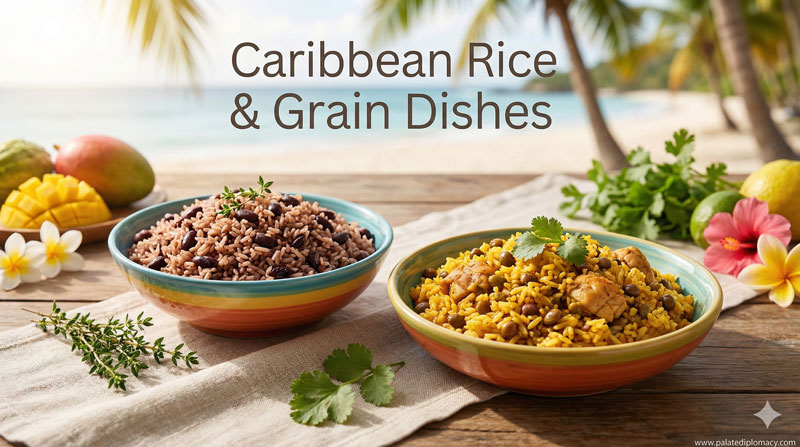
Pelau is a one-pot meal that brings together rice, pigeon peas, and meat—most often chicken—in a single pot. Aromatics, coconut milk, and spices weave through the mix. The cooking method centers on browning the meat first, then toasting the rice to build flavor before it all finishes cooking together. This approach creates layers of taste and texture. A touch of sugar or caramelized onions adds a gentle sweetness and color. The final dish offers a fragrant crust near the bottom and a tender, flavorful center. Each bite carries warmth and balance.
The Core Techniques
The key technique is browning. Searing meat builds a rich base and a subtle smokiness. Next, the rice is toasted in the pot to develop depth and nutty notes. Then, liquids—often coconut milk or stock—carry the grains to a perfect bite. A mix of herbs and spices ties the dish to the region. Green seasoning, thyme, scallions, and peppers are common additions. Stirring gently helps keep the grains separate while absorbing flavor. The pacing matters: steady heat ensures caramelization without scorching. The result is a cohesive, soulful dish that carries its own momentum.
Flavor, Texture, and Aroma
Pelau offers a flavorful spectrum. Savory meat provides depth, while coconut milk lends creaminess and aroma. The toasty rice adds a subtle nutty bite. A hint of sweetness from caramelized onions or sugar rounds the profile with warmth. Fresh herbs contribute brightness and kiss of green notes. The texture is satisfying: a crisp, lightly toasted bottom, tender meat, and fluffy rice. Aromas swirl with the scent of herbs, coconut, and roasted skin. This balance makes pelau feel both comforting and vibrant.
Cultural Value
Pelau is more than food; it is communal artistry. Families gather around the pot, sharing stories and smiles as the dish cooks. The one-pot format invites everyone to contribute, from washing ingredients to stirring gently. It honors legacies of home cooking and seasonal meals. Pelau often appears at Sunday lunches, neighborhood feasts, and celebratory occasions. It brings people together, inviting conversation as flavors unfold. The dish also reflects creativity and adaptability, with cooks shaping it to their pantry and preferences. In this way, pelau stands as a living tradition—delicate in its simplicity, rich in its memory.
Regional Variations Across the Caribbean
Across the Caribbean, pelau takes on distinct personalities. In Trinidad and Tobago, it is commonly made with chicken, pigeon peas, and coconut milk, finished with a kiss of caramelized sugar. Barbados and Grenada offer variations that spotlight local spices, peppers, and greens. Some versions favor different beans or greens, yet the core idea remains: a one-pot dish that blends meat, rice, and liquid into a unified plate. Each island adds its own herbal accord, from thyme and scallions to fragrant chives. These variations celebrate regional creativity while preserving a shared love for a comforting, nutritious meal.
Serving and Pairings
Pelau shines at room temperature or warm, making it versatile for snappy gatherings or relaxed family meals. It pairs well with simple sides that let its flavors stand out. Fresh plantains, tangy slaws, or avocado slices complement the dish nicely. A bright hot pepper sauce or a lime wedge adds a lively finish. For drinks, consider fresh fruit juice, coconut water, or a light, refreshing soda. The overall effect is a well-balanced plate that honors its core ingredients and the people who enjoy it together.
Home Cooking Tips
to Make pelau at Home, start with a well-seasoned pot and a patient eye for heat. Brown the meat evenly for depth of flavor. Toast the rice until it glints with a pale gold. Then add coconut milk and a modest amount of water or stock to reach the right texture. Fresh herbs make a big difference; use what you have on hand. If you Like a touch of sweetness, add a small amount of caramelized onion or brown sugar. Finally, let the dish rest briefly after cooking to allow flavors to settle.
Conclusion
Pelau stands out for its soulful balance of technique, taste, and togetherness. It is a dish that invites curiosity and warmth, whether shared with family at home or enjoyed in a festive setting. The beauty of pelau lies in its simplicity and its versatility. It reminds us that great food often comes from careful browning, thoughtful layering, and a generous spirit of sharing.