
Top Reasons Caribbean Locals Love Pelau
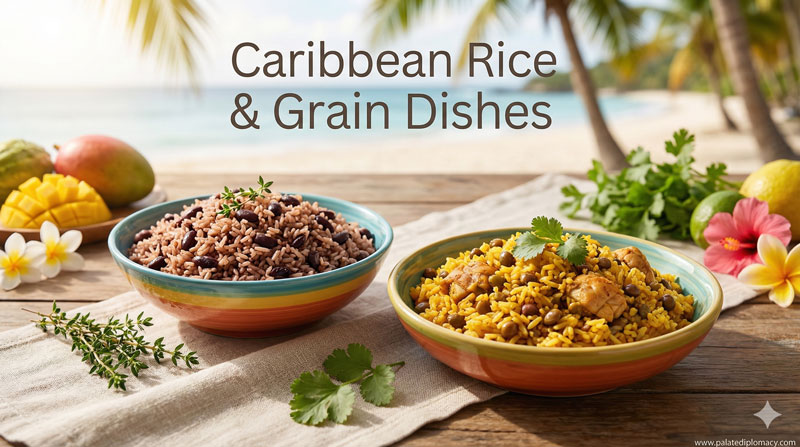
Pelau stands as a bright thread in Caribbean dining. Locals flock to its warm scent, the sight of a bubbling pot, and the way a single dish holds many stories. Here are the Top Reasons Pelau earns its place at family tables and in neighborhood kitchens. First, it is a one-pot wonder that feeds many with ease. Second, the browning of meat and the kiss of coconut milk fuse into a deep, inviting flavor. Third, the dish balances sweetness and savoriness in a way that welcomes new and seasoned palates alike. Fourth, it invites creativity, letting cooks use local ingredients and personal touches. Finally, Pelau carries tradition through every family gathering, market stall, and festival meal.
What Pelau Is and How It Connects to Everyday Life
Pelau is a hearty, stove-top dish built on protein, rice, and legumes. It often features chicken, but beef or turkey appear as well. Pigeon peas or beans mingle with the grains, all kissed by coconut milk and spices. A touch of caramelized sugar colors the meat and deepens the aroma. The technique blends careful browning with slow simmering, allowing flavors to meld. This method speaks to everyday life in the Caribbean: simple ingredients, careful preparation, and a pot that becomes a centerpiece at shared meals. The result is comforting, filling, and easy to adapt.
A Symphony of Flavor and Texture
Pelau delivers a multi-layered experience. The exterior of the meat gains a savoury crust from caramelization, while the rice becomes fluffy and aromatic from coconut milk and the pot’s steam. Pigeon peas add gentle bite and heartiness. Spices—garlic, onion, thyme, and peppers—lend brightness without overpowering the dish. The texture ranges from tender meat to tender grains, with a hint of smoky sweetness lingering after the last bite. This combination makes Pelau a dependable favorite for lunch, dinner, or a festive gathering.
The Cultural Value of Shared Meals
Across Caribbean kitchens, Pelau is a social dish. It travels from家kitchen to lively market stalls, where cooks steward a pot that many hands have stirred. Families celebrate birthdays, anniversaries, and everyday moments with a pot of Pelau at the center. It invites conversation, slows time, and honors the effort of the cook. The act of serving Pelau—whether ladled onto plates at Home or shared in a communal bowl at a street corner—embodies hospitality. In every season, Pelau says: you are welcome here, and you belong at the table.
Regional Twists and Culinary Signatures
Pelau wears many regional flavors. In some places, coconut milk and pumpkin balance the dish’s richness; in others, a brighter pepper and thyme note marks the profile. Variations may swap pigeon peas for other legumes or adjust the meat choice to reflect local preferences. These small shifts highlight the dish’s adaptability and its role as a canvas for regional pride. Yet the core remains the same: a one-pot meal that brings people together through aroma, flavor, and shared experience.
Practical Tips for Celebrating Pelau at Home
To honor Pelau’s cultural heart, start with fresh ingredients and a well-seasoned pot. Brown the meat slowly to build depth, then add aromatics and coconut milk. Stir in the rice and peas, cover, and simmer until the grains are tender. Taste and adjust salt and spice, then let the dish rest briefly before serving. Pair it with light sides like fresh vegetables or a bright chutney to contrast the richness. Most of all, cook with patience and share generously—these are the qualities that keep Pelau thriving in homes and hearts.
A Warm Invitation to Enjoy Pelau
Pelau invites you to slow down, savor, and celebrate togetherness. It is more than a dish; it is a cultural practice that honors family, community, and everyday joy. Whether you are tasting it for the first time or enjoying a familiar plate, Pelau offers a comforting reminder of the beauty of Caribbean food culture. Consider making it a centerpiece for your next gathering, and let the aroma guide your guests to the table.