
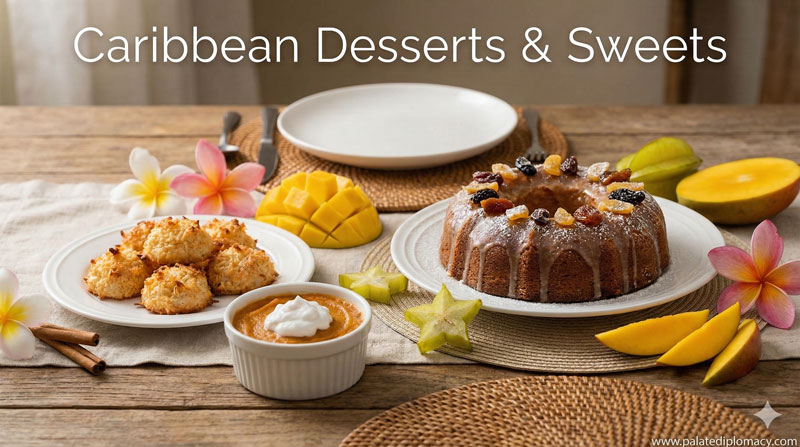
Rum cake has a way of turning a simple bite into a memory. Travelers worldwide are discovering its warmth and charm, and they carry that experience back into their everyday meals. This post explores why rum cake holds such cultural value and culinary significance. It highlights how the dish speaks to shared stories, craft, and regional flavors without leaning into politics or controversy.
The Allure of Aroma and Texture
A great rum cake greets you with a fragrance that feels Like a welcome hug. The aroma blends spices, molasses, citrus, and a hint of dark rum, inviting curiosity before the first slice is even cut. The texture follows suit: a moist, tender crumb that holds moisture without becoming dense. Each bite releases sweetness balanced by warmth, with a gentle bite of spice that lingers pleasantly on the palate. For travelers, this sensory sequence signals comfort and celebration, a cue that a place takes pride in its baking. The cake becomes a passport of flavor, easily recognized yet endlessly adaptable to personal taste.
Craft and Technique That Travel Well
Rum cake shines because its technique honors time, precision, and care. Bakers often layer flavors through careful soaking and glaze, allowing the fruit, spice, and rum to mingle. The result is a cake that stays moist for days, making it ideal for journeys, picnics, and table-long gatherings. Regional twists—like a glaze that intensifies with citrus zest or coconut notes, or a cake enriched with dried fruit accents—enhance its character while preserving the core sensibility: balance, depth, and a consistent crumb. Travelers appreciate this reliability, as the cake maintains its personality from bakery to banquet, from seaside market to mountain lodge.
A Dish That Celebrates Sharing
Culinary traditions grow through shared moments, and rum cake often centers those moments. It appears at family celebrations, neighborhood gatherings, and festival spreads, where guests slice generous portions and pass the cake around with a smile. In these settings, the cake is less about individual gain and more about collective experience. The ritual of serving, the clink of forks, and the quiet appreciation of aroma all contribute to a sense of place. This social dimension is a key facet of its cultural value: a dessert that invites conversation, memory-making, and mutual enjoyment.
Regional Variations: Local Flavors, Global Appeal
While the essence remains the same, regional interpretations of rum cake reveal a landscape of culinary imagination. In some places, bakers favor a deeper molasses note and a darker rum for a robust finish. In others, light rums mingle with bright citrus or tropical coconut for a sunnier, more delicate profile. Some versions incorporate nuts, dried fruit, or spice blends like cinnamon and nutmeg to create a warm, comforting aroma. This variety demonstrates how a single cake can echo local ingredients and tastes while maintaining a shared backbone of texture and moisture. For travelers, sampling these variations is like reading a culinary postcard from each stop, a tangible record of the place’s pantry and palate.
Travel Moments: Markets, Bakeries, and Festive Tables
Travelers encounter rum cake in many settings: a seaside bakery with glass cases gleaming under sunlit streets, a bustling market stall where the cake is sliced on the spot, or a hotel pastry cart offering a refined presentation. In each context, the cake acts as an edible ambassador, inviting conversation about place, technique, and preference. The aroma often signals a moment of pause amid travel—an invitation to slow down and savor. Festivals may feature special versions or seasonal twists, turning tasting into an event rather than a solitary bite. These moments accumulate into a traveling palate: a repertoire of how the cake can express the spirit of a moment, a place, or a celebration.
Pairings, Serving, and the Everyday Joy
Rum cake pairs beautifully with a range of accoutrements, which adds to its versatility on the road and at home. A simple cup of coffee or a mellow black tea can carry the cake’s sweetness without overpowering it. For a more festive pairing, a dessert wine or a glass of aged rum can echo the cake’s flavors, creating a festive harmony that enhances the experience. The cake also adapts well to serving styles—from neat slices on a plate to a crumbled topping over ice cream. These flexible pairings make it accessible for travelers and locals alike, inviting experimentation and personalization.
A Quick Guide to Savoring Rum Cake
- Look for a balanced crumb: moist yet light, with a uniform texture.
- Notice the aroma first; let it awaken your sense of place.
- Taste gradually: start with a small bite to gauge sweetness and spice.
- Explore regional twists to discover local character.
- Pair with a warm drink to extend the experience.
The Cultural Value and Culinary Significance
Rum cake stands out for its ability to bridge everyday eating with meaningful moments. It embodies hospitality, craft, and regional identity in a single slice. The cake’s moisture, spice, and gentle sweetness reflect a culinary philosophy that favors generosity and balance. Its variations showcase how cooks respond to local ingredients while preserving a shared method and memory. For travelers, it becomes more than dessert: it is a portable piece of culture, a way to remember a place, and a reason to return.
In sum, the popularity of rum cake among travelers rests on its inviting aroma, reliable texture, and capacity to adapt without losing its heart. It invites participation—sharing, sampling, and pairing—creating small, joyful rituals wherever the journey takes you. If you seek a dessert that speaks to place, craft, and communal pleasure, rum cake offers a delicious, respectful invitation to listen, savor, and return.