
Introduction
Everything You Need to Know About Caribbean Fusion Bowls invites readers to explore a dish that blends bright Caribbean flavors with global kitchen sensibilities. This bowl concept is easier to love when you see the beauty in its color, aroma, and balance. It is a celebration of fresh ingredients, careful technique, and the way shared meals bring people together around a table. The goal here is simple: to highlight the cultural value and culinary significance of Caribbean fusion bowls, and to illuminate how they fit into everyday cooking as a joyful, respectful expression of flavor.
What Are Caribbean Fusion Bowls?
Caribbean fusion bowls are multi-layered, customizable meals built in a single bowl. They start with a sturdy grain or vessel, then add protein, vegetables, tropical fruits, and a bright sauce or dressing. The result is a harmony of sweet, savory, spicy, and tangy notes. The fusion element comes from thoughtful pairings that respect Caribbean staples—like rice, beans, plantains, jerk seasoning, coconut, lime, and fresh herbs—while inviting influences from nearby cuisines. This approach honors tradition while inviting new textures and techniques, making each bowl a unique story of cooking.
Core Flavors and Techniques
Three pillars define Caribbean fusion bowls. First, balance: sweet fruits or tropical notes mingle with smoky, savory elements, creating a vibrant flavor spectrum. Second, brightness: citrusy dressings, jalapeño heat, and fresh herbs lift the dish. Third, texture: creamy avocado, crisp vegetables, tender grains, and crunchy toppings bring interest with every bite.
Key techniques support these pillars. Marinating proteins in jerk spice, citrus, and olive oil adds depth without overwhelming other components. Grilling or pan-searing develops a smoky edge. Coconut milk or lime-tinted dressings tie flavors together with a silky finish. Roasting plantains or sweet potatoes introduces caramelized sweetness. Finally, proper assembly matters: placing cool, crisp toppings over warm elements creates a pleasing contrast and a balanced dining experience.
Cultural Value and Culinary Significance
Caribbean fusion bowls showcase a spirit of culinary curiosity and communal cooking. They honor traditional ingredients—rice, beans, plantains, fresh herbs—while inviting cooks to experiment with textures and global influences. The bowls become a conversation on a plate: a way to explore color, seasonality, and regional produce in a single meal. They celebrate hospitality by inviting everyone to customize their bowl, sharing the joy of choosing flavors and textures together.
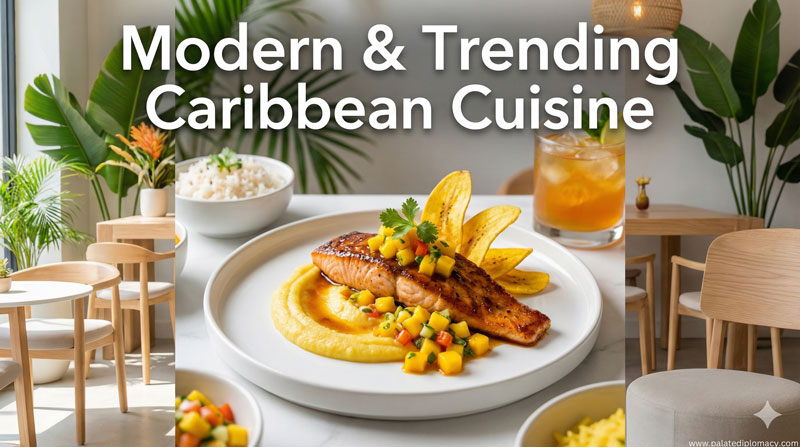
This dish also highlights practical artistry. The color palette—tangerine mango, emerald avocado, golden plantain, deep green herbs—appeals to the senses before the first bite. The rhythm of flavors mirrors the energy of markets and kitchens where bright produce finds its way into everyday meals. In this way, Caribbean fusion bowls become a bridge between home cooking and professional kitchens, encouraging creativity while respecting core Caribbean ingredients and preparations.
Ingredient Spotlight
- Grains and bases: white rice, brown rice, quinoa, or a coconut-rice blend provide a creamy, neutral foundation that soaks up sauces.
- Proteins: jerk chicken, grilled fish, shrimp, or plant-based options like chickpeas or tofu offer versatility and flavor depth.
- Vegetables: roasted peppers, fresh greens, red onion, shredded cabbage, and avocado add color and crunch.
- Tropical accents: mango, pineapple, papaya, and lime bring brightness and sweetness that balance heat and savoriness.
- Textural toppings: fried plantains, roasted corn, toasted nuts, or seeds add crunch and richness.
- Sauces and dressings: lime-cilantro crema, mango vinaigrette, jerk-yogurt drizzle, or coconut-lime dressing tie everything together with a lively finish.
Bullet ideas for quick reference:
– Base: rice or grain that holds shape.
– Protein: seasoned, grilled, or roasted.
– Veggies: crisp and roasted varieties for contrast.
– Fruit: fresh fruit to echo tropical flavors.
– Finish: a bright dressing and a crunchy topping.
How to Assemble a Caribbean Fusion Bowl
- Start with a warm base in your bowl to wake up the grains.
- Add a protein that fits the mood of the day.
- Layer colorful vegetables for texture and nutrition.
- Tuck in tropical fruit and fresh herbs for lift.
- Drizzle a lively sauce and finish with a crisp topping.
This sequence preserves warmth, texture, and balance, allowing each bite to carry multiple flavors without overpowering others.
Serving Ideas and Pairings
Caribbean fusion bowls pair beautifully with fresh beverages like citrus-ginger water, coconut water, or a light fruit juice. For a shared table, place bowls in the center and let guests customize their toppings. A bright, herb-forward garnish—cilantro, chives, or mint—adds a fragrant finishing note. In more formal settings, serve bowls with a simple side salad and a modest starter that echoes the bowl’s flavors, keeping the dining experience cohesive and approachable.
Sustainability and Local Sourcing
Choosing seasonal produce and locally sourced proteins enhances flavor and supports local growers. When possible, select ingredients grown nearby to reduce transport time and maximize freshness. This practice not only tastes better but also aligns with thoughtful cooking and responsible sourcing, which many home cooks and professional chefs value for their consistency and quality.
Final Thoughts
Caribbean fusion bowls are more than a meal; they are a versatile culinary canvas. They honor the bright, sunny flavors of Caribbean cooking while inviting cooks to experiment with complementary influences. The result is a dish that is colorful, nourishing, and endlessly adaptable. By focusing on balance, freshness, and texture, these bowls celebrate the beauty of food as a shared experience. Whether you are cooking for one or a crowd, Caribbean fusion bowls offer a warm invitation to explore, create, and savor the rich world of modern Caribbean-inspired cuisine.