
A Bright Introduction to Ackee and Saltfish
Ackee and saltfish is a beloved Caribbean dish that many locals reach for with a smile. It signals comfort, welcome, and a shared meal. The dish blends the glow of yellow ackee with the briny bite of saltfish, creating a harmony that feels like home. It is a frequent centerpiece for weekend breakfasts, family gatherings, and quiet dinners alike. The aroma invites conversation, and the flavors invite careful savoring. This dish stands as a daily celebration of the region’s Food Culture, rooted in simple ingredients and careful preparation.
The Key Ingredients and What They Bring
Two core ingredients carry the dish’s identity: ackee and salted cod. Ackee, when ripe and prepared properly, yields a creamy texture and a sunny yellow hue that brightens the pan. Saltfish provides a gentle brininess and structure, flaking into soft shreds as it cooks. Added aromatics—onions, bell peppers, thyme, and a touch of garlic—build a fragrant base. A light splash of oil helps everything mingle, while peppers or a hint of scotch bonnet add gentle heat for balance. Together, these elements create a dish that feels both bright and comforting, with layers you can discover in each bite.
Flavor, Texture, and Cooking Genius
The dish sings when the pieces stay distinct yet unify in a soft, creamy sauce. The ackee offers a delicate, almost custard-like bite that contrasts with the flaky saltfish. The onions and peppers bring sweetness and color, while thyme adds garden-fresh aroma. The result is a balance of creamy, briny, and gently spicy notes. This is a dish that rewards patience in the pan and care in timing. It shines most when the ingredients are allowed to mingle, and the heat is kept steady enough to coax out their natural flavors without overpowering them.
The Cultural Hearth: Family, Hospitality, and Everyday Life
Ackee and saltfish is more than a recipe; it is a daily story of home and hospitality. In many households, the dish is tied to the rhythm of family life—shared morning meals, weekend gatherings, and the open-door feeling of a kitchen that welcomes guests. It often appears at celebrations of little milestones and everyday moments alike. The way a family carves out time to prepare it, the pride in selecting fresh ingredients, and the shared joy of tasting together all contribute to its cultural value. The dish embodies a sense of belonging and care, a comforting thread that runs through daily life.
Caribbean Variations: Island to Island
Across the Caribbean, cooks adapt ackee and saltfish with their own local touches. Jamaica remains a heartland for the dish, infusing it with herbs and peppers cherished in home kitchens. In Barbados, Trinidad and Tobago, and nearby islands, cooks may add different herbs, tweak the heat level, or pair the dish with distinct sides like dumplings, plantains, or local breads. You might find a version with chopped tomatoes for brightness or extra thyme for a fragrant lift. Each variation keeps the core idea intact—a bright, briny, creamy blend—while reflecting the palate and produce of the place. The result is a family of dishes rooted in a shared idea, yet diversity in expression that adds to the overall beauty of Caribbean cooking.
The Ritual of Preparation: Steps, Care, and Craft
Preparation centers on balance and timing. Saltfish is typically rinsed and gently cooked to reduce excess salt, then flaked into soft pieces. Ackee should be fully ripe and prepared with care to unlock its creamy texture without turning mushy. The aromatics are softened first, creating a fragrant base. Saltfish and ackee join the pan, and the heat is kept moderate so the eggy-cream color of the ackee stays intact. This careful choreography of ingredients is part of what makes the dish feel ceremonial, even in everyday kitchens. The result is a dish that rewards mindful preparation with a clean, inviting plate.
Serving, Pairings, and Table Moments
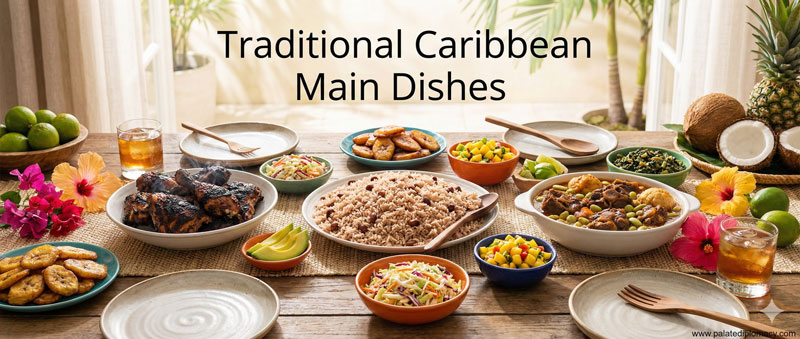
Locals often pair ackee and saltfish with sides that showcase regional flavors. Rice and peas or plainly boiled rice helps the sauce shine. Fried dumplings, festival, or fried plantains add texture and a touch of sweetness or crispness. In some homes, callaloo or boiled yam complements the dish beautifully. The serving style invites sharing, with a platter that invites guests to choose their perfect bite. The table becomes a simple stage for conversation, laughter, and the joy of a well-made meal.
A Living Tradition in Modern Kitchens
Today, home cooks and chefs alike celebrate ackee and saltfish as a living tradition that adapts with time. Fresh markets, accessible canned ackee, and local spices keep the dish vibrant and relevant. Creative cooks explore lighter versions, richer textures, or novel pairings, all while honoring the dish’s core identity. The dish remains a welcome emblem of Caribbean food culture—inclusive, flavorful, and endlessly approachable. It invites people to explore, taste, and share, reinforcing the sense that food is a bridge between kitchens, neighborhoods, and memories.
Closing Thoughts: Why Locals Return to This Dish
Ackee and saltfish endures because it speaks to the senses and the heart. Its bright color, balanced textures, and comforting aroma create an instant sense of welcome. The dish celebrates fresh ingredients, careful technique, and the joy of sharing a meal with others. It stands as a warm reminder of home, community, and daily delight. For Caribbean locals, it is not just sustenance; it is a celebration of flavor, family, and the beauty of everyday cooking.