
Origins and Allure
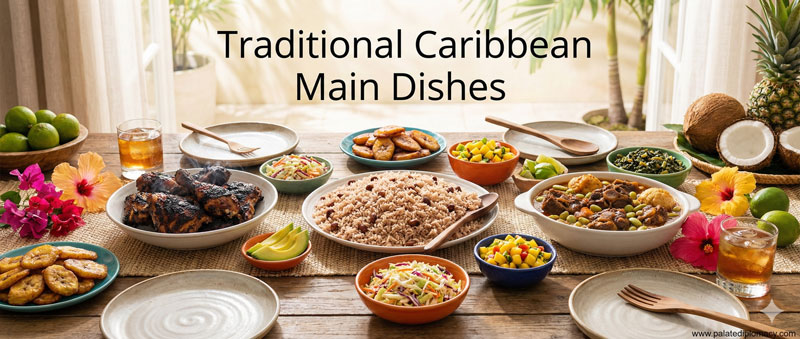
Jerk chicken opens with a scent that invites you to pause. In many Caribbean markets, the crackle of flames and the bright aroma of spices tell a story of craft and care. The dish began as a practical method of seasoning meat with bold heat and deep smoke, and it quickly grew into a beloved expression of kitchen skill. Across the islands, cooks have embraced jerk for its brisk energy and its ability to transform simple chicken into a festive, flavorful centerpiece. The charm lies in the balance: heat that lifts the senses, sweetness that rounds the bite, and smoke that lingers with every mouthful.
The Spice Blend: Heat with Herbal Balance
The hallmark of jerk chicken is the spice blend. A well-balanced mix highlights heat from peppers, warmth from aromatic spices, and a fresh note from herbs. Key elements often include a peppery punch from scotch bonnet or habanero, and the fragrant warmth of allspice (pimento). Thyme, garlic, scallions, and onion bring brightness and depth, while salt and a touch of sweetness harmonize the profile. Some cooks add nutmeg or cinnamon for a subtle warmth, always aiming for a lively, multi-dimensional aroma. The blend is as much about aroma as it is about heat, inviting the eater to taste the whole garden of flavors in every bite. The spice mix travels easily between kitchens, yet each cook adds a personal touch, making every jar of jerk seasoning a small passport to a home kitchen.
The Cooking Method: Fire, Smoke, and Patience
Jerk chicken shines when it meets fire. The traditional method uses a low, steady heat and a generous puff of smoke to seal in juices and perfume the meat with aroma. Cooks often build a strong, open flame first, then move the chicken to a cooler area or a dedicated pit so the meat cooks through without burning. The skin crackles, and a glossy glaze forms from the marinade as the meat gains a subtle char. Marinating times vary, but patience is key: longer marination deepens the spice, while careful control of heat ensures tenderness. The result is meat that remains juicy inside, with a crisp, flavorful exterior that tells a story of flame life and careful timing.
Regional Voices: From Jamaica to the Wider Caribbean
Across the Caribbean, jerk chicken travels beyond its roots while keeping its core spirit. In Jamaica, the tradition centers on strong heat and smoky singe, with a focus on whole-spice blends and wood-smoke. In neighboring islands, cooks adapt the method to available ingredients and local tastes, creating versions with milder heat, additional herbs, or alternative marinades. Some kitchens favor drumsticks for easy handling and generous portions, while others experiment with different cuts or alternate cooking vessels. What remains consistent is a shared love of a bold, bright flavor that invites conversation, sharing, and a sense of communal eating. The dish becomes a common thread among island cuisines, each version offering a new voice while honoring the same spirit of fire, flavor, and friendly boldness.
Cultural Value: Family, Market, and Celebration
Jerk chicken holds a special place in family kitchens and street-food stalls alike. It is a dish that welcomes neighbors, invites gatherings, and marks celebrations. The simple act of preparing jerk at Home can become a ritual: selecting peppers, grinding spices, and watching a kettle or grill glow with anticipation. In markets and roadside stands, the dish becomes a social moment—neighbors trade tips, swap stories, and gather around the scent of smoke. This shared ritual of cooking and tasting strengthens community ties and creates memories around meals. The dish also teaches respect for technique: a balance of heat, timing, and care shows how culinary craft can elevate everyday ingredients into something memorable.
Modern Popularity: From Streets to Shorelines and Festivals
Today, jerk chicken travels far beyond its original stalls. Restaurants across the Caribbean and beyond celebrate its bold profile, offering versions that highlight local produce and contemporary techniques. Home cooks have embraced jerk as a reliable crowd-pleaser, with marinades and grilling methods that suit balcony bars and backyard gatherings alike. Festivals and culinary events celebrate the dish as a symbol of flavor, skill, and regional pride. The aroma of jerk appears on menus, at food markets, and in cooking shows, inviting new audiences to explore the savory dance of spice and smoke. The dish remains approachable yet inspiring, inviting experimentation while honoring tradition.
Practical Tips: Recreating the Magic at Home
If you want to savor jerk chicken at home, start with a plan that respects the essential balance of heat, sweetness, and smoke.
- Choose bone-in chicken for juicier meat and better flavor absorption.
- Prepare a bold spice mix with allspice, thyme, garlic, scallions, and scotch bonnet or a milder pepper if desired.
- Marinate for several hours or overnight to let the flavors meld.
- Grill over steady heat, finishing with a touch of indirect heat to keep the meat tender.
- Don’t rush the smoke; a slow, even flame helps build that signature aroma.
- Serve with fresh sides like rice and peas, roasted vegetables, or a bright salad to balance the heat.
The Beauty of the Dish in Food Culture
Jerk chicken embodies the beauty of Caribbean cooking: it blends heat with harmony, technique with warmth, and tradition with personal touch. The dish invites curiosity, invites sharing, and invites appreciation for the craft of seasoning and flame. In everyday meals and festive occasions alike, jerk chicken offers a sense of place and a Taste of community. Its appeal lies not only in the moment of eating but in the careful preparation, the care in the spice blend, and the patient art of cooking with fire. Side by side with other regional favorites, jerk chicken stands as a glowing example of how fragrance, texture, and flavor can come together to celebrate culture, skill, and the joy of gathering.
If you step into a Caribbean kitchen or market, you’ll often hear the whisper of smoke and see a crowd gathered near the grill. The dish has traveled with love and curiosity, becoming a culinary ambassador of sorts. It invites everyone to taste, explore, and remember that great food is a conversation between cook, fire, and community. In that conversation, jerk chicken remains a bright, welcoming voice—steady, flavorful, and forever a part of the region’s rich food landscape.