
What Makes Oxtail Stew Special in Caribbean Cuisine
Oxtail stew in Caribbean cuisine feels Like a warm embrace from the kitchen. It invites the senses with a glossy sauce, tender meat, and a fragrance that fills a room. This dish is more than a meal; it is a gathering around the stove, a ritual of time, patience, and care. The beauty of oxtail stew lies in how simple ingredients unite to create something deeply satisfying. Each bite carries the memory of slow cooking, seasoned hands, and shared tables.
The Flavor Profile of Caribbean Oxtail Stew
The heart of the dish is the oxtail itself. When browned, it releases a rich, beefy sweetness that anchors the sauce. Then come aromatic friends: onions, garlic, and peppers that wake the palate. Fresh thyme and a pinch of allspice bring warmth and a subtle complexity. Some cooks add a touch of browning to deepen color and flavor, while others rely on a long simmer to coax color naturally from the meat. Tomato, carrots, and sometimes beans enrich the stew, giving body and a gentle sweetness. The result is a balance of savory, peppery, and slightly sweet notes that linger pleasantly after the meal ends.
In Caribbean kitchens, a kiss of heat often arrives through a scotch bonnet or a milder pepper, just enough to lift the flavors without overpowering them. Citrus accents, like a splash of lime at the end, brighten the dish and highlight its freshness. The sauce becomes a silky tapestry, where the collagen from the bones and connective tissue thickens into a glossy finish. This is not a hurried sauce; it drinks from the pot’s time, gaining depth with every hour of gentle simmer.
The Cooking Craft: From Sear to Simmer
First, sear the oxtail pieces to brown their surfaces. The caramelization traps flavor in the meat’s edges. Next, remove the pieces and soften onions, garlic, and peppers in the same pot. Deglaze with a splash of stock or water, lifting the browned bits from the bottom. Then return the oxtail to the pot, add enough liquid to cover, and let the slow simmer begin. A gentle flame or a low oven keeps the temperature steady, encouraging connective tissue to melt and flavors to mingle.
Additionally, time is the main ingredient here. Some cooks use a pressure cooker to shorten the process without sacrificing tenderness; others prefer a long, slow braise that can stretch over several hours. Either method works when care remains the guiding force. Throughout cooking, tasting and adjusting salt, heat, and acidity helps keep the stew balanced. Fresh herbs added toward the end preserve brightness and aroma. In short, the craft lies in patient layering, attentive seasoning, and steady heat.
Texture: The Soul of the Dish
Texture tells the story of oxtail stew. The meat should be succulent and nearly fall-apart tender, yet the bones lend a gentle chew that stays with the bite. The sauce thickens into a luxurious glaze, coating each piece with a velvet sheen. If beans are included, they contribute a creamy bite that contrasts with the meat’s texture. The balance between tender meat and a rich, slightly viscous sauce is where the dish shines. When plated beside soft rice or dense dumplings, the contrast of textures becomes part of the experience.
Cultural Value: Shared Tables and Comfort
The dish carries a cultural footprint in Caribbean dining that is rooted in togetherness. It often graces Sunday meals, family gatherings, and celebratory feasts. The preparation itself is a social ritual: family members may chop, season, and monitor the pot, passing time with stories as the aroma builds. The stew becomes a bridge between generations, passing on techniques, tips, and secret flavor tweaks. Serving oxtail stew with rice and peas, dumplings, or fried plantains creates a complete meal that invites conversation and shared enjoyment. The beauty of the dish is in its ability to anchor a table with warmth, generosity, and a sense of place.
Regional Variations Across the Caribbean
Across Jamaica, Trinidad and Tobago, Barbados, and other islands, oxtail stew shows a lively array of styles. In Jamaica, the dish is often enriched with allspice and thyme, with a focus on a thick, glossy sauce and a bold, comforting character. In other Caribbean kitchens, herbs and peppers are used to create a slightly lighter, brighter finish, while still maintaining depth. Some cooks add butter beans or kidney beans for a heartier bite, while others keep the stew leaner for a purer beef flavor. The constants are the slow braise, the layering of aromatics, and the sense of togetherness that accompanies the meal. Each variation speaks to local tastes, climate, and family traditions, yet all share the same core: oxtail transformed through patience into something greater than the sum of its parts.
Practical Tips for Home Cooks
- Sear the oxtail well to build flavor. Don’t rush this step.
- Use a braising liquid that complements the meat—stock, a splash of water, and a touch of tomato or vinegar can all work.
- Layer aromatics: onion, garlic, peppers, thyme, and allspice. Add bright herbs near the end.
- Cook low and slow. If you’re short on time, a pressure cooker can deliver tenderness quickly; if you have hours to spare, a classical slow braise rewards patience.
- Finish with a splash of acidity (lime or a mild vinegar) to lift the richness.
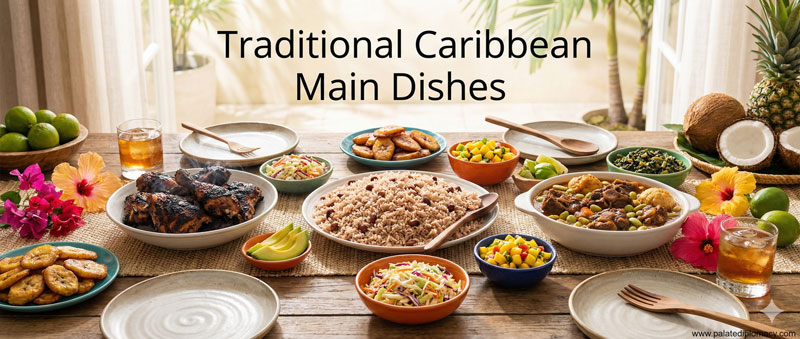
- Pair thoughtfully: rice and peas, simple dumplings, or fried plantains let the stew shine without crowding the plate.
Serving Ideas and Pairings
- Rice and peas or plain white rice helps soak up the sauce without overpowering the dish.
- Dumplings—whether soft and fluffy or dense and doughy—offer a comforting contrast in texture.
- Fried plantains or ripe processing bananas add a sweet counterpoint that balances the savory richness.
- A light salad or fresh slaw can provide a crisp counterbalance to the steamy, soft textures.
A Final Note on Enduring Appeal
Oxtail stew remains a beloved staple because it invites slow cooking, mindful seasoning, and shared enjoyment. It celebrates the way simple ingredients can become deeply satisfying through technique and time. It welcomes cooks of all levels to practice patience, trust the process, and savor the result. Each spoonful testifies to the beauty of Caribbean Food Culture: a culinary conversation where flavors, textures, and memories mingle at the table. In the end, oxtail stew is more than a dish; it is a comforting tradition that continues to charm palates, nourish gatherings, and honor the love of good cooking.