
Introduction
Curry goat is more than a dish. It is a celebration of scent, texture, and shared moments at the table. In many Caribbean kitchens, this recipe signals comfort, hospitality, and joy. The meat grows tender in a warm bath of spices, while the kitchen fills with a spicy, herbal fragrance. For locals, enjoying curry goat is an invitation to slow down, savor, and connect through food. This guide invites you to explore the flavors, textures, and cultural delight of curry goat, and to experience it Like a friend who knows the land where it thrives.
Origins and Flavor Profile
Curry goat combines two timeless culinary traditions: the robust, lean meat of goat and the bright, layered spice blend of curry. The goat’s character—slightly gamey, deeply flavorful—receives its partner in curry, thyme, and aromatics. The result is a dish with warmth and brightness in equal measure. A classic Trinidadian, Jamaican, or Barbadian curry goat leans on a curry powder blend that may include turmeric, coriander, cumin, and fenugreek, balanced with allspice, hot peppers, and fresh herbs. The cooking process softens the meat, letting those spices carry the fragrance to every bite. The aroma is inviting: a hint of garlic, onion, and pepper; a wisp of thyme; and a subtle creamy note if coconut milk or a splash of broth is used. The flavor profile is both comforting and exciting, capable of quiet afternoons and festive evenings alike.
Key Ingredients and Techniques
Authentic curry goat rests on a few essential players. Goat meat is often cut into chunks with a bit of bone for depth. A seasoned marinade typically includes curry powder, garlic, onion, ginger, salt, and pepper. Pimento seeds (allspice) and fresh thyme give a warm, earthy backbone. Scotch bonnet or other hot peppers provide a bright, lingering heat—used thoughtfully to enhance, not overwhelm. For body and richness, cooks may add coconut milk or a little oil and simmer with water or stock until the meat becomes fork-tender. In some kitchens, a brief browning of meat in a hot pot creates a rich fond, which then carries the flavors into the simmering stage. Carrot, peppers, or okra may join the pot in some regional takes, offering color and sweetness.
Key techniques center on patience and balance. First, the meat is seasoned and allowed to marinate briefly, intensifying the spice notes. Next, the curry powder is toasted in oil to awaken its aroma. Then comes the sear, which adds color and depth. Finally, slow braising transforms the goat into succulent, tender morsels that easily pull from the bone. Stirring gently, checking the liquid level, and letting flavors mingle over a gentle simmer are all part of the craft. The result is a sauce that coats each piece of meat, with traces of spice lingering on the palate long after the last bite.
Cooking Methods and Step-by-Step Basics
- Start with a well-ventilated kitchen and prepare your mise en place: chopped onions, minced garlic, grated ginger, curry powder, thyme, salt, pepper, pimento, and hot pepper.
- Season the goat with salt and some of the curry powder. Let it rest briefly to absorb spices.
- In a heavy pot, heat oil and toast the remaining curry powder until fragrant, then add onion, garlic, and ginger. Sauté until the onion is soft.
- Add the goat and sear until browned. Stir in thyme, pimento, and hot pepper.
- Pour in enough water or stock to cover the meat. Bring to a gentle simmer.
- Cover and braise slowly until the meat is tender, checking occasionally. If a creamy texture is desired, stir in a splash of coconut milk near the end.
- Taste and adjust salt and heat. The sauce should be flavorful but balanced, with a smooth, coating texture.
For a bright finish, fresh herbs or a squeeze of lime can brighten the dish just before serving. If you prefer a thicker sauce, simmer uncovered for a few more minutes to reduce slightly.
Serving Traditions and Pairings
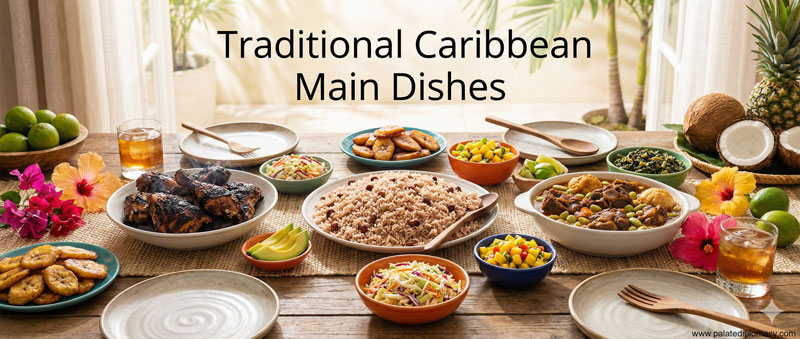
Curry goat shines when paired with accompaniments that soak up its rich sauce. The most common pairing is rice and peas, where coconut-infused rice complements the spice and carries the sauce beautifully. Roti, a thin flatbread, is another favorite, perfect for scooping and wrapping bites of meat with sauce. Dumplings or festival bread offer a comforting contrast in texture, while fried plantains provide a touch of sweetness to balance the heat. In some households, steamed vegetables or a simple side of pickled greens completes the plate with color and freshness.
When served, curry goat invites shareable portions. Spoons and forks are used in a relaxed rhythm, and friends or family often gather around the table, each contributing a small story or a compliment about the flavor. The dish works well for a family dinner, a weekend gathering, or a celebratory meal, because its warmth translates across generations and ages.
The Local Experience: Shopping and Markets
To enjoy curry goat like a local, seek fresh, well-marbled goat meat, which yields tenderness without sacrificing flavor. Local markets and butchers typically offer cuts suitable for slow cooking. Fresh herbs—thyme, garlic, and scallions—bring out the dish’s everyday practicality and fragrance. Spices play a central role; a jar of good curry powder and a small pouch of allspice can anchor your pantry for this recipe and many others. In many communities, the scent of simmering curry goat signals that a gathering is near, inviting neighbors and friends to share in the moment. Shopping with intention—choosing fresh ingredients, supporting local sellers, and selecting items that invite exploration—helps bring the authentic experience home.
Tips for Home Chefs
- If goat is hard to find, some cooks substitute lamb for a similar texture and flavor; adjust cooking time as needed.
- For lighter heat, start with a milder pepper and gradually add more hot pepper in stages to taste.
- For a creamier sauce, add coconut milk towards the end of cooking, then simmer briefly.
- Resting the meat after cooking helps it retain moisture and improves overall tenderness.
- Use fresh herbs for the best aroma; dried thyme can be used if fresh is unavailable, but fresh offers more brightness.
Cultural Value and Culinary Significance
Curry goat embodies warmth, hospitality, and skill in the kitchen. It demonstrates how everyday ingredients can be transformed through careful technique and patient cooking. The dish represents a bridge between tradition and everyday life: families bring their own twists, cooks pass down tips, and friends gather to share a meal that feels like home. Each bite speaks to a culture that loves bold flavors balanced with soothing, comforting textures. The aroma invites curiosity, the texture rewards careful chewing, and the lingering spice invites another helping. In this way, curry goat becomes more than dinner—it is a ritual of care, celebration, and connection.
Conclusion: A Dish to Treasure
Curry goat offers a compelling window into Caribbean culinary artistry. It shows how spice, meat, and time come together to create something both comforting and exciting. By understanding the ingredients, mastering the techniques, and embracing the serving traditions, you can enjoy curry goat like a local—whether at a festive table or a quiet family meal. Let the aroma guide you, the flavors invite you, and the shared moment remind you that good food is at the heart of community.