
Why Travelers Are Falling in Love with Jerk Chicken
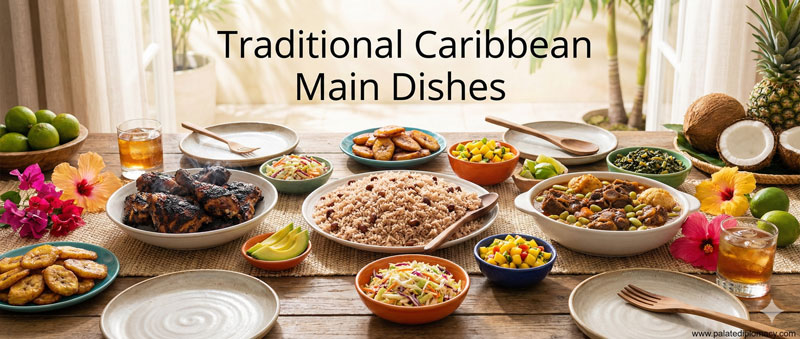
Jerk Chicken tends to win travelers with more than taste. It invites you into a moment of shared flame, aroma, and craft. The dish carries a welcoming energy that feels both familiar and exciting. The scent of spice and smoke arrives first, guiding you to a table or street stand. A crisp crust gives way to tender meat and a zing of heat. In that instant, you sense a careful balance: fire and patience, boldness and warmth. Travelers feel it as a small ceremony in every bite. The dish becomes a quick, joyful introduction to a place they are visiting for the first time.
This meal also offers a cultural heartbeat. It is not only a recipe but a practice. It brings people near to a method, tools, and timing that are passed down through kitchens and markets. The result is a sense of place you can taste. For many travelers, this is a memorable doorway into Caribbean Food Culture. The dish honors the practical skill of cooks and the generosity of communities that share food on open grills and tables. In short, jerk chicken invites curiosity and celebrates the joy of cooking together.
The Jerk Method: A Cooking Tradition
The essence of jerk is a patient balance. A marinade, a heat source, and careful timing work in harmony. The spice mix coats the meat and sets a rhythm of flavor. Then the meat rests, absorbing warmth and nuance. Finally, it cooks slowly over a steady flame, letting smoke weave through the surface. This method rewards attention: every turn of the grill, every flip, every glaze matters. The result is a glossy crust with a juicy interior and a lingering heat that invites another bite. Travelers notice this rhythm. They sense a tradition that honors technique as much as taste.
The technique is approachable yet precise. It blends technique with intuition. Some cooks use a wood flame for a smoky perfume, while others rely on charcoal for steady heat. In either case, the process emphasizes patience, care, and craft. The result is not hurried. It rewards those who watch the grill, control the temperature, and time the rest. When you taste jerk done this way, you feel the reverence for a craft that travels well from kitchen to street stand to home kitchen.
Ingredients That Carry a Caribbean Dialect
Jerk is a chorus of bold ingredients. The backbone often includes allspice, known here as pimento, and the bright heat of Scotch bonnet peppers. Thyme, scallions, and garlic layer in fresh notes, while a touch of brown sugar adds warmth rather than sweetness alone. Salt, pepper, and a hint of nutmeg or cloves can finish the profile. Each component speaks with a regional cadence, creating a well-rounded, vibrant sauce.
The ingredients are as much about aroma as flavor. The allspice seeds release a warm, resinous note that lingers pleasantly. The Scotch bonnet pepper delivers a clean heat that stays with you in a good way. The herbs brighten, anchor, and balance the spice. Travelers often remember not just the heat, but the way the fragrance fills a space. This blend is a small map of The Caribbean pantry: fresh, bright, and inviting. The result is a memorable taste with recognizable roots and a universal appeal.
A Culinary Stage: The Grill and the Market
Outdoor grills and street-side stands form a lively stage for jerk. You may find a line of curious diners watching the cook at work. The air fills with smoke and sizzle, and the rhythm of flames becomes a friendly soundtrack. Markets nearby offer fresh ingredients, herbs, and bright ideas for side dishes. The scene is convivial: neighbors chatting, travelers sampling, families sharing a meal. This setting helps people understand the dish’s cultural value. It is a social ritual as much as a feast.
In this environment, the food becomes a bridge between cooks and guests. The grill becomes a classroom, teaching technique and timing. The market becomes a gallery of colors and scents. And the table becomes a place where stories flow as freely as sauces and sides. The travel experience gains depth when diners see the craft in action and taste the results of careful preparation and generous hospitality.
Flavor as Storytelling: Heat, Sweet, and Fresh Notes
The flavor profile of jerk chicken is a story told in layers. The heat is present but never overwhelming, guiding the palate toward allspice warmth and herbal freshness. A touch of sweetness lifts the spicy notes, while citrus elements brighten the finish. The result is a balanced, memorable bite that lingers pleasantly. Each mouthful invites reflection on the care that went into marination, timing, and flame management.
Travelers often describe jerk as both comforting and exciting. It satisfies hunger and curiosity at once. The dish’s rhythm—marinade, rest, grill, rest again—reads like a well-kept tradition. This combination makes it easy to savor repeatedly and recommend to friends. The flavors work together to create a satisfying, well-rounded meal that stands up to a busy day of travel or a calm evening at a hostel or hotel restaurant.
The Travel Experience: Sights, Smells, and Shared Meals
Travelers value the multisensory invitation of jerk chicken. The scent leads you to the stall, the crust offers a pleasing texture, and the inner meat reveals tenderness. The scene around the table—talking, laughing, and sharing plates—enhances the experience. Food becomes a memory tied to place and moment. Jerk chicken supports a sense of arrival: you have found something rooted in a place, made with care, and shared with warmth.
This dish travels well in memory. It travels well in the stomach, too. The approach is straightforward enough for home cooks and refined enough for restaurant menus. The experience invites repeat visits and word-of-mouth recommendations. For curious travelers, jerk chicken marks a tasty, respectful introduction to Caribbean flavors and techniques.
A Respectful Craft: Home Cooks and Restaurants Keep the Flame Alive
Jerk is more than a recipe; it is a craft passed from one kitchen to the next. Home cooks bring family notes, adjustments, and personal touches. Restaurants refine the technique with consistency and service. Across settings, the core idea remains: do not hurry the process, honor the ingredients, and share the results with generosity. This approach keeps the flame alive and continually fresh.
Travelers meet cooks who are eager to share their method, tips, and stories. The experience remains welcoming and educational. The dish grows with each new cook who learns the marinade, the timing, and the heat. The result is a vibrant, enduring practice that travels from kitchen to grill to table, inviting new appreciation with every bite.
Conclusion: A Dish That Welcomes the World
Jerk chicken stands out for its confident flavors, its careful technique, and its social spirit. It offers a taste of a place through a simple yet powerful meal. For travelers, it serves as a friendly invitation to explore Caribbean cooking, learn about spice, and enjoy a shared plate. The dish remains inviting, respectful, and full of life. In every bite, it celebrates craft, community, and the joy of good food shared well.