
A Warm Introduction to a Caribbean Favorite
Curry goat has a bright, welcoming aroma that signals hospitality and good company. Across the Caribbean, this dish is more than a plate of protein and spice; it is a thread that ties families, markets, and kitchens together. The gentle heat of peppers, the earthy sweetness of goat, and the glow of curry mingle into a comforting memory that people carry from one table to another. The result is a dish that feels both timeless and alive, inviting conversation as much as it invites savoring. This post explores the cultural value and culinary significance of how curry goat became popular across the Caribbean, celebrating its place in everyday life and special occasions alike.
Core Ingredients: Goat Meat and Spice
Goat meat provides a lean, flavorful base that absorbs spices with patience. The meat’s texture benefits from careful preparation: a short marination or a slow browning helps deepen the flavor before it meets the curry. The backbone of the dish is the curry blend, often a Caribbean powder or a home-made masala that includes coriander, cumin, and turmeric. Fresh aromatics come in next: onions and garlic, ginger for brightness, and thyme for lingering earthiness. A bright note comes from herbs like scallion or onion greens, and a touch of heat comes from scotch bonnet or habanero peppers. Pimento berries (allspice) add warmth and a subtle, floral sweetness. Coconut milk is sometimes added for a creamy finish, yet many cooks prefer a lean, tomato- or water-based sauce that lets the spices sing. Together, these ingredients create a balance of savor, heat, and aroma that elevates goat into a dish of ceremonial warmth and everyday delight.
The Craft of Cooking: From Sear to Simmer
The technique is as important as the ingredients. Start by browning the goat to develop fond—those golden bits at the bottom of the pot that release rich flavors. Then bloom the curry and spices in oil until they release their perfume. This bloom step awakens the kitchen with a piney, peppery fragrance that invites curiosity. Next, add aromatics and the meat, letting them mingle with liquid to form a sauce that clings to every morsel. Slow simmering is key: gentle heat coaxes the meat to tender, while the spices deepen their character. Some cooks finish with a touch of acidity from lime juice or a small amount of tomato for brightness. The result is a sauce that coats the meat with a polished, glossy finish and a depth that invites careful tasting and mindful eating. The process—careful browning, fragrant blooming, patient simmering—turns simple ingredients into a dish with heart and energy.
Regional Variations: Island by Island
Caribbean curry goat wears many regional coats, each with its own signature note. In Jamaica, the dish often leans on a robust curry powder, bright thyme, and generous pepper heat, delivering a bold, comforting punch. In Trinidad and Tobago, cooks may layer more peppers and herbs, producing a vibrant, lively Curry with a clean finish. Barbados tends toward a well-balanced mix of sweetness and spice, sometimes incorporating local roots or vegetables for texture. Grenada, known as the “Island of Spice,” brings a fragrant complexity that echoes its renowned markets—nutmeg and other spices can travel through the Curry in delicate ways. Across these islands, the common thread is goat meat treated with respect, allowing the curry to carry the meat’s rich character rather than overpower it. Variations reflect local markets, seasonal produce, and family recipes, yet all share the same joy of presenting a dish that tastes of home, warmth, and celebration.
Shared Tables: Meals, Gatherings, and Rituals
Curry goat shines at regular meals as well as festive gatherings. It accompanies rice and peas, steamed or boiled, and often sits beside roti or boiled dumplings. In some homes, a large pot of curry goat is a centerpiece for Sunday family meals, a time when neighbors and relatives come together to share stories as they serve generous portions. Street stalls and market corners feature the dish as a satisfying, affordable option that still feels special. The dish also travels with guests who bring their own twists—extra peppers for those who like heat, a squeeze of lime for brightness, or a dollop of chutney to add a sweet-tan tart nuance. The social value is as important as the flavor: curry goat becomes a language of hospitality, a way to welcome, celebrate, and connect.
Pairings and Presentation: How It Finds Its Place on the Table
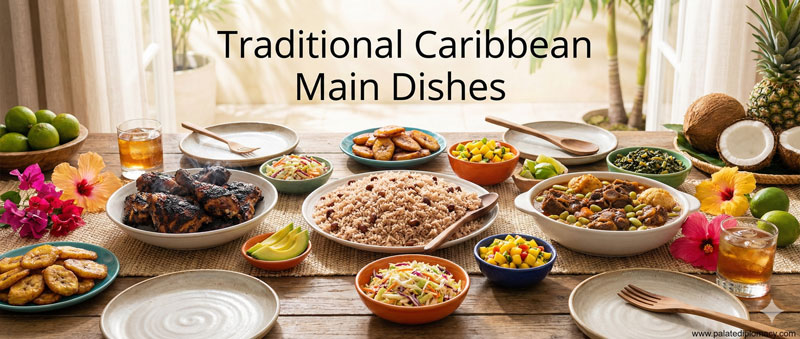
To complete the curry goat experience, cooks select accompaniments that complement its profile. Rice and peas or plain steamed rice provide a comforting starch that soaks up the sauce. Roti or flatbreads offer a hands-on way to scoop and savor every drop of curry. Plantains, dumplings, or roasted breadfruit can provide a sweet contrast to the savory, spicy profile. Fresh herbs or a light salad can offer a refreshing balance to the meal. The serving style matters too: bowls that catch the sauce, a generous spoon for the meat, and a lingering steam that signals hospitality. In every bite, curry goat demonstrates how Caribbean cooks harmonize texture, heat, and aroma to delight the senses and uplift the meal.
Modern Kitchens: Fresh Takes and Everyday Joy
Today, home cooks and chefs alike adapt curry goat to fit busy lives without losing its soul. Pressure cookers and slow cookers accelerate tenderization while preserving the signature curry aroma. Home cooks experiment with different curry blends, toppings, and vegetables, finding personal rhythms that fit family preferences. Yet the core remains the same: patient cooking, balanced seasoning, and an appreciation for ingredients that come together to create warmth. In restaurants, curry goat can be a signature dish that showcases a chef’s attention to spice balance and technique, while still honoring time-honored methods. The dish travels across kitchens with ease, inviting anyone to savor its comforting essence.
The Enduring Beauty of Curry Goat
In the Caribbean, curry goat is more than a recipe; it is a celebration of flavor, craft, and community. Its appeal lies in the way simple elements—meat, spices, aromatics—work in harmony to create a dish that feels both homey and special. It invites careful tasting and shared enjoyment, encouraging cooks to listen to spices, adjust heat, and refine texture. The dish’s popularity across the islands speaks to a culinary culture that values warmth, generosity, and the joy of a well-made meal. Whether served with rice and peas, roti, or dumplings, curry goat remains a bright, inviting ambassador of Caribbean cuisine.
If you’re inspired to try cooking curry goat at home, start with fresh goat meat, a robust curry blend, and a plan for slow, patient simmering. Let the kitchen fill with fragrance, invite conversation, and enjoy the moment when the sauce coats each piece of meat with a glossy, flavorful finish. This is the beauty of curry goat: a dish that softly tells a story of flavor, family, and shared tables across the Caribbean.