
Introduction: A Dish That Speaks of Caribbean Food Culture
Oxtail stew is a cherished part of Caribbean kitchens. It blends patience, bold flavors, and shared moments around the stove. This dish shows how simple ingredients can become something deeply meaningful. In every pot, you feel the rhythm of everyday life, the joy of cooking with friends and family, and the artistry of regional flavors. The choice of spices, the timing, and the care in every stir reveal a Taste of Caribbean Food Culture that is welcoming and alive.
The Heart of Flavor: Ingredients and Techniques
The stew starts with oxtail pieces that brown slowly in a hot pot. This searing creates a rich, caramel color and deep aroma. Next come the aromatics: onions, garlic, scallions, and thyme. A little heat from peppers adds brightness, while pimento (allspice) rounds the mix with warm, earthy notes. Beans or root vegetables sometimes join the pot, absorbing the sauce’s character. The technique is simple, but it rewards patience. Slow simmering releases gelatin from the bones and creates a glossy, silky sauce. The result is comfort with character—a dish that tastes like home and good company.
Texture and Time: The Beauty of Slow Braising
Texture is the soul of oxtail stew. The meat becomes tender, nearly melting, yet it holds its shape on the bone. The sauce thickens softly as flavors mingle, creating a mouthful that coats the palate. Time is generous here, but every minute brings a deeper harmony. The kitchen fills with spice and warmth, inviting people to gather. In this one-pot method, you see how calm, attentive cooking can turn humble elements into something refined and memorable.
Regional Voices: Variations Across Caribbean Kitchens
Caribbean oxtail stew carries regional accents. In Jamaica, the dish may lean toward bright thyme, allspice, and a touch of fresh pepper. In Barbados or Trinidad and Tobago, you might taste a richer sweetness from longer browning and a slightly thicker sauce. Each island or country adds its own touch, whether through peppers, herbal notes, or the balance of salt and sweetness. Yet the core idea stays the same: transform a sturdy cut into a dish that is comforting, festive, and deeply satisfying. This variety shows how Caribbean cuisine is diverse, creative, and always steered by local markets and seasonal produce.
Hospitality in a Pot: Cooking as Welcoming
Oxtail stew embodies hospitality. Hosts prepare it to welcome guests, celebrate a gathering, or mark a special family moment. The act of stirring and tasting together becomes a social ritual. People share stories, adjust heat, and offer seconds with warmth. The dish invites conversation and smiles, turning a meal into a memory. This sense of welcome is a key cultural thread, visible in how the pot sits at the center of the table and how everyone participates in the cooking process.
The Plate as a Social Moment: Pairings and Serving
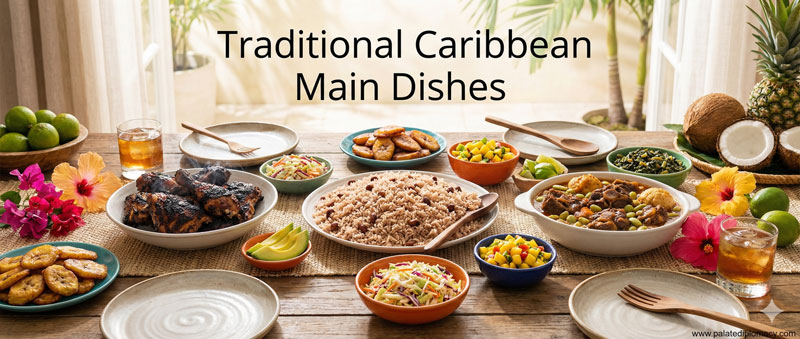
Pairings reinforce the cultural mood of the dish. A serving of fluffy rice and peas or bright, steamed vegetables balances the richness of the stew. Fried plantains or dumplings add texture and a gentle sweetness. Fresh herbs—cilantro or scallions—brighten the final plate. Sides are chosen not just for flavor, but for how they invite sharing. A good bowl of oxtail stew becomes a shared experience, encouraging conversation and kinship among diners.
Family Traditions: Craft Passed Down Through Generations
Families often treasure oxtail stew as a signature recipe. Children learn the browning timing, the way to measure spices, and the patience of a long simmer. Each generation adds a personal twist—an extra pinch of heat, a dash of a family spice, or a preferred vegetable. The result is a living tradition, where the dish evolves while staying true to its comforting core. This continuity links cooking with daily life, celebrations, and the simple joy of a meal prepared with care.
Modern Hospitality: Home Chefs and Contemporary Settings
Today, many home cooks mix tradition with innovation. Some use modern stock pots or pressure cookers to shorten the time while preserving depth. Others experiment with touches like coconut milk for a smoother texture or a splash of lime to lift the flavors. Yet the spirit remains the same: a dish that brings people together, honors regional flavor, and celebrates craftsmanship. The adaptability of oxtail stew shows how Caribbean cuisine continues to evolve while honoring its roots.
Craft and Craftsmanship: The Skill Behind the Scene
Oxtail stew rewards technique and attention. Caramelizing, simmering, and balancing spices require focus and respect for ingredients. The dish teaches that flavor deepens with deliberate steps: browning the meat first, building the sauce with aromatics, and letting time work its magic. This careful craft mirrors the pride found in Caribbean kitchens, where cooks value quality, technique, and the art of slow cooking.
Conclusion: In the Bowl and In Culture
In a single bowl, oxtail stew carries aroma, texture, and memory. It reflects Caribbean food culture through its warmth, shared moments, and thoughtful technique. The dish stands as a celebration of robust flavors crafted with care, patience, and community. Whether enjoyed at a family table or a friendly gathering, it leaves a lasting impression of hospitality, regional richness, and culinary artistry. The beauty of oxtail stew lies in its ability to unite people around a pot, turning everyday ingredients into a memorable experience.