
Introduction: A Dish with a Rich, Shared Rhythm
Oxtail stew is more than a meal. It is a celebration of community, craft, and flavor that sits at the heart of Caribbean food culture. When tender meat braises until it blooms with color and depth, the kitchen becomes a warm hub where memories are stirred into the pot. This dish honors practical cooking wisdom, regional ingredients, and the welcoming nature of Caribbean tables. The result is a comfort dish that feels both familiar and distinct, inviting everyone to slow down, savor, and share.
The Cooking Canvas: Oxtail as a Centerpiece
Oxtail is naturally generous in shape and character. Each piece holds a bit of bone that adds richness as it melts and blends with the stock. This makes oxtail stew an ideal centerpiece for a family meal or a weekend gathering. The meat’s texture—partly fork-tirm and partly yielding—creates a contrast with soft, starchy accompaniments. Chefs admire oxtail for its ability to absorb flavors deeply, turning simple ingredients into something memorable. In Caribbean kitchens, the dish becomes a canvas where cooks showcase technique, timing, and the joy of a well-tended simmer.
Flavor Building Blocks: Spices, Aromatics, and Depth
The flavor profile of oxtail stew is a careful balance of aromatics and seasonings. Onions, garlic, and peppers provide an aromatic base that quickens the senses. Bay leaves, thyme, allspice, and sometimes pimento berries lend warmth and layering. Many cooks add a splash of soy sauce or maggi cube for umami, a nod to regional pantry staples. A touch of tang often comes from a sprinkle of lime or a tomato element, brightening the pot as it thickens. The spice blend is adaptive, reflecting local markets and family preferences rather than a rigid recipe. This flexibility is a cultural strength, signaling how a dish travels from kitchen to kitchen while preserving its core identity.
Caribbean oxtail stews also highlight the interplay of sweetness and savoriness. Caramelized onions, browned meat, and roasted pepper bits create a deep, almost caramel note that balances the stew’s savory richness. The result is a multi-layered flavor that unfolds with every spoonful, inviting riders of different taste profiles to join in the experience.
Technique and Texture: The Slow, Skillful Simmer
The heart of the dish lies in technique. First, a careful browning of the oxtail adds a nutty depth and color. Then a slow braise, often with a robust stock, transforms tough muscle into tender shreds of meat that cling to their bones. This process also draws out gelatin, creating a velvety sauce that coats rice, dumplings, or plantains beautifully. The simmer must be steady but forgiving, allowing flavors to mingle without rushing the breakdown of collagen. The end result is a glossy, substantial stew that tastes of time well spent and craft well applied.
This technique also reflects a practical culinary spirit. Caribbean kitchens value efficiency, resourcefulness, and patience. A pot that can stretch a few ingredients into a generous dish is a source of pride and comfort. The stew’s consistency—thick enough to cling to a spoon yet loose enough to ladle—speaks to the careful control of heat, timing, and ingredient balance.
Regional Voices: Variations Across Islands
Caribbean oxtail stew wears many regional accents. In Jamaica, a hint of allspice and heat from scotch bonnet peppers might come forward, delivering a lively warmth that keeps the palate engaged. In Trinidad and Tobago, the dish might lean toward a richer, deeper umami presence with more browning and a robust spice cadence. Barbadian versions may emphasize sweeter notes from bell peppers or a touch of sugar to balance acidity. Across the islands, cooks adapt to local produce, such as the availability of scallions, thyme, or lime, weaving these elements into a familiar framework. The result is a family of stews that share core techniques and spirit, yet sing with distinct island flavors.
Social Rhythm: Oxtail Stew as a Centerpiece for Gatherings
Beyond flavor, oxtail stew plays a social role. It arrives at the table as a signal of welcome and hospitality. In many households, preparing a large pot is a ritual that invites friends and neighbors to share in the meal. The stew often accompanies a casual conversation that flows as easily as the steam rising from the pot. This social aspect reinforces community ties, turning cooking into a touchstone for generosity and togetherness. The aroma travels through rooms and yards, inviting participation, shared stories, and a sense of belonging.
Pairings and Plate Presentation: Complementary Traditions
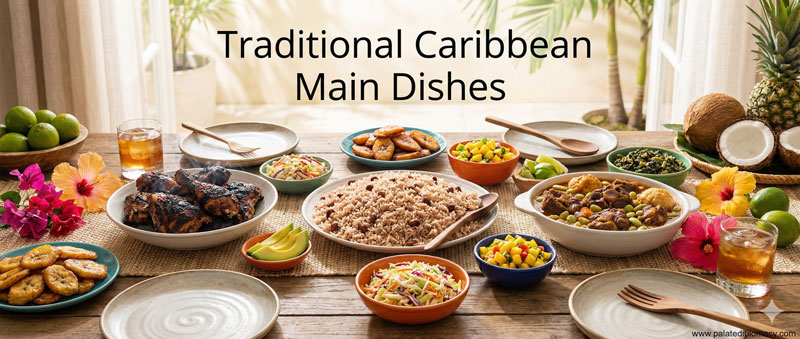
Oxtail stew shines with thoughtful pairings. White rice or rice and peas provide a quiet, starchy counterpoint that soaks up the rich sauce. Dumplings or breadfruit rounds offer a comforting bite that contrasts with the meat’s tenderness. Plantains, fried or boiled, add a gentle sweetness and texture. A simple side of sautéed greens or callaloo brings color and a fresh note to balance the richness. Serving the stew in a wide bowl allows the broth to be enjoyed alongside these sides, creating a cohesive, comforting plate. The presentation emphasizes warmth, generosity, and the celebratory nature of Caribbean dining.
Market-to-Table Journey: Ingredients with a Story
The journey of oxtail stew begins at the market or farm stand, where vibrant produce and aromatics are selected. Fresh thyme, onions, peppers, and herbs contribute notes that define the dish’s character. The oxtail itself is chosen for its depth of flavor and size, reminding cooks that good ingredients inspire great cooking. This market-to-table mindset reinforces a culture of sourcing thoughtfully and cooking with intention. It also illustrates the relationship between land, harvest, and hearth—the simple chain that makes a pot of stew possible.
Cooking as Cultural Craft: Respect, Repetition, and Craft
Cultural value in oxtail stew grows from repeated practice and shared knowledge. Experienced cooks teach younger cooks How to brown meat properly, how long to braise, and how to balance spices. These teachings travel through families, friends, and community kitchens, turning technique into tradition. Each cook contributes a personal touch—perhaps a slightly different spice mix, a unique tomato component, or a preferred level of heat—while maintaining the dish’s core identity. In this way, oxtail stew becomes a living craft, evolving, yet steady in its essence.
The Beauty of the Dishes: Color, Aroma, and Texture
The beauty of oxtail stew lies in its sensory appeal. The glossy sauce, the rich brown meat, and the bright greens of fresh herbs create a visually inviting dish. The aroma—a layered fragrance of browned meat, onions, and peppers—draws people toward the kitchen with anticipation. The texture, a tender bite contrasted with the soft embrace of starch, delivers comfort and satisfaction. This beauty invites admiration and appreciation, underscoring the dish’s place as a staple of Caribbean food culture.
A Quiet, Persistent Favorite: Why it Endures
Oxtail stew endures because it speaks to universal experiences: cooking with care, gathering with others, and savoring a pot that seems to hold time itself. The dish offers a reliable, nourishing option for many households, while also presenting room for personal expression. It remains relevant in busy weeknights as well as festive weekends, proving its versatility and enduring charm. In this way, oxtail stew stands as a testament to the beauty of a well-made, well-shared meal.
Conclusion: A Living Tradition of Flavor and Community
In a single pot, oxtail stew captures the essence of Caribbean food culture: hospitality, craft, and a love of robust, comforting flavors. It brings people together, supports a lively market-and-kitchen economy, and offers a space for personal interpretation within a shared framework. The dish invites curiosity about regional differences, the function of spice, and the value of patience in cooking. Most of all, it invites everyone to slow down, breathe in the aroma, and celebrate the beauty of a meal made with care. Oxtail stew, at its heart, is a living testament to the joy of Caribbean cooking: flavorful, welcoming, and forever evolving through the hands of cooks and the smiles of those who gather around the pot.