
Introduction
Curry goat is one of the most cherished dishes in Caribbean cooking. It welcomes families to the table and sparks vibrant conversations in markets and homes. This guide celebrates its cultural value and culinary significance, inviting you to explore how the dish carries warmth, skill, and friendship across the community. Each bite tells a story of carefully grown ingredients, patient cooking, and shared meals.
The heart of the dish
At its core, curry goat offers depth and balance. The meat remains tender and juicy, while the sauce carries aromatic heat, earthy spices, and a touch of creaminess. The aroma alone signals a moment of hospitality. This is not just a meal; it is a ceremony of scent, spice, and time-honored technique that brings people together.
Key ingredients and techniques
Goat meat stands at the center, chosen for flavor and texture. It meets a curry foundation built from a blend of spices, often including bold curry powder, garlic, onion, ginger, and fresh thyme. Heat comes from peppers such as the Scotch bonnet, used carefully to lift the profile without overwhelming it. Coconut milk or broth adds satin richness, while tomatoes or onion bases create bright, fruity notes. Slow simmering lets all the flavors knit together, transforming tough cuts into succulent bites.
A few practical touches matter. Browning the meat first deepens the flavor, then simmering slowly with steady heat extracts a mellow sweetness. Fresh herbs at the end brighten the dish, and a squeeze of lime can highlight the balance between spice and tang. This combination—meat, spice, fat, and time—defines the dish’s character.
Regional expressions within local cooking
Across households and markets, you’ll find small differences that reflect local tastes. Some cooks favor a thicker sauce, while others prefer more gravy to spoon over rice. The choice of starch also matters: fragrant rice with beans, soft roti, or sturdy fried dumplings all support the curry’s richness. In street stalls, you might notice speed and consistency, with vendors mastering the balance of heat and aroma to welcome repeat customers. Yet the essence remains the same: a dish that honors place, people, and shared appetite.
The cooking process: from prep to plate
Preparation starts with clean, well-cut meat and a ready spice mix. Marinating briefly can deepen the infusion of flavors. Then comes browning: a hot pan adds color and complexity. Aromatics—onions, garlic, ginger—sauté until soft and fragrant, releasing a kitchen-full of inviting scent. Spices go in next, waking the pan and sweetly toasting their oils. Liquid joins the pot, and the lid stays on as the mixture settles into a slow, gentle simmer. The meat becomes tender, and the sauce thickens to coat every piece. A final rest moment allows flavors to settle before serving. Each step reinforces care, patience, and a respect for the craft.
Pairings and serving traditions
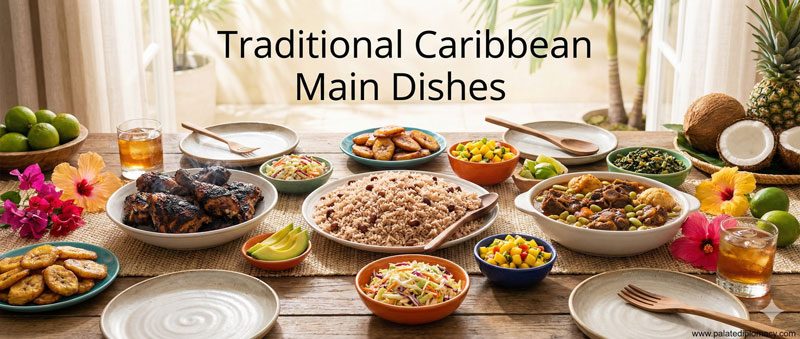
The serving ritual is part of the experience. White rice, rice and peas, or soft roti provide perfect carriers for the curry’s sauce. Side dishes like fried plantains or a simple fresh salad offer contrast and balance. Chutneys or tangy lime wedges can brighten the plate, while a cool drink complements the warmth of the dish. Etiquette around the table values sharing, conversation, and savoring every bite, turning a meal into a social joy.
Where to find it and how to enjoy like a local
Seek out friendly kitchens, family-run restaurants, and bustling markets for an authentic experience. When you order, you can compliment the cook on the depth of flavor and the tenderness of the meat. Notice how the aroma fills the space, inviting you to pause and listen to the hum of conversation around you. To enjoy Like a local, take small portions at first, savor the balance of spice and richness, and pair each bite with a spoonful of rice or a bite of roti. Share the dish with friends or family at the table; conversation often mirrors the dish’s warmth.
Respectful, joyful dining
Curry goat invites generosity and attention. Approach the meal with curiosity, appreciation for the technique, and gratitude for the shared hospitality. The beauty of the dish lies in its ability to unite flavors with people, turning ordinary meals into memorable moments. By embracing its cooking craft and savoring its cultural resonance, you honor both the food and the community that keeps it alive.
Conclusion
A Complete Guide to Enjoying Curry Goat Like a Local offers more than recipe steps. It highlights a dish that embodies craft, care, and conviviality. From preparation to plate, the journey celebrates texture, aroma, and the joy of gathering. Whether you cook it at home or discover it in a favorite eatery, this curry goat invites you to slow down, taste deeply, and join in a shared culinary tradition.