
Why Travelers Are Drawn to Callaloo
Travelers often encounter callaloo as a welcoming doorway to Caribbean cooking. The dish appears in markets, home kitchens, and seaside eateries, inviting visitors to slow down and savor. It shines with a bright emerald hue, a fragrant aroma, and a comforting, creamy texture. These details create an immediate sense of place and hospitality. In short, callaloo offers a warm introduction to regional flavors and cooking techniques that travelers remember long after the trip ends.
What Is Callaloo? A Quick Overview
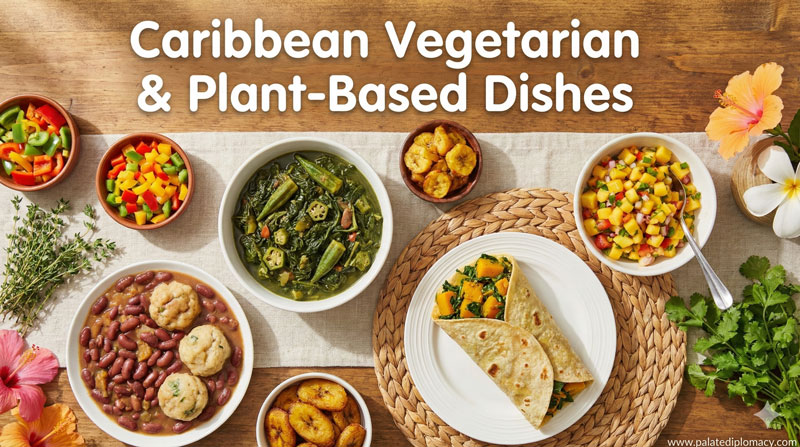
Callaloo is a leafy-green base prepared with coconut milk, onions, peppers, and seasonings. The greens vary by region and season; common choices include amaranth greens, spinach, or dasheen leaves. The dish can be a thick stew or a silky soup, depending on the cook’s method. Optional additions include okra, peppers for a gentle heat, and sometimes saltfish or crab for extra depth. Serve it with dumplings, breadfruit, yams, or white rice. The result is a versatile, satisfying dish that can be light or hearty, depending on the setting.
The Flavor Palette: From Earthy to Oceanic
Callaloo delights the palate with a multi-layered flavor. The greens provide earthiness and a subtle savoriness, while the coconut milk brings creaminess and a hint of sweetness. Onions and peppers add brightness and a gentle kick. Salt from seasonings punctuates the mix, while okra adds a soft, yielding texture. The overall effect is balanced and comforting, with a freshness that Makes It feel vitamin-rich and vibrant. Travelers often describe the taste as both familiar and delightfully novel, a bridge between home cooking and new culinary horizons.
Techniques That Elevate the Dish
Careful preparation matters. Sautéing onions, peppers, and garlic first builds a savory foundation. The greens are then wilted and simmered in coconut milk to soften and meld flavors. Gentle simmering preserves color and keeps the greens tender without losing their bright character. Finally, a careful seasoning with salt, pepper, and fresh herbs brings the dish together. This sequence—sauté, simmer, season—creates a smooth, cohesive texture and a clean, bright aroma that lingers.
Regional Variations: A Tapestry of Styles
Across the Caribbean, callaloo carries a Local signature in every kitchen. In some places, saltfish or crab enhances the dish with a briny contrast. In others, the greens lean more toward spinach or local varieties, giving a lighter or more robust body. The consistency can range from a silky soup to a thicker stew. Side dishes and garnishes also shift with region and season, from citrusy herb flecks to a touch of lime. This range invites travelers to taste multiple versions and discover their personal favorite.
The Social Fabric: Shared Meals, Markets, and Hospitality
Callaloo is as much about the moment as about the flavors. Market stalls, roadside diners, and family kitchens all contribute to a shared culinary experience. Vendors and cooks welcome guests with a friendly smile and a quick explanation of what’s in season. The dish often anchors gatherings, from a casual lunch with friends to a festive family meal. In these moments, travel becomes edible culture—people exchange tips, stories, and favorite twists, all centered around a single pot of callaloo.
Travelers’ Experiences: Savoring Callaloo on the Road
For the traveler, callaloo offers a memorable sensory moment. The aroma invites you in before the first spoonful. The creamy texture contrasts with crisp accompaniments like pepper sauce or a slice of fresh bread. Each regional variation teaches something new: a hint of sea breeze from coastal markets, a whisper of spice from a home kitchen, or the bright bite of lime near a waterfront stall. These experiences become anchors in a travel journal, marking time with taste and mood.
Pairings and Serving Styles
Callaloo pairs beautifully with a variety of staples. Saltfish or crab can introduce a savory counterpoint. White rice, dumplings, or fried plantains provide satisfying heft. A slice of avocado or a squeeze of lime adds freshness. For beverages, a cold ginger beer or a light fruit juice complements the dish without overpowering it. These pairings help travelers imagine a complete meal that reflects regional generosity and balance.
Making Callaloo at Home: A Simple Guide
If you would like to recreate the experience, start with a greens base of your choice. Sauté onions and peppers in a touch of oil. Add the greens and cook briefly to wilt. Pour in coconut milk and simmer gently until everything is tender and integrated. Season with salt, pepper, and a dash of garlic or herbs. Finish with a light squeeze of lime or a sprinkle of fresh herbs. Add optional saltfish, crab, or okra for texture and depth. The method is straightforward, and the result is a versatile dish you can tailor to your pantry and preferences.
Conclusion: The Gentle Allure of Callaloo
Callaloo invites travelers to slow down and savor a practical, comforting form of cooking. Its vibrant color, creamy texture, and adaptable nature make It a favorite in many towns and kitchens. The dish celebrates greens, coconut, and regional know-how, all in one bowl. As travelers move from market to kitchen, callaloo becomes a friendly compass—guiding taste, telling stories through flavor, and welcoming every guest to share in a local tradition. If you seek a dish that is both nourishing and inviting, callaloo stands as a thoughtful ambassador of Caribbean cooking and hospitality.