
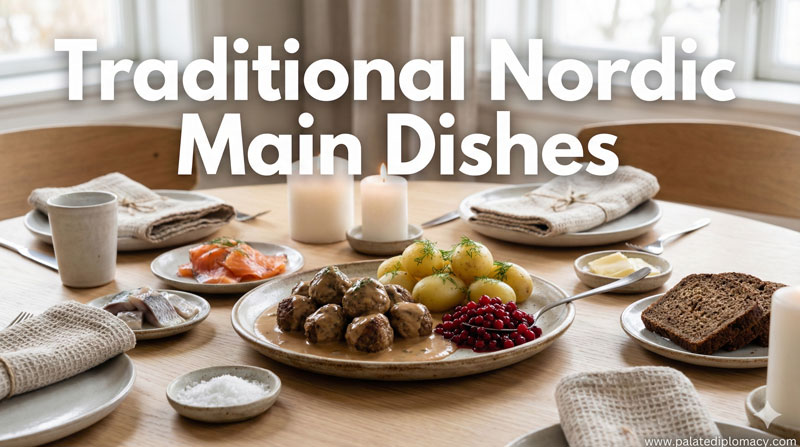
Introduction: A dish that speaks to Nordic flavors
Reindeer stew is more than a warm bowl. It embodies how people in Nordic regions listen to the land and respond with care. The dish blends simple ingredients into a comforting, layered flavor. It invites us to slow down, to savor each ingredient, and to notice how seasonality guides every choice. In Nordic Food Culture, a meal often tells a story about place, patience, and shared meals. Reindeer stew does this with quiet dignity, inviting admiration for the landscape and the hands that prepare it.
The ingredients as a map of the land
The core of reindeer stew is lean meat, cut into sturdy chunks that hold together through a gentle simmer. Potatoes, carrots, onions, and sometimes mushrooms join the dance, adding earthiness and texture. Aromatics like bay leaf and juniper berries echo pine forests and open plains. A splash of cream or a touch of sour dairy can soften the mix, balancing the richness. Lingonberries, either fresh or as a sauce on the side, provide a bright counterpoint. Each ingredient speaks of local abundance and practical thrift, a hallmark of Nordic cooking.
Technique that tells a quiet story
The preparation favors steady heat over flash. Browning the meat first adds depth, then a slow simmer coaxes tenderness without losing character. A cast-iron or heavy pot distributes heat evenly, letting flavors mingle. The cook tastes often, adjusting salt and pepper to highlight the natural sweetness of vegetables and meat. The result is a cohesive, comforting stew where every spoon carries the memory of the slow kitchen, the patience of the cook, and the reliability of familiar techniques.
Seasonality and sustainability in every bite
Nordic cooking respects the cycle of the year. Reindeer meat, when available, is prized for its lean profile and strong flavor. Vegetables from storage or freezer supply a year-round backbone. The dish leans on ingredients that travel a short distance from field to table, emphasizing freshness and balance. This approach celebrates resourcefulness and sustainability, values that shine through in the stew’s straightforward preparation and respect for the land that sustains it.
Social warmth: sharing and ritual around the table
Nordic meals often center on the table as a gathering place. Reindeer stew invites conversation and connection. A family or community share makes the meal feel more generous than its ingredients suggest. The aroma signals welcome, the act of serving creates comfort, and the meal becomes a memory carried from one season to the next. In this way, the dish reinforces a culture of togetherness, where food is a bridge between generations and neighbors.
Flavor, texture, and the beauty of balance
The flavor profile of reindeer stew is clean and comforting. The meat carries a sweet depth from the vegetables, while the herbs add subtle warmth. Juicy, tender chunks contrast with the soft, starchy potatoes. A hint of berry brightness keeps the dish lively, so the meal remains refreshing rather than heavy. This balance mirrors Nordic taste preferences: modest spices, natural sweetness, and a focus on the essence of each ingredient. The result is a dish that feels honest and inviting.
A living tradition that travels with the seasons
Reindeer stew is not a rigid recipe but a living tradition. Across Nordic regions, cooks adapt the ingredients to local harvests and family favorites. The dish travels from humble homesteads to restaurant menus, carrying the same core idea: nourishment through simple, well-chosen ingredients prepared with care. By honoring regional varieties and seasonal rhythms, the stew remains relevant and beloved. It stands as a quiet celebration of the landscape and the communal spirit that sustains it.
Conclusion: A dish that honors place, people, and palate
Reindeer stew reflects Nordic food culture through its emphasis on locality, patience, and shared meals. It uses lean meat, hearty vegetables, and gentle spices to create comfort without excess. The cooking method honors time and resourcefulness, while the table ritual highlights community and hospitality. In every bowl, the dish offers a respectful portrait of Nordic cuisine: grounded in the land, mindful of the season, and warmly inviting to all who gather to enjoy it.