
The Story Behind Köttbullar, a Nordic Food Favorite
Köttbullar, or meatballs, has a warm place in Nordic kitchens. This small, round dish is more than a snack; it is a symbol of everyday hospitality and shared meals. In households across Sweden, Norway, Denmark, and Finland, the recipe travels from parent to child, evolving with family favorites and seasonal ingredients. The name itself speaks to a simple craft: ground meat shaped into a ball, browned, and sometimes braised in a light sauce. The result is a comforting bite that invites conversation and connection around the table.
A Nordic Classic at the Table
Köttbullar embodies the quiet joy of everyday eating. It celebrates balance: tender meat, a gentle crust, creamy sauce, and a pop of tangy jam. This dish appears in family dinners, school lunches, and festive spreads alike. It is easy to prepare, yet it carries a sense of care and attention. When the aroma drifts through a warm kitchen, it signals welcome and togetherness. The dish is more than food; it is a shared moment that reflects Nordic values of warmth, hospitality, and seasonal ingredients used with respect.
The Craft of Köttbullar
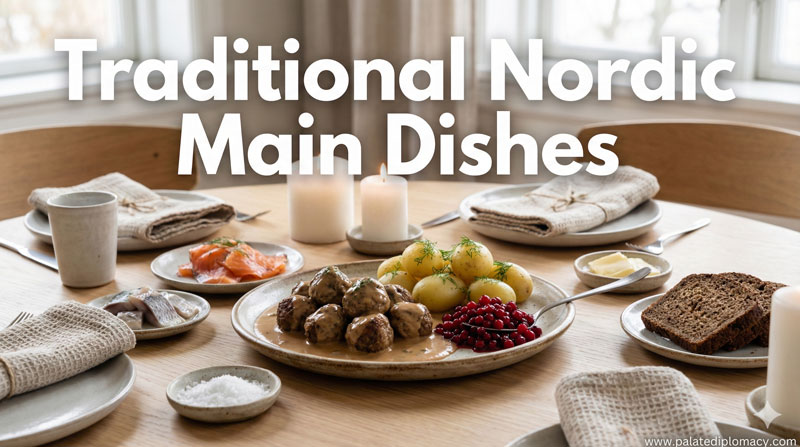
The preparation blends simple ingredients into a refined texture. Ground beef and pork mingle with soaked breadcrumbs, milk, and finely chopped onion. A pinch of salt, white pepper, and sometimes a whisper of allspice wake the flavors. The mixture rests briefly, then shapes into small balls. They brown in a skillet, gaining a subtle crust, before simmering in a light cream- or gravy-based sauce. The finishing touch is a pairing that elevates the dish: creamy potatoes and a dollop of lingonberry jam. The technique centers on balance—soft inside, light crust outside, and a sauce that unites the plate.
Social Table and Traditions
The table is the stage where Köttbullar shines. Families gather to share meals, swap stories, and savor the textures together. The dish often accompanies mashed potatoes and crisp cucumbers, creating a colorful plate that feels comforting and complete. In many homes, köttbullar becomes a staple for festive lunches or quiet Sunday dinners, a reliable dish that welcomes guests and nourishes all. Lingonberry jam adds a bright counterpoint, turning a simple bite into a memorable experience of harmony and flavor.
Regional Variations Across Nordic Lands
Across the Nordic region, small variations enrich The Story of köttbullar. In Sweden, the meat blend and creamy sauce take center stage, with lingonberries as a signature companion. Norway tends to favor a leaner balance, while Denmark offers a slightly simpler form known as frikadeller in some circles, yet the spirit remains the same: approachable meatballs, easy to cook, easy to love. Finland often mirrors the Swedish approach, yet adds its own regional touches. Across all these lands, the core idea stays constant: a humble ball of meat that brings people together.
The Plate and the Palette: Presentation and Flavor
The beauty of köttbullar lies in its versatility. A well-seared surface provides a delicate crust, while the creamy sauce adds depth. The plate comes alive through contrast: pale mashed potatoes, the dark gloss of the sauce, and the ruby pop of lingonberry jam. This balance—rich, bright, and comforting—speaks to a cultural preference for harmony on the plate. The dish invites dipping, sampling, and sharing, turning each bite into a tiny celebration of flavor and form.
Modern Takes and Seasonal Menus
Today, cooks honor tradition while inviting fresh ideas. Some prepare vegetarian “köttbullar” using mushrooms or plant-based proteins to capture the texture and approach of the classic. Others highlight sustainable sourcing, choosing high-quality meat from trusted farms or exploring heritage breeds. Seasonal vegetables and lighter sauces appear alongside the traditional cream sauce to refresh the experience without losing its essence. These adaptations reflect a culture that values quality, tactful innovation, and a steady respect for the dish’s comforting spirit.
Closing Thoughts
The story of köttbullar is a reminder that food can radiate warmth, care, and shared joy. It is a testament to simple ingredients crafted with attention, a dish that travels gracefully across homes and seasons. By honoring its culinary roots and welcoming modern interpretations, we keep this Nordic favorite alive—inviting anyone to experience its quiet beauty and the cultural value it holds in kitchens and communities alike.