
How Meatballs Became Popular in Nordic Cuisine
Introduction
Meatballs have a special place in Nordic Cuisine. They invite bite-sized joy to the table and invite conversation among friends and family. In Nordic kitchens, these small rounds become moments of care—simple ingredients coming together with warmth and patience. The dish celebrates texture, balance, and the beauty of everyday cooking. It travels from family kitchens to cozy cafés, always carrying a sense of place. In this post, we explore the cultural value and culinary significance that give Nordic meatballs their enduring charm.
The Humble Beginning
The core idea is plain and true: mix ground meat with a soft binder, shape it, and cook with focus. A mix of beef and pork offers both richness and tenderness. Breadcrumbs soaked in milk add lightness, while finely chopped onions provide sweetness and depth. A gentle egg helps the mixture hold its shape. The result is a small sphere that browns to a silky crust. This simplicity is its strength. The technique invites careful hands and seasoned judgment, two things that often show up at the Heart of Nordic cooking.
Core Ingredients in Nordic Meatballs
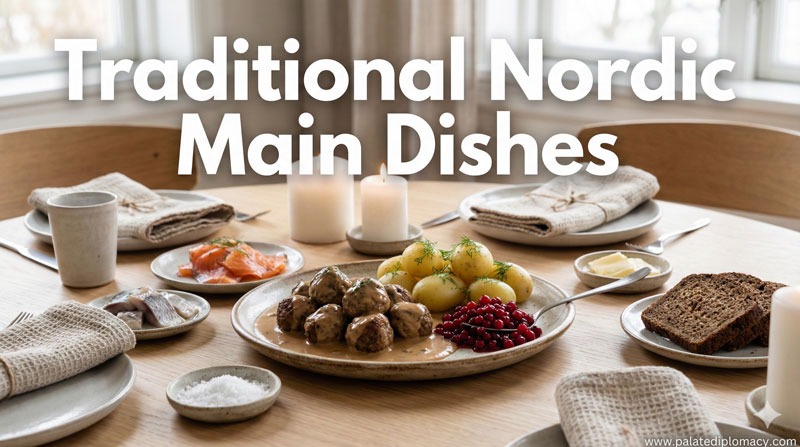
Nordic meatballs lean on honest ingredients. The meat provides flavor and moisture, while the binding agents keep the texture cohesive. Milk-soaked breadcrumbs soften the bite, and onions lend a bright contrast. Salt and pepper are essential, with optional touches like nutmeg or allspice that nod to regional preferences. A little egg binds everything together, ensuring each bite holds its shape. Lingonberry sauce or a tangy cream sauce often accompanies the dish, offering a balance of sweetness and acidity. Sides like mashed potatoes or buttered noodles complete the plate, highlighting the meatballs without overshadowing them.
Craft and Technique
The technique matters as much as the ingredients. Begin by gently shaping the mixture to avoid dense centers. A quick sear in butter or oil adds color and aroma. Then simmer or finish in a creamy gravy to meld flavors. The key is patience: a light browning followed by gentle cooking yields a tender interior. Stir in a small amount of stock or cream to keep the sauce smooth and inviting. When plated, the meatballs glow with a glossy finish and a comforting aroma that lingers at the table.
Social and Family Traditions
Meatballs are a shared dish in Nordic homes. Families often pass down cherished recipes, each generation adding subtle refinements. The act of gathering around a pot or pan builds a sense of togetherness. A family meal might include stories, laughter, and the simple ritual of serving generous portions. The dish becomes a bridge between seasons and celebrations, a reliable centerpiece that welcomes guests with warmth. In many homes, the plate is always more than food; it is a quiet pledge of hospitality and care.
Regional Variations
Across the Nordic region, meatballs take on distinct personalities while preserving a common spirit.
- In Sweden, köttbullar are famously paired with creamy gravy, mashed potatoes, and lingonberry sauce. The balance of savory, tangy, and mellow notes creates a comforting, iconic plate.
- In Denmark, frikadeller often feature a crisp crust and a lighter, almost airy texture. They are delicious with whisked potatoes or a simple onion gravy.
- In Norway, kjøttkaker share the stage with potatoes and a rich gravy. The texture tends to be robust, with a satisfying bite that carries well in sauce.
- In Finland, lihapullat commonly appear with mashed potatoes and lingonberries or a cranberry-like sauce. The pairing highlights both earthiness and brightness.
- In Iceland, meatballs are enjoyed in homes and eateries with an emphasis on fresh herbs and a straightforward, hearty taste.
These variations reflect regionally favored ingredients and methods, yet all celebrate the same core idea: a small, tender meatball that invites a generous, comforting plate.
Sauces and Sides
Sauces elevate Nordic meatballs without taking over. A creamy gravy offers smooth, harmonious flavor that wraps around each bite. Lingonberry sauce provides a bright counterpoint with a touch of tartness. Mashed potatoes or simple boiled potatoes make a soft, comforting bed. Pickled cucumbers or lightly sautéed vegetables add a fresh crunch. The combination creates a well-rounded plate that nourishes the senses and respects the meat’s sweetness.
The Modern Plate
Today, meatballs appear in many settings. They anchor family meals, appear on café menus, and show up as a convenient, satisfying option in busy homes. The dish remains versatile: bake for a lighter finish, pan-sear for texture, or simmer gently in a sauce for warmth. The modern plate preserves tradition while inviting new ideas. Chefs experiment with spice blends, different meats, and creative sauces, yet the essence stays rooted in balance, harmony, and shareable portions.
Conclusion
Meatballs in Nordic cuisine stand as a testament to culinary craftsmanship and cultural warmth. They show how simple ingredients can become something meaningful through care, technique, and timing. The dish invites conversation, sustains gatherings, and invites everyone to enjoy a comforting moment around the table. In every Nordic kitchen, meatballs tell a story of texture, flavor, and hospitality—and that story continues to grow with each new cook at the stove.