
Introduction
Köttbullar, or Swedish meatballs, are a beloved gateway to Nordic food culture. They appear in home kitchens, school cafeterias, and cozy cafés alike. This dish invites us to notice how a Simple Recipe can carry history, care, and craft. In this post, we explore the cultural value and culinary significance of Köttbullar. We focus on flavor, technique, and the social role it plays in Nordic life. The result is a respectful look at a dish that feels both everyday and timeless.
The Dish in the Nordic Palette
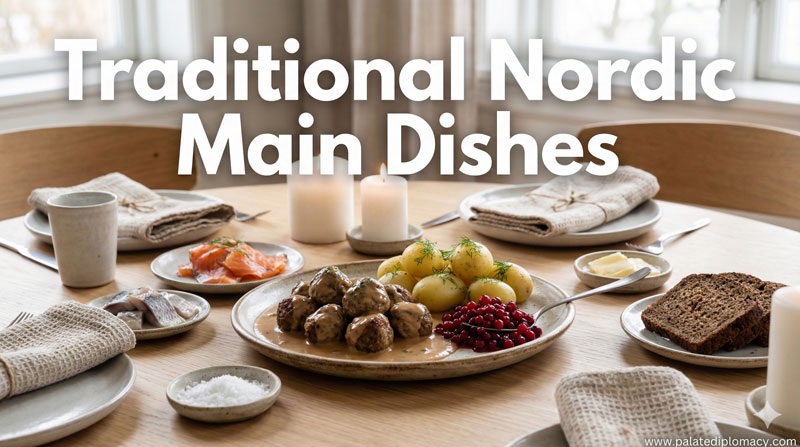
Köttbullar sit at the Heart of Nordic comfort cooking. They balance savory meat with tender texture and a creamy sauce. The appeal comes from harmony: the meat blends with dairy, bread, and onions to create a gentle richness. This balance mirrors the Nordic preference for clean, uplifting flavors that still feel hearty. The dish pairs naturally with potatoes and lingonberry jam, adding a bright counterpoint to the creamy sauce. In this way, Köttbullar embodies a regional palate that values earthiness, lightness, and a subtle tang.
Craft and Technique: A Story of Skill
The craft behind Köttbullar reveals a philosophy of careful preparation. The core ingredients are simple: ground meat, soaked bread, onion, an egg, cream or milk, and seasonings. The bread keeps the meat tender, while onions bring sweetness and depth. Chefs often brown the meat in butter to build color and flavor, then simmer it gently in a light cream gravy. This two-step method—searing for aroma, then simmering for richness—creates a texture that is tender yet defined. Spices are usually restrained, with a touch of white pepper or allspice that nods to tradition without overpowering the meat. The result is a dish that celebrates technique as much as taste: a small lesson in balance, patience, and fidelity to the ingredients.
Flavor, Texture, and Plate Harmony
A well-made Köttbullar presents a few reliable textures: a crisp exterior, a soft interior, and a velvety sauce. The potatoes on the side act as a perfect vehicle for the sauce, while lingonberry jam provides a bright fruit note that cuts through richness. This combination is a signature of Nordic dining: gentle, comforting, and precise. The way the flavors unfold on the palate—savory meat, creamy sauce, tangy berry—offers a small, satisfying journey. In short, the dish demonstrates how Nordic cooks choreograph textures and contrasts to elevate a simple meal.
Social and Ritual Dimensions
Köttbullar shine in social settings. They are a staple at family meals, casual gatherings, and festive tables alike. The act of preparing them often becomes a shared ritual—measuring, mixing, and shaping the meat together. Served with familiar accompaniments, the dish fosters a sense of belonging and warmth. The meal invites conversation, care, and connection. In Nordic culture, food often marks everyday life as something worthy of attention; Köttbullar embody that ethos with grace and ease. The result is not only nourishment but a small cultural ceremony of togetherness.
Regional Voices and Subtle Variations
Across the Nordic region, Köttbullar reveal regional voices within a common framework. In Sweden, the classic recipe leans on a balanced blend of meat, dairy, and bread. Norway and Denmark offer their own takes, sometimes with different spice calibrations or shapes. Some households favor a lighter gravy, others prefer a richer sauce. Yet the core idea remains the same: a tender meat sphere enhanced by a creamy companion, paired with simple sides. This shared approach underscores a broader cultural value—flexibility within tradition. It allows local ingredients and preferences to shape the dish while preserving its essential character.
Nordic Identity at the Table
Köttbullar function as a culinary ambassador for Nordic identity. They show how a cuisine can be rooted in everyday textures and flavors while still feeling refined. The dish reflects a Nordic respect for seasonality and quality ingredients. It celebrates practical cooking that yields comforting results. It also demonstrates hospitality: when guests arrive, a warm plate of Köttbullar signals welcome and care. Through its versatility and warmth, the dish communicates a regional pride that many people recognize and enjoy.
Accompaniments and the Savoring Experience
To appreciate Köttbullar fully, pay attention to the pairing choices. Lingonberry jam adds a bright contrast that lifts the plate. Creamy gravy ties the components together, creating a smooth, indulgent mouthfeel. Boiled or mashed potatoes provide a familiar, starchy base. Pickled cucumbers or fresh greens introduce a crisp note that keeps the meal balanced. These accompaniments matter as much as the meat itself; they shape the overall dining experience and highlight the Nordic talent for thoughtful, composed plates.
Modern Reflections and Everyday Beauty
Today, Köttbullar appear in diverse settings, from home kitchens to modern bistros. Yet their essence remains intact: a dish built on accessible ingredients, careful technique, and a sense of care for the eater. Contemporary cooks may experiment with meat ratios, dairy choices, or spice accents, but the core idea endures. This adaptability speaks to Nordic culinary values: respect for tradition, curiosity about improvement, and a love of sharing good food with others. The dish stands as a modest, enduring example of how culture can evolve while honoring its roots.
Conclusion
Köttbullar embodies both cultural value and culinary significance in Nordic life. It is more than a plate of meat and sauce; it is a story told through texture, aroma, and color. The dish teaches that nourishment can be warm, refined, and unpretentious at once. It celebrates family, hospitality, and everyday craft. In every bite, we glimpse a Nordic approach to cooking that honors simplicity, balance, and communal joy. By exploring Köttbullar, we gain not just a recipe, but a window into a culture that cherishes good food, thoughtful technique, and the beauty of sharing a meal together.