
The Story Behind Reindeer Stew, a Nordic Food Favorite
Reindeer stew stands as a warm, inviting symbol of Nordic cooking. It blends lean, tender meat with earthy roots, forest flavors, and gentle creaminess. The dish feels Like a story told in a single pot: harvest, patience, and sharing. It shows how a region can turn simple ingredients into a comforting ritual. Readers can sense the aroma even before the first bite, a promise of hearth, home, and seasonal pride.
Origins in Forest and Field
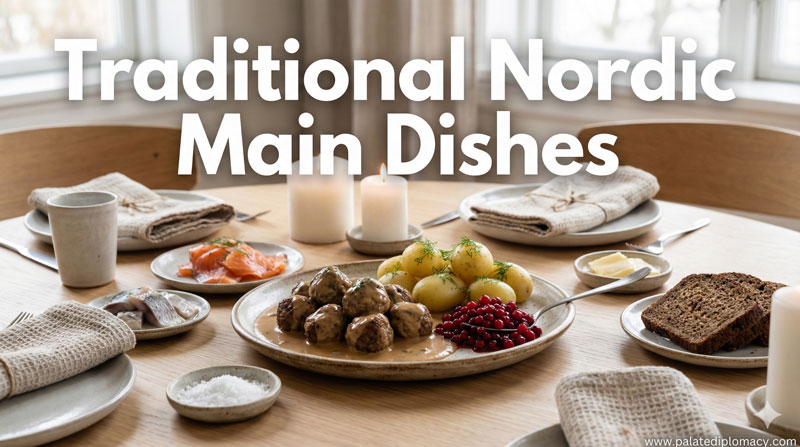
Across Nordic kitchens, reindeer meat comes from the forested landscapes that define the region. The stew uses this meat for its lean texture and nuanced depth. Potatoes, carrots, onions, and mushrooms join the meat, absorbing their savory strength. Juniper berries and bay leaves guide the aroma, while a splash of stock or cream adds roundness. Berries such as lingonberries or cloudberries bring bright accents that balance richness. The result is a dish that honors land, season, and craft.
The Craft of Slow Cookery
The beauty of this stew lies in its slow, attentive simmer. The meat is browned to develop flavor, then softened with onions and garlic. Herbs and spices enter next, building a quiet perfume rather than a bold punch. Liquid follows—stock or broth—so the meat braises until it nearly falls apart. Root vegetables glide in, soaking up the savory juices. Finally, cream or a gentle swirl of dairy enriches the sauce, tying every element together. The process invites patience, a small ritual that makes the table feel special.
Cultural Value at the Table
In Nordic homes, this dish is a deck chair by the winter fire: dependable, comforting, and welcoming. It marks gatherings, family Sundays, and festive meals, where conversation and cuisine mingle. Cooking meets sharing as portions circle the table, and leftovers become tomorrow’s meals. The stew teaches respect for ingredients and time, two cornerstones of regional cooking. It also reflects a practical ethic: make the most of what the land yields, then pass it along.
Seasonal Rhythm and Local Harvest
Seasonality guides every bite. Fresh meat, if available, pairs with vegetables stored from harvest time. Lingonberries add a tart counterpoint, enhancing the depth of the meat without overpowering it. In some homes, wild mushrooms bloom in the pan, lending earthy notes. The season’s rhythm—hunt, harvest, preserve, plate—finds a natural place in this dish. That rhythm gives the stew a sense of place and time, grounding it in Nordic culinary tradition.
Pairings, Traditions, and Modern Touches
Serve reindeer stew with simple accompaniments that let the flavors breathe. Crusty bread, boiled potatoes, or a dollop of sour cream are classic partners. A side of lightly pickled vegetables or a fresh herb salad can brighten the plate. For beverages, a light beer, a glass of clear berry juice, or water with a lemon twist pairs well. Modern cooks honor the essence while adapting to household preferences, ensuring the dish remains accessible and comforting for today’s table.
Preserving the Heart of the Dish
The enduring appeal of reindeer stew lies in its balance of strength and softness. It invites cooks to honor technique and to value shared meals. By keeping the preparation straightforward and the ingredients respectful of the land, this dish travels well from kitchen to table. It remains a welcoming canvas for personal touches—more vegetables, a touch of cream, or a dash of forest spice—without losing its core character. In this way, the stew grows with each generation, staying true to its cultural roots while inviting new flavors.
A Warm Invitation to the Table
Reindeer stew is more than a recipe; it is a celebration of forest, field, and family. It speaks of patience, care, and the joy of gathering around a pot that carries memory and meaning. If you listen closely, you can hear the clink of cutlery, the soft hum of conversation, and the comforting aroma that settles in the home. This Nordic favorite invites everyone to slow down, savor the moment, and share in a tradition that feels both timeless and warmly contemporary.