
Introduction
Travelers often search for meals that tell a place’s story in a single bite. Meatballs do just that. They arrive at a table with warmth, aroma, and a sense of home. The dish travels across kitchens and markets, inviting cooks and guests to share. Its appeal lies in balance, texture, and the way a simple mix of ingredients can become something comforting and memorable. In this post, we explore the cultural value and culinary significance of meatballs, and why they captivate travelers around the world.
The Craft of Meatballs
Meatballs begin with a careful balance. Ground meat provides richness, while bread or crumbs help with tenderness. Eggs bind the mix, and herbs or spices wake the palate. The method matters as much as the mix. Gentle handling preserves a tender interior. A quick fry gives a savor of browned edges, while a slow simmer can soak up flavors from sauces and broths. Each technique creates a texture that invites a second bite. The finished meatball speaks of patience, craft, and respect for seasonal ingredients. When a cook shapes them by hand, they carry a personal touch that travelers notice and remember.
Global Threads in a Single Dish
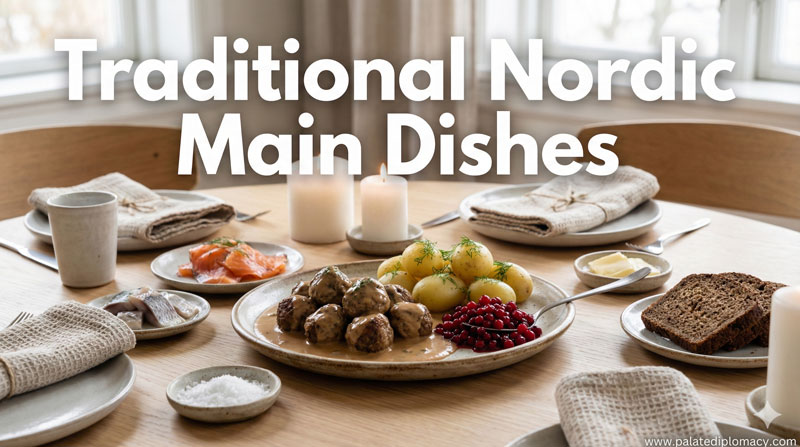
Across continents, meatballs appear in many forms. In Italy, polpette offer comforting bites in family meals. In Sweden, köttbullar exhibit a soft center with creamy sauces. Turkish köfte bring bright herbs and a crisp exterior. Spanish albóndigas appear in vibrant stews and tapas. In Vietnam, meatballs join broths with aromatic herbs. In China, meatball varieties appear in soups and noodle dishes, sometimes with ginger and scallions. Although each version reflects local tastes, travelers sense a shared pleasure: a small, tender sphere that invites dipping, sharing, and savoring. The dish becomes a passport of flavor, inviting curiosity and discovery wherever the plate appears.
Social Scenes Around Meatballs
Meatballs often gather people. A market stall releases a burst of scent that draws shoppers, friends, and families. A home kitchen opens its door to neighbors who come for a simple, satisfying meal. In taverns and eateries, a plate of meatballs becomes a centerpiece around which conversation flows. The act of passing a dish, dipping sauces, and offering a bite strengthens everyday connections. In this sense, meatballs serve as a quiet social bridge, bringing together different foods, stories, and rhythms of daily life. Travelers notice how a shared plate can turn strangers into companions for a moment.
Flavor Map and Pairings
The flavor of meatballs comes from harmony. Herbs like parsley, oregano, mint, or dill brighten the mix. Aromas from garlic, onion, lemon zest, and pepper wake the senses. Sauces matter as much as the meat: tomato-based sauces offer brightness; creamy sauces lend richness; broth-based sauces provide warmth. Side dishes of bread, rice, or noodles extend the meal and invite balance. A squeeze of citrus, a dollop of yogurt, or a touch of paprika can shift the profile entirely. The versatility of meatballs makes them a friendly canvas for regional flavors, which travelers quickly recognize and admire.
Practical Tips for Travelers
When you seek meatballs on the road, notice the setting. A busy market stall often signals fresh, local ingredients. A simmering pot on a stove can indicate a slow, comforting recipe. Ask about house specials to learn a family favorite. Look for tender texture and a gentle aroma of herbs. Try them with a Local sauce to understand regional character. Pairing ideas include bread or noodles to soak up sauces, or a simple herb lemon drizzle to refresh the palate. Finally, savor the moment: a quiet bite can reveal a dish’s culture in its purest form.
Closing Note
Meatballs rise to meet travelers with warmth, versatility, and a timeless charm. They honor craft and community—simple ingredients, thoughtful technique, and shared meals. The dish invites curiosity, celebrates local flavors, and offers comfort in every bite. As travelers wander, meatballs remind us how food can translate place and memory into something deliciously universal.