
Introduction
How Meatballs Became Popular in Nordic Cuisine explores a simple dish with a rich story. The meatball, in its Nordic form, shines because of shared values: warmth, nourishment, and a love for seasonal ingredients. This post highlights the cultural value and culinary significance of the dish. It celebrates everyday meals that feel like hospitality on a plate. You will hear how household cooks, markets, and small eateries helped the meatball become a beloved staple in Nordic kitchens.
Core Qualities of Nordic Meatballs
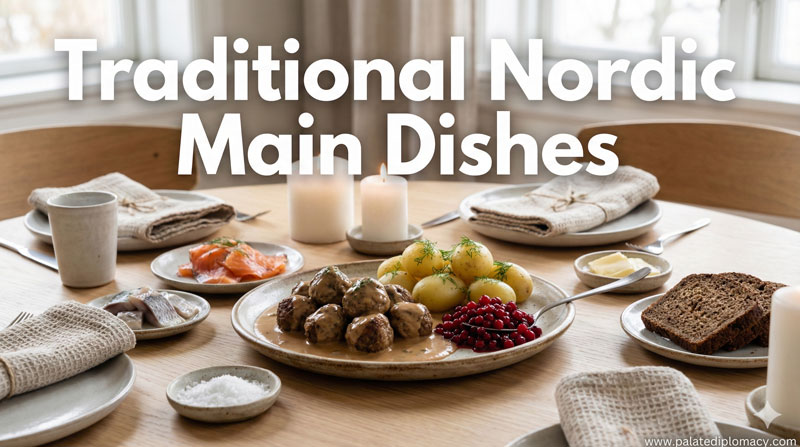
Nordic meatballs center on balance. They pair savory meat with soft textures and gentle spices. In the classic recipe, ground meat mixes with milk-soaked breadcrumbs and finely chopped onions. This yields a tender bite that holds its shape. A touch of white pepper and allspice or nutmeg adds warmth without overpowering the meat. The result is comforting, bright, and versatile. Round, brown, and juicy, these meatballs invite dipping, mopping, and sauce-enhanced savoring. Common accompaniments—creamy mashed potatoes, a silky cream sauce, and a tart lingonberry or cloudberry sauce—lift the dish with bright contrast.
Techniques and Traditions
The method matters as much as the ingredients. Start with moistened breadcrumbs to keep the interior moist. Mix the meat gently to avoid a dense texture. Shape the balls with care for uniform cooking. Brown them in a hot pan to seal flavors, then finish in a light sauce or simmer gently to blend the flavors. The sauce is a stage for balance: cream adds richness, stock adds depth, and a hint of acidity from berries or pickles brightens each bite. Nordic cooks often rely on seasonal produce—mushrooms in autumn, fresh herbs in spring—to finish the dish with local character. The technique echoes a wider kitchen culture that values simplicity, precision, and shared meals.
Regional Variations Across the Nordic Countries
Across Sweden, Norway, Finland, Denmark, and Iceland, the meatball adapts to local tastes. In Sweden, the köttbullar tradition shines with a slightly sweet, creamy sauce and a generous helping of mashed potatoes. Norway offers kjøttkaker that lean toward a firmer bite and a savory gravy that pairs with potatoes and root vegetables. Finland presents lihapullat with a touch of dill and sometimes a hint of rye or barley in the mix for texture. Denmark brings frikadeller to the table, often served with potatoes and pickles in a bright, straightforward presentation. Iceland often highlights lean, clean flavors with careful seasoning and a focus on high-quality meat. Despite differences, the thread remains the same: a comforting, versatile dish that honors home cooking and shared dining.
Social and Culinary Significance
Meatballs in Nordic cuisine embody hospitality and daily life. They are approachable enough for weeknights and refined enough for gatherings. Families often pass recipes from one generation to the next, adjusting spices to suit tastes and seasonal ingredients. The dish invites conversation: what to pair, How to present, which sauce to choose. In markets and cafés, meatballs connect customers with regional flavors and seasonal produce. The recipe also supports a flexible plate, allowing vegetarian or mixed-meat versions to sit side by side with traditional forms. In short, the dish reflects a culture that values care, balance, and shared nourishment.
Modern Interpretations and Pairings
Today, cooks honor tradition while inviting innovation. You may find meatballs that use lamb, chicken, or plant-based proteins for variety. Fresh herbs, roasted garlic, and peppercorns sharpen the flavor profile. Creative sauces—lemon-dill cream, mushroom wine reduction, or berry chutneys—provide new textures and brightness. Presentations range from classic to contemporary: a neat stack on a plate, or a rustic tray with fresh herbs and pickled vegetables. Yet the essence stays evident: meatballs remain an approachable symbol of Nordic warmth, seasonality, and everyday joy.
Conclusion
How Meatballs Became Popular in Nordic Cuisine is a celebration of a humble dish that grew into a cultural staple. The meatball’s appeal lies in its tenderness, its comforting sauce, and its capacity to unify family and friends around the table. It respects regional flavors while inviting personal twists. If you seek a dish that embodies hospitality, craft, and seasonal sensibility, look to the Nordic meatball. It is more than food; it is a quiet, enduring ritual of togetherness and delight.