
How Köttbullar Reflects Nordic Food Culture
Köttbullar, or Swedish meatballs, are more than a dish. They are a mirror of Nordic food culture. This post explores how their making and serving reveal values, tastes, and daily life in the Nordic region. The dish shows balance, craft, and a sense of home.
The Heart of Nordic Home Cooking
In Nordic homes, meals center on simple, nourishing ingredients. Köttbullar are a classic example of husmanskost, or home cooking. They are flexible, economical, and satisfying. The dish invites all ages to participate, from grinding the meat to shaping the meatballs. The process feels calm and purposeful, a small craft passed from one kitchen to the next.
Ingredients and Seasonal Sense
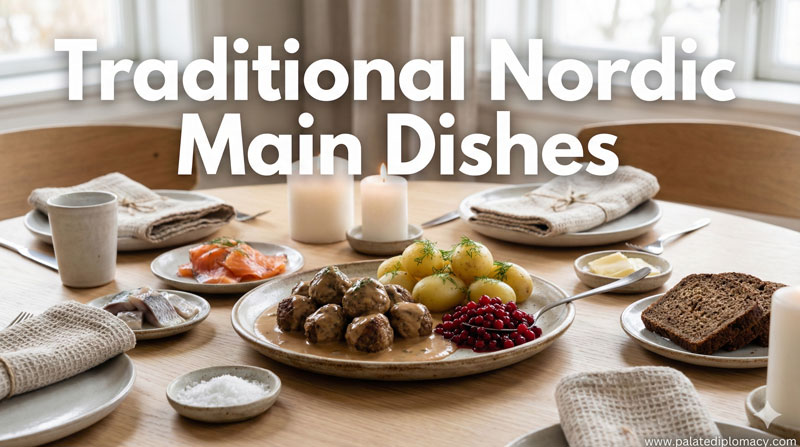
Key ingredients reflect the pantry: pork and/or beef, onions, breadcrumbs soaked in milk, eggs, salt, pepper, and a touch of spice such as white pepper or allspice. These items often come from nearby farms and markets, emphasizing freshness and local sourcing. Lingonberry jam provides bright contrast, while potatoes and cucumber salad echo the seasonal sides common in Nordic meals. The combination celebrates what the land and markets offer, in tune with the season.
Craft and Technique
The meat mixture is mixed gently to keep tenderness. Breadcrumbs soak in milk to stay moist. Roll into small balls, brown in butter for color, then simmer in a creamy sauce made from stock and cream. This two-step cooking preserves juiciness and builds a smooth gravy. The technique reflects thrift and care, not haste. Each step is a quiet practice that honors the ingredients.
Flavor and Balance
The exterior crust offers texture; the interior stays juicy. The sauce brings creaminess and a gentle saltiness. Lingonberry jam adds tart sweetness, balancing richness. The dish aims for harmony among meat, dairy, and acid. This balance is a hallmark of Nordic cooking style. The flavors invite steady savor and comfort, with room for personal touches.
Sharing and Social Rituals
Köttbullar often appear on family tables, Sunday dinners, and festive gatherings. The dish travels well, from home kitchens to potlucks and gatherings. Serving it with boiled potatoes, gravy, lingonberry jam, and cucumber salad creates A Complete plate that supports conversation and togetherness. The meal invites guests to feel welcomed and included, a small ceremony of hospitality.
Regional Voices and Adaptations
In different Nordic contexts, cooks adjust meat ratios or spices. Some prefer more beef; others include pork, or even plant-based variations. Sauces range from light to rich; some households add a touch of sour cream for tang. The lines between regions blur at the table, as tradition meets personal taste. Yet the core idea remains: a simple dish made with care that brings people together.
Conclusion: A Quiet, Enduring Dish
Köttbullar reflects Nordic food culture through its ingredients, technique, and ritual. It is humble yet refined; familiar yet nourishing. The dish invites appreciation for seasonal produce, skilled simplicity, and shared meals. In every bite, one tastes a tradition that values balance, quality, and warmth.