
Introduction
Why Travelers Are Falling in Love with Meatballs is more than a list of recipes. It is a doorway to shared kitchens and friendly streets. This dish travels well in the sense that it travels in taste—tiny spheres that carry the cook’s intentions from market stall to dining room. The appeal lies in warmth, texture, and the quiet story of a recipe that many cultures claim as their own. Read on to explore the cultural value and culinary significance of meatballs as a beloved traveler’s dish.
A Circle of Comfort: The Universal Allure of Meatballs
Meatballs offer a universal form with countless expressions. A simple ball of ground meat, fat, herbs, and binder becomes something more when fried, simmered, or baked. The shape invites easy sharing and intimate bites, making them perfect for gatherings, markets, and small tables alike. Their versatility travels with cooks who adjust spice, fat, and aroma to reflect local flavors. The result is a familiar comfort that also feels new with every regional twist. In other words, meatballs act as a culinary handshake across kitchens and towns.
The Craft: From Ground to Globe
At the core, meatballs are mastery in miniature. The process blends protein with fat for juiciness, then binds the mixture so it holds shape during cooking. Breadcrumbs or soaked bread add moisture; eggs bind the mass; herbs like parsley, garlic, onion, and pepper lift the aroma. The technique matters as much as the ingredients. Gentle mixing, careful shaping, and patience during cooking preserve tenderness. Cooking methods vary: some prefer fast sear for a crust, others simmer in sauce to absorb flavor. Each method serves a distinct texture—silky inside, crisp outside, or richly sauced. The craft is a quiet study in balance, showing how simple components can become deeply expressive.
Regional Voices: Variations that Travel Well
Around the world, meatballs wear many identities, each tied to local staples and tastes.
- Italian polpette: Often a mix of beef or pork, seasoned with cheese, herbs, and breadcrumbs. They invite a tomato-based embrace and a comforting bite.
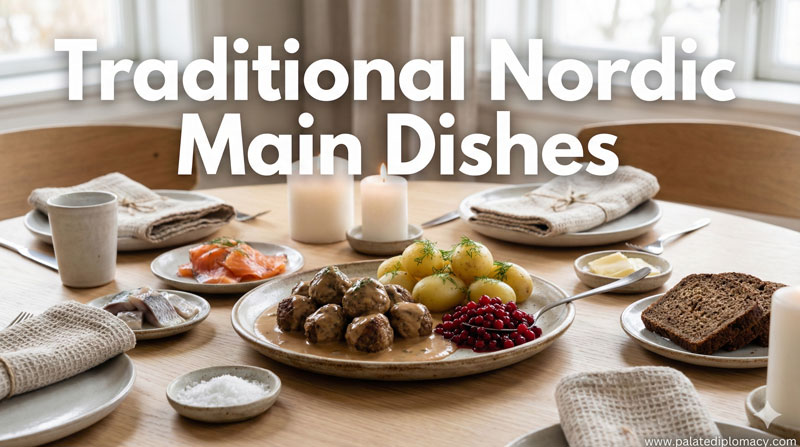
- Swedish köttbullar: Ground meat rolled small, often pan-fried and finished in a creamy sauce, pairing with potatoes and lingonberries.
- Turkish köfte: Shaped by hand and seasoned with cumin, mint, and onion; these often grill or simmer with vegetables in a fragrant broth.
- Greek keftedes: Herbed and sometimes feta-studded, fried to a crisp edge that yields a juicy center.
- Indonesian bakso: Cheese-quiet, deeply satisfying, typically served in a flavorful broth with noodles and greens.
- Spanish albóndigas: Small, savory meatballs cooked in a tomato or almond-based sauce, reflecting regional pantry staples.
- Mexican albóndigas or köttbullar-inspired riffs: Bright herbs and sometimes cornmeal or rice in the mix, paired with tomato sauce or broth.
- Indian kofta: Frequently enriched with spices and sometimes cooked in gravy, offering rich aromas and depth.
Each vignette shows how a single technique can mingle with local ingredients to produce a distinct, memorable dish. Travelers taste not only a flavor but a sense of place—the way a kitchen uses available herbs, fats, and techniques to tell a neighborly story.
Dining as a Dialogue: Eating Together Across Borders
Meatballs invite conversation at the table. A traveler may watch a cook shape the mixture by hand, notice the glow of a pan, and learn how a Local sauce changes the bite. These moments turn a meal into a dialogue about technique, preference, and tradition. Markets, home kitchens, and family tables all echo with similar rituals: tasting, adjusting salt, sharing sauce, and offering seconds. This social beat is a core part of their cultural value. The dish becomes a translator for tastes, textures, and memories, linking strangers through appetite and curiosity.
Pairings and Rituals: A Simple Dish with Rich Context
The beauty of meatballs lies in their adaptability. They pair with bright tomato sauces, creamy dairy accents, herb-flecked broths, or bold spice blends. A crisp salad, steamed rice, potatoes, or noodles often accompanies them, depending on local habits. Beverages—from sparkling water to a light wine or a warm tea—often mirror the meal’s mood: fresh and energetic, or cozy and comforting. Across regions, these pairings reinforce how a single dish can anchor a meal while inviting subtle variations. The result is a ritual of tasting that honors both tradition and personal taste.
Travel Tips: Savoring Meatballs on the Road
For travelers seeking the deepest appreciation, a few simple steps help. Seek small, traditional outlets where cooks emphasize fresh ingredients. Observe how meat is ground, how much fat is used, and how the meatball holds together. Notice whether herbs are bright and intact or mellow and integrated. Try a meatball in its sauce to understand regional sauce-making styles. Ask about local accompaniments to experience a full flavor spectrum. Finally, savor the texture—the balance between tender interior and crisp exterior—and let the aroma guide your first bite.
Closing Thoughts
Meatballs are a modest dish with a grand reach. They embody the beauty of culinary craft and the warmth of shared meals. For travelers, they offer a dependable doorway into another kitchen, another family’s routine, and another day of discovery. In every bite, there is a quiet invitation: explore more kitchens, celebrate local ingredients, and relish the simple joy that comes from food made with care. This is why travelers keep returning to meatballs—because the dish speaks in flavors that are generous, familiar, and endlessly inviting.