
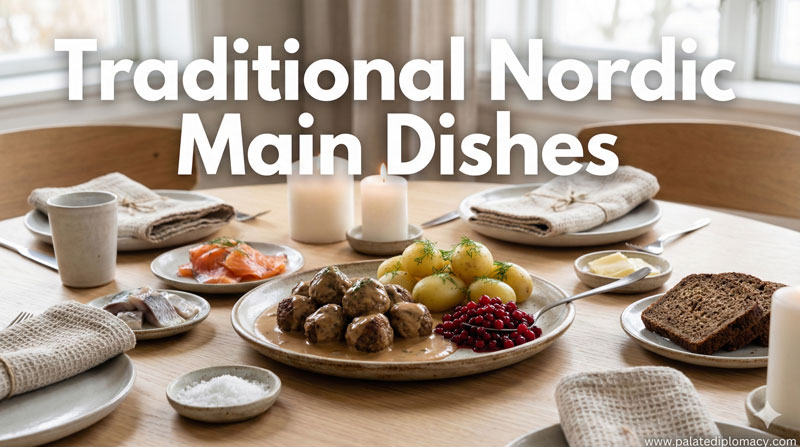
Gravlax is a beloved Nordic dish. It embodies balance, patience, and a respect for simple, fresh ingredients. This post explores its cultural value and culinary significance, inviting you to pause and savor its quiet beauty.
The Allure of Gravlax
Gravlax captures the eye with pale pink flesh and a glaze of herbs. The aroma of dill mingles with the sea breeze of the salmon. The texture feels delicate yet firm, inviting careful, thin slices. This combination makes gravlax a centerpiece on many Nordic tables, where appearance and flavor meet in calm harmony.
The Craft Behind the Cure
The Heart of gravlax lies in a gentle curing process. A simple blend of salt, sugar, and fresh dill coats the salmon. A touch of lemon zest or white pepper can join the mix, but the focus stays on balance. The fillet rests cool for a couple of days, allowing moisture to release and flavors to deepen. When ready, chefs rinse and slice the fish very thinly, highlighting its natural, silky texture. The method is approachable, yet it rewards patience and care.
Cultural Significance in Nordic Dining
Gravlax is more than a dish; it marks moments of gathering and sharing. It often graces the smörgåsbord, a table where many small bites come together to celebrate food and company. Families and friends alike slice the fish by the plate, then pair it with mustard-dill sauce, rye bread, or crispbread. The ritual of serving gravlax helps anchor meals in a sense of place, season, and togetherness.
Regional Nuances and Variations
Different Nordic regions put their own stamp on gravlax. In Sweden, gravad lax is a well-loved classic, with variations that emphasize dill and a light, sweet-salty cure. Norway offers gravlaks with subtle spice notes that mingle with the dill. Across the region, some cooks add pepper, fennel, or citrus to tailor the aroma. Yet the core idea remains the same: a fresh salmon prepared with care, presented to honor the eater.
Serving and Pairings
Gravlax shines when sliced thin and arranged on soft bread or crispbread. A dollop of hovmästarsås, a dill-mustard sauce, complements its gentle saltiness. A squeeze of lemon adds brightness, while a few fennel fronds or extra dill breathe fresh herb notes. Light white wines or sparkling water make a balanced match, allowing the salmon’s sweetness to come through.
Gravlax in Modern Nordic Kitchens
Today, cooks around the Nordic region honor gravlax with both tradition and creativity. Home cooks reproduce the classic cure, while chefs refine the presentation and pairings for contemporary plates. The dish remains accessible, yet it carries a timeless elegance that fits both everyday meals and special occasions.
Gravlax Stands Out for its quiet elegance and thoughtful technique. Its cultural value lies in How It invites people to slow down, savor, and share. Its culinary significance rests in the harmony of simple ingredients, skilled curing, and the deep respect for nature’s bounty that Nordic kitchens celebrate. If you seek a dish that speaks softly yet resonates deeply, gravlax offers a warm, inviting pathway into Nordic food culture.