
Introduction
Köttbullar, or Swedish meatballs, offer a warm invitation into Scandinavian cooking. This dish is more than a plate of small, tender rounds; it is a celebration of craft, balance, and everyday hospitality. The way the meat blends with crumbs, milk, onion, and spice speaks to a kitchen that values patience and small, deliberate steps. When you plate köttbullar with a creamy sauce, mashed potatoes, and a bright dollop of lingonberry jam, you witness a simple meal become a memory. This post explores the cultural value and culinary significance of köttbullar, shining a light on why this dish remains beloved in homes, restaurants, and family gatherings.
What are Köttbullar?
Köttbullar are small, round meatballs made from a blend of ground beef and pork, though regional and family variations exist. The binding portion usually comes from breadcrumbs soaked in milk, which keeps the meat juicy. Finely chopped onion, a whisked egg, and a touch of salt, pepper, and spice (often a whisper of allspice or nutmeg) complete the mix. The meatballs are lightly browned in butter or oil, then finished in a gentle sauce that blends cream or stock with the pan drippings. The result is a tender bite with a subtle crust, balanced by a silky, savory sauce.
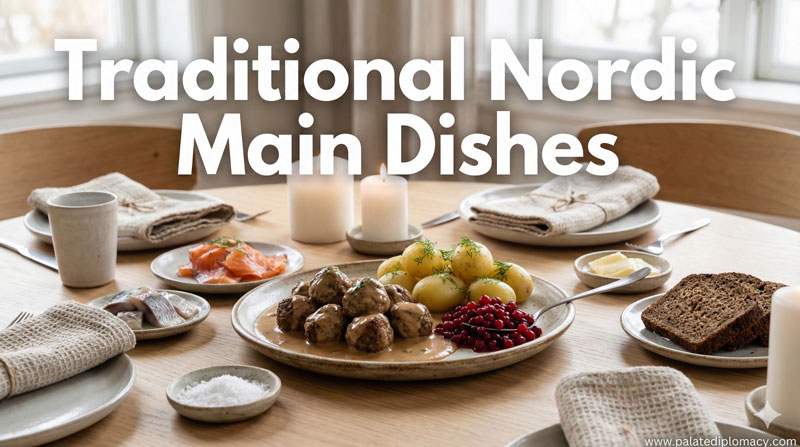
In Sweden, the dish is commonly served with creamy gravy, mashed potatoes, and lingonberry jam. The jam adds a bright, tart counterpoint to the richness of the meat and sauce, creating a harmonious triplet of flavors. The combination is practical in home kitchens and elegant on a dining table, reflecting how Swedish cooks celebrate contrast with care.
The Taste and Texture Experience
Köttbullar deliver a comforting textural journey. The exterior browns for color and a crisp edge, while the interior stays soft and juicy thanks to the milk-soaked breadcrumbs and careful mixing. The sauce—smooth, light, and lightly seasoned—lifts the meat without overpowering it. Lingonberry jam introduces a lively sweetness and acidity that makes the dish feel fresh rather than heavy. This balance is the hallmark of köttbullar: a dish that feels both simple and thoughtful, everyday enough for a family meal and special enough for a dinner with guests.
Cultural Significance and Everyday Hospitality
In Swedish kitchens, köttbullar symbolize warmth, care, and shared moments. They are frequently prepared for family dinners, festive gatherings, and holiday spreads. The dish appears in traditional menus during the julbord, the Christmas buffet, where it sits alongside pickled cucumbers, cured salmon, and other comforting staples. The act of serving köttbullar reflects a culture that values generosity and good company. Families pass down subtle techniques—how finely to dice onion, how long to rest the mixture, How to form even balls—that connect generations through flavor and habit.
Fika culture, a pause for coffee and conversation, often accompanies the enjoyment of köttbullar in homes and cafes. A small plate of meatballs, a cup of coffee, and a chat with friends or relatives can be a soothing ritual that strengthens community bonds. In restaurants, chefs emphasize consistency and balance, letting the dish shine as a steady, welcoming option for travelers and locals alike.
Traditional Serving and Pairings
The classic plate pairs köttbullar with buttered mashed potatoes and a silky cream sauce. The creamy mood of the sauce is essential, as it carries the meat’s moisture without heavy sweetness. Lingonberry jam is a bright, tart counterpoint that elevates the dish and adds color to the plate. A crisp cucumber or pickled vegetable side can offer a refreshing note that cleanses the palate between bites.
Another traditional pairing is a light salad or lightly dressed greens, which adds a fresh contrast to the meal. Some households prefer a richer potato variety or extra gravy on the side, while others favor a leaner version of the meatball for a lighter dinner. The beauty of serving köttbullar lies in its flexibility: it comfortably anchors a casual weeknight meal or a more curated table setting.
Variations and Regional Twists
Köttbullar invite gentle experimentation while preserving core techniques. Some cooks adjust the meat mix, using more pork for tenderness or more beef for a robust bite. Breadcrumbs can be replaced with finely ground crackers or oats in certain homes, and milk can be substituted with cream for extra richness. Spice is a personal signature as well: a hint of allspice, nutmeg, or white pepper appears in many family recipes, with each choice shaping the aroma and flavor profile.
Vegetarian and vegan adaptations have entered many kitchens with equally warm reception. Plant-based “meatballs” use mushrooms, lentils, or soy as a base, blended with breadcrumbs and onions, then cooked and served with the same sauce. These alternatives honor the traditional presentation while offering a plant-forward option that preserves the sense of comfort and care.
Regionally, some cooks tailor the sauce by adding a splash of Dijon or a touch of stock reduction to deepen the flavor. Others maintain a lighter sauce, relying on the meat’s natural juices and a gentle simmer to create a delicate finish. The essence remains the same: small rounds that embody hands-on craft and a love of well-balanced, comforting flavors.
How to Make Köttbullar at Home: A Simple Guide
To bring köttbullar into your kitchen, follow these clear steps. The aim is tenderness, balance, and a sauce that glides over the meat.
- Gather core ingredients: ground beef and/or pork, breadcrumbs, milk, onion, egg, salt, pepper, and optional spices (allspice or nutmeg).
- Soften the breadcrumbs: soak breadcrumbs in milk for a few minutes until they swell. This keeps the meat moist.
- Mix with care: combine the meat, softened breadcrumbs, finely chopped onion, egg, and seasonings. Do not overwork the mixture; just bring it together.
- Shape evenly: form small, compact balls, roughly the size of a walnut. Uniform size ensures even cooking.
- Brown with care: cook the meatballs in a little hot butter or oil until they develop a golden crust on all sides.
- Prepare a gentle sauce: remove the meatballs, then deglaze the pan with a bit of stock. Stir in cream and, if you like, a touch of flour to thicken. Return the meatballs to simmer gently in the sauce.
- Plate with classic sides: serve over creamy mashed potatoes, spoon the sauce over the meatballs, and add lingonberry jam on the side for brightness.
- Finish and share: a light sprinkle of fresh herbs or cracked pepper can finish the dish. Enjoy with family and friends.
If you prefer a quicker version, you can pan-fry the meatballs and skip the long simmer, but a short simmer in sauce helps the flavors marry and keeps the meat tender.
A Link Between Past and Present
Köttbullar connect generations through recognizable flavors and familiar textures. They showcase how a culture can cultivate depth from simple ingredients. The dish’s comfort, its balanced sweetness and savory notes, and its ability to adapt to different households make köttbullar a living part of Sweden’s culinary landscape. The dish travels well in menus around the world, carrying a sense of home to many dining rooms while still preserving its original charm.
Final Thoughts
Köttbullar is more than a recipe. It is a story of careful technique, thoughtful seasoning, and shared meals. It invites cooks to slow down just enough to shape small rounds, to savor the moment of browning, and to welcome guests with a plate that feels familiar and gracious. Whether enjoyed at a family table, a festive gathering, or a quiet evening after a long day, köttbullar offers a culinary bridge between everyday life and cultural heritage. By exploring its flavors, you discover the beauty of Swedish culinary craft and the joy of good food prepared with care.