
Introduction
In Nordic kitchens, meatballs stand as a quiet symbol of everyday beauty. They begin as a humble blend of ingredients, then rise to the center of family meals and shared traditions. The dish feels both familiar and refined, because it begins with simple quality and ends in comforting flavor. This post explores how meatballs became popular in Nordic cuisine, with a focus on cultural value and culinary significance. We will meet the people, the ingredients, and the methods that give Nordic meatballs their unique charm.
Origins and core components
The essence of Nordic meatballs lies in balance. Ground meat forms the base, often a mix of beef and pork to achieve richness. Breadcrumbs soaked in milk add tenderness, while an egg helps bind the mixture. Finely chopped onion contributes sweetness and depth. A pinch of salt and white pepper brings brightness, and some cooks add a whisper of spice such as nutmeg or allspice for a gentle warmth. The shaping is small and precise, and the cooking path is deliberate: a quick browning on the stove, followed by gentle simmering in a light sauce or broth. This sequence yields a soft interior and a delicate crust.
From kitchen to table, the recipe favors locally available ingredients. Dairy products, fresh onions, and eggs are common pantry staples in Nordic homes. Bread moistened with milk is a traditional trick that keeps the meat moist. The result is a versatile base that can shine in different settings—from everyday dinners to festive meals.
Techniques that tenderize and enrich
Good meatballs rely on technique as much as on ingredients. Gentle handling matters; mix just enough to bring the components together, then rest the mixture briefly to relax the proteins. This helps keep the texture tender rather than firm. The first heat treatment—browning in a skillet—creates a flavorful crust and seals in juices. Then a brief simmer in a creamy sauce or light broth blends flavors and softens the meat further.
The sauce plays a crucial supporting role. Cream, butter, and stock create a smooth, pale gravy that coats the meatballs softly. In some regions, a tomato-based element may appear, but the classic Nordic path favors a mild, dairy-forward finish. The sauce is often seasoned with gentle herbs and a touch of pepper, allowing the meat’s natural flavors to shine.
Regional voices: Sweden, Norway, Denmark, Finland
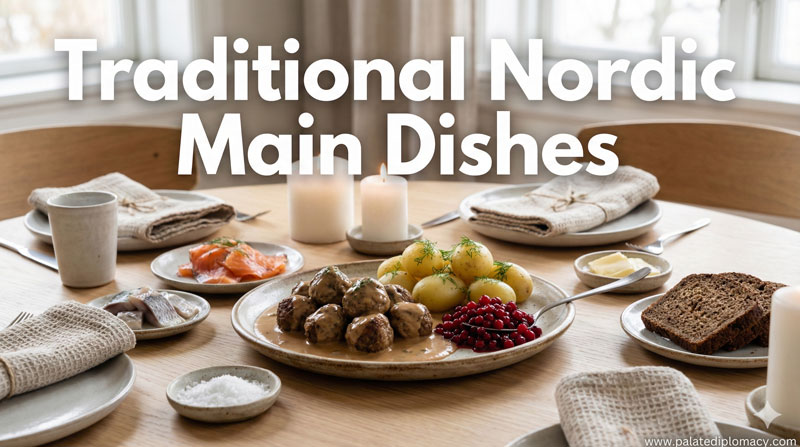
Nordic meatballs take on subtle regional personalities. In Sweden, köttbullar are iconic. They are typically small, tender, and lightly seasoned, then served with a creamy gravy, boiled potatoes, and lingonberry jam. The sweet-tart jam provides a bright counterpoint to the savory meat and rich sauce, creating a balanced plate.
In Denmark, frikadeller are a beloved staple. They are often slightly larger and can be pan-fried to a crisp edge. The pairing tends to be potatoes, cabbage, and a simple brown gravy or a light sauce. The Danish approach emphasizes straightforward savoriness and a comforting, homey feel.
Norwegian kjøttkaker share kinship with their Swedish cousins. They usually feature a hearty texture and are paired with potatoes, gravy, and sometimes lingonberries. The Norwegian version often highlights a wholesome, rustic character that echoes traditional farm cooking.
Finnish lihapullat resemble their Nordic neighbors in technique and texture. Ground meat is blended with breadcrumbs and milk, shaped carefully, and cooked until tender. They find harmony with mashed potatoes, a mild gravy, and lingonberry preserves, reflecting Finland’s fondness for bright counterpoints in a comforting plate.
Across these voices, a shared theme emerges: meatballs are a flexible canvas. They adapt to local tastes while keeping a common core of tenderness, warmth, and balance.
Serving traditions and flavor pairings
The serving tray for Nordic meatballs invites conversation. Potatoes—boiled, smashed, or mashed—are a dependable partner, providing a creamy counterweight to the savory meat. A light gravy or cream sauce binds the dish, weaving the flavors together. Lingonberry jam is a frequent companion, its tart sweetness brightening the plate and offering a refreshing note amid richness.
Herbs and spices remain modest, allowing the meat and dairy flavors to lead. A side of pickles or lightly sautéed cabbage adds texture and tang. The presentation is unadorned but thoughtful, inviting guests to slow down and savor the moment. This is comfort food designed for sharing, not speed.
Festive moments and seasonal roots
Meatballs appear in both everyday meals and special occasions. In Sweden, they are part of the julbord, a Christmas spread that celebrates abundance and seasonal flavors. In Finland and Norway, they appear at family gatherings, Sunday dinners, and market stalls, connecting cooks with longer culinary lines. The dish travels through seasons, yet it feels particularly comforting during colder months when creamy sauces and warm potatoes offer a soothing contrast to the outside weather.
This seasonal resonance matters. It shows how Nordic cuisine respects the year’s cycles and uses simple ingredients to create a sense of continuity. Meatballs become a quiet ritual that families share, across kitchens and generations.
Modern takes and respectful evolution
Today, cooks explore variations while preserving the core balance that defines Nordic meatballs. Some kitchens experiment with leaner meats or plant-based blends to offer lighter or vegetarian options, yet maintain the textures and the spirit of the dish. Others keep the traditional ground meat and dairy approach but refine the sauce with subtle, modern tweaks. Across these adaptations, the dish remains anchored in its role as a comforting, connective food.
What endures is the focus on quality ingredients and careful technique. The meatballs invite experimentation while honoring a set of dependable steps: moistening the binder, gentle mixing, careful shaping, crisp browning, and a tender finish in sauce. This balance—between innovation and tradition—defines the contemporary Nordic approach.
The cultural value and culinary significance
The cultural value of Nordic meatballs rests in their universality and their craft. They are a testament to how a simple idea can travel across homes and regions yet retain a strong sense of place. Each bite speaks to the Nordic pantry: modest staples, seasonal awareness, and a respect for the land’s produce. The dish fosters connection—between cooks and families, between generations, and between communities that share a common kitchen language.
Culinarily, meatballs illustrate a philosophy of taste that prizes restraint and refinement. The technique rewards patience and care. The result is a versatile centerpiece that can shine in a casual supper or be elevated for a more formal table. It demonstrates how Nordic cuisine values balance: tender meat, creamy sauce, and a touch of brightness from lingonberries or pickles. The meatball thus earns its status not as mere sustenance, but as a symbol of daily nourishment done well.
A closer look at the experience of eating
Eating Nordic meatballs invites a multisensory experience. The first impression comes from the aroma of browned meat and simmering sauce. The texture offers a gentle chew and a soft interior that yields to the bite. The sauce coats the meat with a creamy silkiness that lingers on the tongue. The fruitiness of lingonberries provides a lively contrast that cleanses the palate. This harmony between texture, aroma, and flavor makes the dish memorable, yet accessible to cooks at any skill level.
This experience also reflects cultural care. The recipe travels through the hands of home cooks, mentors, and family elders who pass down tips and tweaks. The act of preparing meatballs becomes a small ceremony of sharing and learning, one that reinforces community and belonging.
Conclusion
Meatballs in Nordic cuisine embody culinary simplicity, warmth, and regional variety. They celebrate the beauty of thoughtful preparation and the joy of sharing a meal. Through their gentle textures, balanced flavors, and comforting sauces, Nordic meatballs honor a long-standing kitchen craft. They connect people to seasons, to farms, and to family stories. In this way, the dish remains a beloved beacon of Nordic Food Culture—delightful, respectful, and enduring.