
Introduction
Köttbullar, or Swedish meatballs, offer a flavorful window into Nordic Food Culture. The dish celebrates everyday cooking that feels thoughtful and refined at the same time. It invites us to slow down, savor simple ingredients, and notice how a small bite carries memory, craft, and place. This post explores the cultural value and culinary significance of köttbullar without venturing into politics or far-flung histories. Instead, we focus on How Families, cooks, and communities shape and cherish this classic.
The Craft Behind Köttbullar
The beauty of köttbullar begins in the process. Ground meat is blended with soaked breadcrumbs, milk, minced onion, and a light touch of egg for binding. The mixture rests briefly, then firms into tiny spheres. Each bite reveals balance: crisp edges from a quick pan sear, tender crumb inside, and a gentle glaze from a creamy gravy. This craft rewards attention to proportion and timing. The method itself feels like a quiet conversation between cook and ingredients, where patience yields comfort on the plate.
A Plate That Speaks: Ingredients and Technique
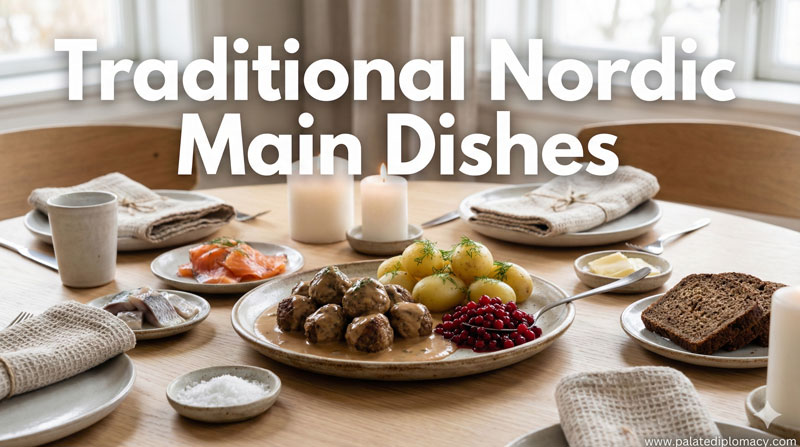
Local, wholesome ingredients tell The Story of Nordic cooking. A blend of pork and beef provides richness, while breadcrumbs and milk deliver moisture. Onion brings sweetness and depth; pepper and salt tune the flavor. The gravy, often finished with cream or stock, offers a softer, cohesive sauce that clings to the meat. On the plate, creamy sauce meets pale-brown meatballs, bright lingonberry jam, and a side of potatoes or mashed potatoes. The contrast of tangy fruit with savory meat elevates the dish without overpowering it. In this way, köttbullar teaches balance and restraint—values that recur in Nordic kitchen practice.
The Plate’s Place in Nordic Meals
Köttbullar circulates through daily meals and special occasions alike. It appears on family dinner tables after a long day, offering warmth and familiarity. It also features in festive spreads where generous plates signal hospitality. Across Nordic homes, cooks learn to respect the dish’s simplicity: everything serves the whole. Potatoes or mash provide a soft counterpoint to the meat, while lingonberry jam adds a bright, tart note. This combination becomes a signature rhythm, a reliable way to bring comfort to the table year after year.
Regional Variations Across Nordic Lands
In Sweden, meatballs often appear small and delicate, with a creamy gravy that ties the plate together. In Finland, cooks may lean into richer dairy sauces and sometimes thicker gravies, reflecting local pantry staples. Norway can showcase a lighter touch, emphasizing fresh herbs or a touch of cream. Across Denmark and Iceland, cooks adapt textures and accompaniments while preserving the core idea: small, flavorful meat spheres shared among friends and family. Lingonberries are a common thread, while potatoes—boiled, mashed, or roasted—anchor the meal. These variations celebrate regional palate preferences while keeping the dish recognizably Nordic.
The Social Rhythm of Köttbullar
Mealtimes become moments of connection when köttbullar is on the table. Families gather to cook together, swapping tips and small stories as meatballs fry. The dish invites a relaxed, inclusive vibe; everyone can contribute, from grinding and seasoning to tasting and adjusting the gravy. This collaborative spirit mirrors Nordic values of care, cooperation, and mutual enjoyment around food. In shared meals, köttbullar becomes more than sustenance; it becomes a ritual of togetherness that strengthens everyday bonds.
Seasonal and Festive Roles
Seasonal tables showcase köttbullar in a gentle, enduring way. In winter and late autumn, warm meatballs help make rooms feel cozy and inviting. During Christmas and midsummer celebrations, the dish appears alongside traditional spreads, reinforcing a sense of continuity and heritage. These moments highlight how a simple dish can travel through seasons, offering comfort and familiarity as the calendar turns. The dish’s adaptability—serving with potatoes, noodles, or fresh vegetables—also demonstrates how Nordic cooks honor their seasons without complicating the flavors.
Sustainability and Everyday Wisdom
Köttbullar embodies practical, sustainable cooking. Cooks often use local pork or beef, eggs from nearby farms, and dairy from regional dairies. Breadcrumbs from day-old bread capture the idea of resourceful cooking, minimizing waste. The accompanying sauces rely on pantry staples—cream, stock, and herbs—creating layers of flavor with modest ingredients. This approach reflects a broader Nordic emphasis on using what’s available with care and respect. The dish becomes a lesson in mindful cooking: simple inputs, attentive technique, and thoughtful plate composition yield a satisfying result.
Tasting the Cultural Spirit
Eating köttbullar is an experience that resonates beyond taste. The meal invites gentle conversations about the day, shared laughter, and a sense of place. The combination of savory meat, soft potatoes, and tart lingonberry creates a comforting harmony that feels familiar yet fresh each time. The dish embodies a philosophy of balance: simple components joined with skill and care to create something greater than the sum of its parts. In this way, köttbullar serves as a culinary ambassador for Nordic cuisine, inviting eaters to explore a regional approach to flavor, texture, and nourishment.
Conclusion: A Gentle Reflection
Köttbullar reflects Nordic food culture through its modest origins and careful execution. It celebrates everyday cooking that honors the ingredients, the cook, and the company at the table. The dish’s enduring appeal lies in its balance, warmth, and ability to adapt while staying true to its core. As a staple that travels comfortably from family kitchens to festive gatherings, köttbullar offers a quiet yet powerful portrait of Nordic culinary values: simplicity executed with care, textures that comfort, and flavors that invite shared enjoyment. In this light, the dish stands as a quiet testament to the beauty of Nordic home cooking and its place in the broader tapestry of regional cuisine.