
Why Travelers Are Falling in Love with Meatballs
Meatballs welcome the senses. They offer warmth, texture, and aroma. Travelers meet them in markets, home kitchens, and cozy bistros. The dish travels well in memory. Its appeal rests on variety and shared meals. Across cultures, meatballs become a guide to place, people, and tradition. Each bite tells a story of herbs, meat, and a sauce that hums with regional life.
A Dish That Brings People Together
Meatballs invite sharing. A plate becomes a table, a moment of conversation, a pause for appreciation. In family kitchens, mothers and grandmothers shape the meat with care. In street stalls, cooks shape small rounds quickly, then pass them with a sauce. Travelers learn to order a plate to taste different versions. The act of sharing creates memory. The same dish feels both intimate and communal, a bridge between generations and neighborhoods.
Craft and Culinary Significance
The core begins with simple ingredients: ground meat, a binder, herbs, and a touch of fat. The binder holds the center together; the fat keeps the bite juicy. Techniques matter: pan-frying for a crust, simmering for tenderness, or baking for even color. Aromas rise from garlic, pepper, parsley, cumin, nutmeg, coriander, and mint. The sauce defines character: tomato-based, yogurt-driven, or clear broth. This balance of texture and flavor shows the skill of the cook. Meatballs adapt to available ingredients and seasonal produce. They teach restraint, proportion, and invention. They also demonstrate how a small shape can carry big flavors across a kitchen and a table.
Global Variations that Shine
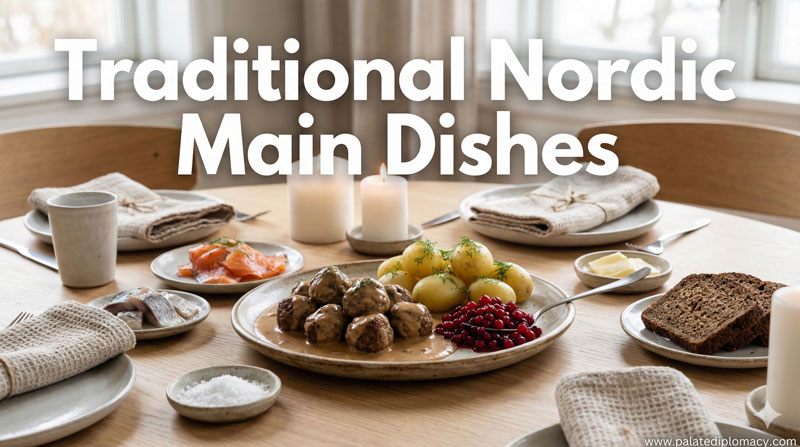
Italian polpette, Swedish köttbullar, Turkish köfte, Greek keftedes, Indian kofta, Indonesian bakso, Filipino bola-bola. Each version reflects local flavors and techniques. In one region, breadcrumbs lighten the center; in another, rice or chickpeas add body. Some use hints of citrus or fresh herbs; others lean toward warm spices. Many versions pair with a bright tomato sauce, a creamy yogurt sauce, or a savory broth. Travelers notice common threads—care in shaping, balance of texture, and a comforting aroma—woven through diverse traditions. The result is a rich map of taste that highlights how a simple form adapts beautifully to place.
The Sizzle, Aroma, and Memory
Cooking meatballs releases a signature scent. A crust forms as the surface browns, then a gentle simmer lets the center stay tender. The aroma travels through kitchens, markets, and streets, inviting curiosity. A bite offers contrast: a crisp outer edge and a tender interior. The taste can be savory, bright, or slightly sweet, depending on regional spices. This sensory journey connects travelers to the Heart of a culture’s cooking. It honors seasonality and local produce, celebrating what is available and what is loved.
A Gentle Invitation to Explore
Join the journey by exploring a few meatball plates when you travel or cook at Home. Start simple: ground meat, a light binder, fresh herbs, and a modest sauce. Taste and adjust with care. Visit markets to discover regional herbs and spices that define each version. Share plates with friends, family, or fellow travelers. Meatballs offer a welcoming doorway into a culture’s kitchen and a way to honor place, flavor, and craft. They remind us that food can celebrate diversity while creating a common, comforting delight.
If you would like, I can tailor a short, regional tasting guide or a simple, adaptable meatball recipe that highlights a specific culture’s approach while keeping the focus on cultural value and culinary significance.