
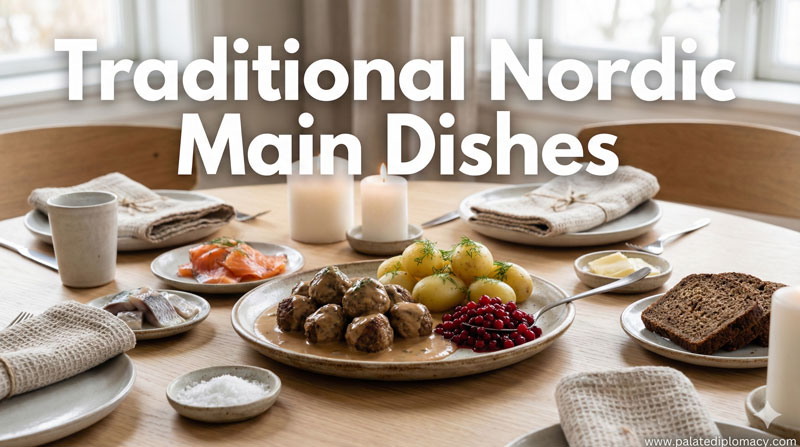
A Warm Welcome to Nordic Meatballs
Meatballs hold a special place in Nordic kitchens. They are simple to prepare, yet they carry a rich sense of home, warmth, and shared meals. This dish invites both everyday cooking and festive table settings. It speaks of family rhythm, seasonal ingredients, and the careful balance of texture and flavor that Nordic cooks cherish. In every bite, you can feel the care that goes into mixing, shaping, and cooking. The result is comforting, approachable, and deeply cultural.
The Craft Behind Each Ball
The core of Nordic meatballs lies in balance. Cooks often blend ground beef and pork for both flavor and moisture. A small amount of veal may appear in some regional versions. Breadcrumbs soaked in milk keep the meat tender, while a beaten egg helps bind the mixture. Finely chopped onion adds sweetness and aroma. Seasonings vary, with common notes like salt, pepper, and a hint of spice such as allspice or nutmeg. The mix rests briefly, then—gently—hands shape it into small spheres. They are browned to a golden crust and then finished in a creamy sauce or light broth. The technique honors patience: a soft center, a crisp exterior, and a sauce that harmonizes without overpowering. The result is a precise, familiar texture you recognize from home kitchens across the region.
A Dish for Home and Hearth
Meatballs are the everyday crown of Nordic cooking. They appear on family tables, school lunches, and celebrations alike. The dish embodies hospitality: a bowl offered to a guest, a shared plate passed around the table. It is approachable for cooks of all levels and adaptable to many occasions. In homes across Denmark, Finland, Norway, and Sweden, meatballs anchor a sense of continuity. The practice of preparing them reinforces family memory—recipes whispered from one generation to the next, tweaks noted on a worn card, and the sense that cooking is an act of care. This universality is part of the dish’s charm and enduring appeal.
Lingonberries, Cream, and the Sauce
A defining feature of Nordic meatballs is their pairing with a bright, creamy companion. Lingonberry sauce or jam adds a tart note that cuts the richness of the meat. Creamy gravy, built from the pan drippings and a touch of stock, smooths the flavors and invites a second helping. Sides like buttery mashed potatoes or soft boiled potatoes, along with cucumber pickles or gently sautéed mushrooms, complete the plate. The sauce and sides work in harmony: smooth, tangy, and comforting all at once. These elements showcase a culinary principle shared across the north—balance. The result is a plate that feels generous and satisfying, yet light enough to enjoy with ease.
Regional Voices: Nordic Variations
While the core idea remains the same, regional touchstones color each version. Swedish köttbullar often feature a touch of allspice or white pepper and a velvety cream sauce that many readers associate with the classic dish. Danish frikadeller tend to be a bit lighter and can incorporate fresh herbs like parsley, sometimes with a touch of thyme or lemon for brightness. Finnish lihapullat lean toward pork with a softly spiced profile and a creamy accompaniment. Norwegian kjøttboller share the same heart but may lean toward a richer, dairy-forward sauce and different herb notes. Across these cousins, the technique—gentle shaping, even browning, and a gentle simmer in sauce—binds the family of dishes together. The result is a shared Nordic culinary language, spoken in kitchens from city apartments to rural farms.
The Table as a Center of Community
At the table, meatballs become more than a meal; they are a moment of connection. Parents teach children How to measure, mix, and taste, turning cooking into a valued family activity. The dish also travels through communities: friends share a pot, neighbors trade tips, and cooks compare small variances in spice or sauce. The social fabric around meatballs centers on generosity—an invitation to sit down, breathe, and enjoy good food together. This communal aspect is a cornerstone of Nordic Food Culture, where the meal is a thoughtful gift of time, warmth, and shared pleasure.
Modern Reflections and Culinary Creativity
Today, Nordic kitchens honor tradition while welcoming new ideas. Chefs experiment with leaner meats, alternative proteins, and seasonal produce to preserve the dish’s essence. Some cooks adjust spice blends, using fresh herbs or a hint of citrus for brightness. Others create vegetarian or vegan versions that rely on mushrooms, lentils, or other plant-based proteins, always aiming to preserve texture and the sense of comfort that defines the dish. Yet the heart remains the same: small balls, a tender bite, and a sauce that ties the plate together. These modern interpretations keep the dish lively in contemporary menus while preserving its cultural value.
A Timeless Fit for Every Table
Meatballs stand out because they are both rooted and adaptable. They honor tradition with familiar aromas and textures, yet they invite experimentation in a thoughtful way. This balance makes them a reliable favorite for cooks and diners alike. The dish’s cultural value comes from its ability to connect generations, seasons, and regions through a shared flavor profile and a common method. When you plate meatballs in a creamy sauce with a touch of lingonberry, you are not just serving a meal—you are inviting a moment of Nordic hospitality to the table.
Final Thoughts: Why They Remain Loved
The enduring appeal of Nordic meatballs lies in their simplicity, warmth, and versatility. They celebrate everyday cooking while still feeling celebratory on special occasions. The dish teaches care in technique, respect for regional differences, and joy in shared meals. In every kitchen, meatballs tell a story of hospitality, family, and a deep love of good food. That is why they remain one of the Most Loved dishes in Nordic food culture: tasty, approachable, and endlessly comforting.