
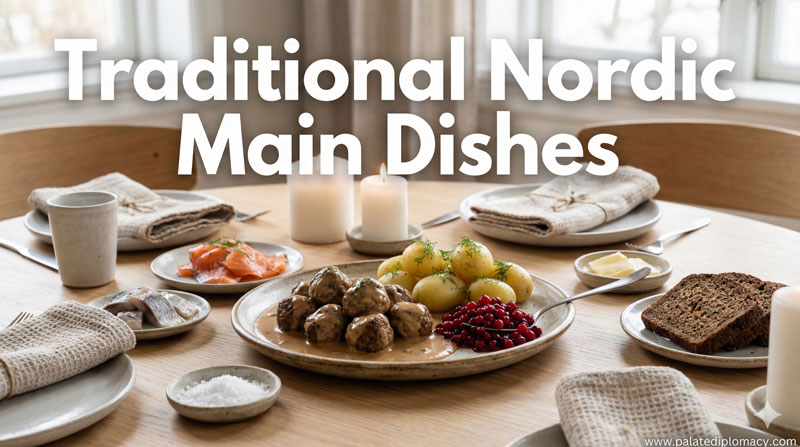
Discover the Clean Flavors of Meatballs
In kitchens near and far, meatballs arrive at the table with a quiet confidence. They help us celebrate simple ingredients—ground meat, bright herbs, a touch of fat—brought together in a neat, round form. The result is a dish that speaks of care, technique, and shared meals. This post explores the cultural value and culinary significance of meatballs, focusing on the clarity of their flavor, the craft behind them, and their place in food traditions.
The Language of Clean Flavor
Clean flavors come from balance. A well-made meatball preserves the character of the meat while letting herbs, lemon zest, garlic, or onion brighten the palate. The texture matters too: a tender interior with a crisp edge signals skill in handling and heat. When cooks aim for restraint, the meat’s own sweetness and umami can shine through, unmasked by heavy sauces or overpowering spices. The result is a dish that feels fresh on the tongue and honest in the kitchen.
Culinary Footprint Across Regions
Meatballs appear in many kitchens, each with its own signature touch. In one tradition, breadcrumbs and egg bind the meat, producing a compact, juicy bite that braises gently in tomato sauce. In another, a lighter binder and a spiced mix yield a meatball that pairs with yogurt or citrus. Some colors and textures come from regional ingredients—pinenuts, herbs, citrus zest, or a dash of pepper. Across continents, cooks have made meatballs a versatile canvas for seasonal produce, local meat, and family preference. The pattern is familiar: grind the meat, bind with careful moisture, season with everyday aromatics, shape with calm hands, and cook with intention.
Crafting the Meatball: Techniques that Elevate Flavor
The craft begins with quality ingredients. A blend of lean and slightly fatty meat offers structure and succulence. Soaking breadcrumbs in a little milk or broth can hydrate the mixture, helping it stay tender during cooking. Fresh parsley, garlic, and a hint of lemon zest brighten the profile without hiding the meat’s voice. Light handling matters; overworking the mixture can create a dense, dense texture that masks the clean flavors. Shape the balls evenly, aiming for a uniform size that cooks through in the same time. For cooking, many cooks favor a quick sear in a hot pan to set the exterior, then gentle simmer in sauce or a gentle bake to finish. The key is patience and even heat.
Serving It Right: Pairings and Presentations
Meatballs are a flexible centerpiece. They pair beautifully with tomato sauces that lift the meat without overpowering it. A bright yogurt-based sauce, with cucumber and mint, offers a fresh contrast. Pan juices can be spooned over pasta, polenta, or crusty bread, letting the sauce mingle with the meat’s clean flavor. Garnishes like lemon zest, chopped parsley, or a drizzle of olive oil accent the dish’s brightness. In serving, the goal is to honor the meat’s natural character while inviting a chorus of complementary textures and colors.
Cultural Value: Family, Craft, and Everyday Joy
Meatballs carry a gentle cultural energy. They appear at family tables, market stalls, and casual gatherings where friends share stories and good food. The dish invites participation: youngsters learn to shape them, home cooks experiment with herbs, and guests enjoy the comforting ritual of a warm plate passed around. The elegance of meatballs lies in their adaptability, their ability to fit into a simple weeknight meal or a more ceremonial table setting, always with the same underlying principle: respect for ingredients and care in preparation.
Practical Tips for Home Cooks
- Choose a meat blend that offers flavor and moisture, such as a mix with a touch of pork or a dash of veal.
- Soak breadcrumbs in a small amount of liquid to keep the inside light.
- Use fresh herbs and a hint of citrus to keep the flavor clean and bright.
- Rest the mixture briefly after shaping to help the flavors settle.
- Sear the meatballs first, then finish them gently in sauce or in the oven to preserve tenderness.
- Keep portions uniform so every bite experiences the same balance.
A Small But Rich Dish
Ultimately, meatballs are more than a simple bite. They are a testament to kitchen craft, regional cooking traditions, and the joy of sharing a meal. The clean flavors, the careful technique, and the inviting aroma make meatballs a beloved bridge between home cooking and cultural appreciation. They remind us that good food can be straightforward, elegant, and deeply meaningful at the same time.