
How Reindeer Stew Reflects Nordic Food Culture
Reindeer stew is more than a meal. It is a quiet conversation between land, season, and people. The dish welcomes you with aroma, warmth, and a sense of place. It shows how Nordic cooks honor nature and craft nourishment with care.
A Window into Nordic Winters
Nordic winters shape the cooking table. Long nights and cold air call for steady, comforting food. Reindeer stew delivers both stamina and soul. Slow cooking loosens tough meat and draws out forest flavors. The kitchen becomes a warm harbor after a day outdoors. This is how the culture honors endurance and togetherness in winter.
Core Ingredients and Their Meaning
Reindeer meat stands at the center. It carries the story of the land and the herds that roam it. Root vegetables anchor the dish with earthy sweetness. Onions and mushrooms add depth and texture. Juniper berries or a touch of bay leaf bring forest brightness. Cream or sour cream adds smooth richness while keeping the flavor gentle. A simple stock, salt, and pepper finish the pot. Side breads, like rye, and tart lingonberry sauce often accompany the stew. Each ingredient speaks to resourcefulness, seasonality, and respect for what the soil and forests offer.
Techniques That Shape the Texture
The texture comes from a gentle, patient braise. First, the meat is browned to seal flavor. Then it is simmered with aromatics and stock. As hours pass, connective tissue melts and the broth thickens naturally. The result is tender meat, velvety sauce, and vegetables that retain character. A light touch of cream at the end softens the dish without masking the forest notes. The technique centers on balance: rich yet bright, rustic yet refined.
Regional Voices Across the North
Across Norway, Sweden, Finland, and northern regions, cooks adapt the stew to local tastes. Some favor a creamier finish; others lean toward clearer broth with a sharper aroma from juniper. Lingonberries or cloudberries may brighten the sauce when berries are in season. Mushrooms join foraged notes in many kitchens. These variations keep a shared idea alive: a hearty dish that travels well and feels at Home at many tables.
Food, Family, and Seasonal Rituals
Reindeer stew often appears at family meals and seasonal gatherings. The act of simmering becomes a ritual that invites patience and care. Families share stories as the aroma fills the house. Pots on the stove become a signal of hospitality. The dish welcomes guests and marks the passage of time—from harvest to hearth, from work to rest.
Sustainability, Seasonality, and Respect for Nature
The stew reflects a respect for place and season. Local ingredients reduce waste and support responsible farming and herding practices. The slow method uses every little bit of flavor, honoring the animal and the land. This approach mirrors Nordic values of balance, practicality, and gratitude for nature’s cycles.
Pairings and Place Settings
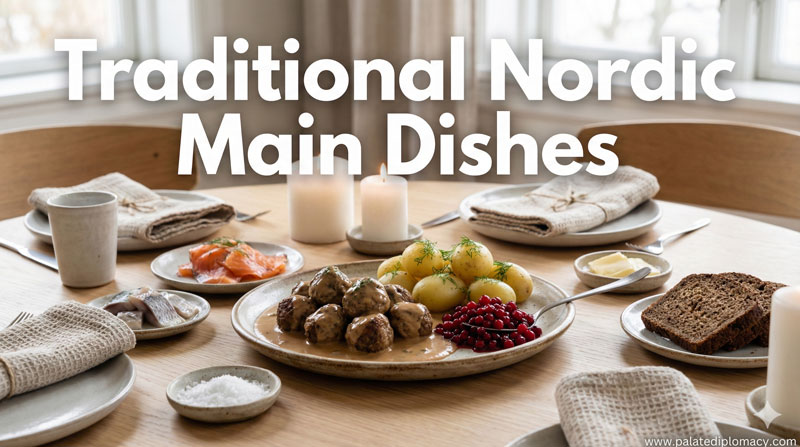
A serving of reindeer stew works beautifully with simple accompaniments. Rye bread or boiled potatoes, a dollop of sour cream, and a spoon of lingonberry relish bring balance. A light beer or a berry-colored juice can pair nicely, never overwhelming the dish’s quiet depth. Placing the bowls, ladles, and bread in a neat, welcoming setting reinforces the feeling of warmth and hospitality.
Keeping Nordic Traditions Alive
Reindeer stew is a bridge between generations. It carries lessons of patience, seasonal awareness, and shared meals. The dish remains inviting and inclusive, inviting new cooks to explore Nordic flavors while honoring timeless methods. In this way, the stew celebrates the beauty of Nordic Food Culture—humble, flavorful, and endlessly generous.